
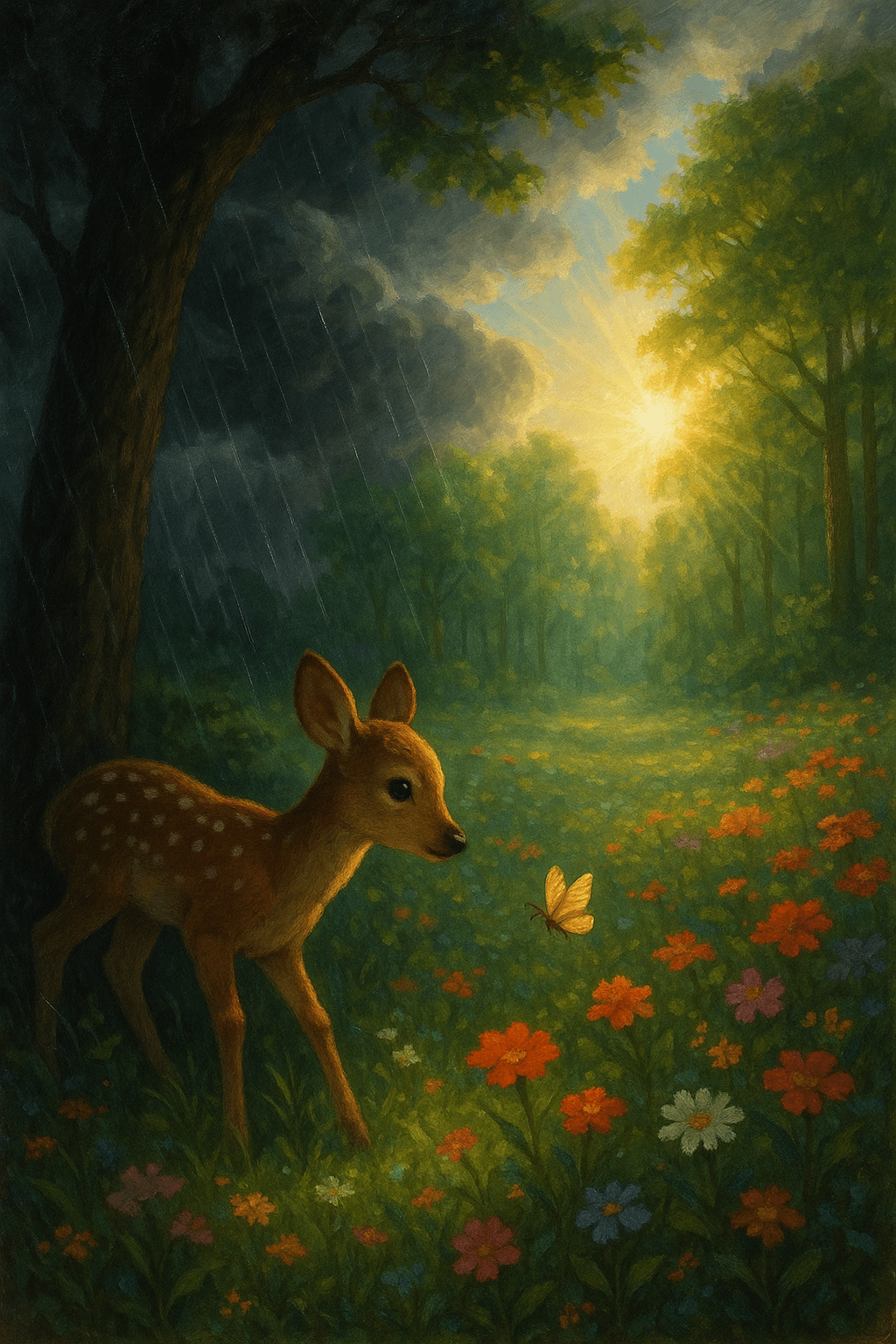
Transformation happens when fear gives way to curiosity. — Malala Yousafzai
—What lingers after this line?
The Nature of Fear and Its Limits
Malala Yousafzai’s insight begins with an exploration of fear—an emotion that often acts as a barrier to growth and change. Throughout history, fear has protected individuals from danger, but it can just as easily hinder progress by keeping people trapped in their comfort zones. For example, in *Man’s Search for Meaning* (1946), Viktor Frankl describes how overwhelming fear in concentration camps could paralyze the human spirit, highlighting how stasis often prevails when fear reigns supreme.
Curiosity as a Catalyst for Change
Yet, as Malala suggests, the antidote to fear is curiosity. When we allow ourselves to wonder ‘what if?’ rather than dwell on ‘what might go wrong,’ possibilities open up. This transition from trepidation to inquisitiveness launches transformation. For instance, Galileo’s scientific curiosity challenged prevailing dogmas of his time, despite societal threats, leading to revolutionary discoveries that shaped the modern world.
Malala’s Journey: Personalizing the Transformation
Malala’s own story powerfully illustrates this principle. Facing societal and physical dangers, she moved beyond fear by cultivating curiosity about a world where girls have access to education. Her willingness to ask questions and seek answers fostered a movement far greater than herself. The moment she replaced her fear of retaliation with questions about justice and equality, she began transforming not just her own life but the futures of countless others.
The Role of Education in Replacing Fear with Inquiry
Education often acts as the bridge between fear and curiosity. Plato’s *Allegory of the Cave* (Republic, c. 375 BC) highlights how enlightenment emerges when individuals dare to question the shadows before them. Schools and mentors that encourage exploration rather than rote memorization create spaces where students learn to replace their anxieties with a desire to understand and engage, creating fertile ground for transformation.
A Call for Collective Courage
Ultimately, transformation on both an individual and societal level depends on a shared commitment to curiosity over fear. Social progress—from civil rights movements to technological revolutions—arises when communities collectively dare to ask: ‘What else is possible?’ By encouraging one another to move beyond apprehension and toward exploration, we plant the seeds for lasting, meaningful change. In echoing Malala’s words, we are reminded that true transformation is less about overcoming fear entirely and more about letting wonder and inquiry light the way forward.
One-minute reflection
Why might this line matter today, not tomorrow?
Related Quotes
6 selectedLet your questions be louder than your fears. — Malala Yousafzai
Malala Yousafzai
Malala Yousafzai’s line hinges on a simple but powerful metaphor: fears and questions both speak inside us, yet we can choose which one gets the microphone. Rather than pretending fear doesn’t exist, she implies it will...
Read full interpretation →The old skin has to be shed before the new one can come. — Joseph Campbell
Joseph Campbell
Joseph Campbell’s image of old skin being shed before new skin can appear turns personal growth into something vivid and bodily. At its core, the quote suggests that renewal is not simply about adding better habits or br...
Read full interpretation →Don't be intimidated by what you don't know. That can be your greatest strength. — Sara Blakely
Sara Blakely
At first glance, Sara Blakely’s quote sounds like a simple encouragement, yet it points to a deeper truth: ignorance is not always a weakness. When people are not trapped by assumptions about how things are “supposed” to...
Read full interpretation →Be a loner. That gives you time to wonder, to search for the truth. Have holy curiosity. Make your life worth living. — Albert Einstein
Albert Einstein
At first glance, Einstein’s advice to “be a loner” may sound like a rejection of society, yet his deeper point is about protecting the inner space where thought can mature. Solitude gives a person room to hear their own...
Read full interpretation →If seeds in the black earth can turn into such beautiful roses, what might not the heart of man become in its long journey toward the stars? — G.K. Chesterton
G. K. Chesterton
Chesterton begins with a striking contrast: black earth, dark and ordinary, somehow gives rise to roses of astonishing beauty. From that image, he invites us to see human nature in the same light.
Read full interpretation →Sometimes, you have to find new angles on life to keep you interested. — John Travolta
John Travolta
John Travolta’s remark begins with a simple but revealing truth: interest in life is not always automatic; sometimes it must be actively rekindled. By suggesting that we ‘find new angles,’ he implies that boredom often c...
Read full interpretation →More From Author
More from Malala Yousafzai →Stand firm in tenderness; strength without compassion narrows the soul. — Malala Yousafzai
Malala Yousafzai’s line reframes tenderness not as softness, but as a disciplined stance—something you “stand firm” in. In other words, compassion is not a mood that comes and goes; it is a choice that can hold steady un...
Read full interpretation →Let your questions be louder than your fears. — Malala Yousafzai
Malala Yousafzai’s line hinges on a simple but powerful metaphor: fears and questions both speak inside us, yet we can choose which one gets the microphone. Rather than pretending fear doesn’t exist, she implies it will...
Read full interpretation →Let your voice be the river that nourishes the valleys of doubt — Malala Yousafzai
Malala Yousafzai’s line turns “voice” into something living and vital: a river that continuously moves, carries, and gives. Rather than portraying speech as a single act—one speech, one post, one declaration—she frames i...
Read full interpretation →Stand where your heart points, even if the road is less traveled. — Malala Yousafzai
Malala Yousafzai’s line treats the heart not as a fickle impulse but as a moral compass—an inner pointer toward what feels true and necessary. To “stand” where it points suggests steadiness: not merely choosing once, but...
Read full interpretation →