
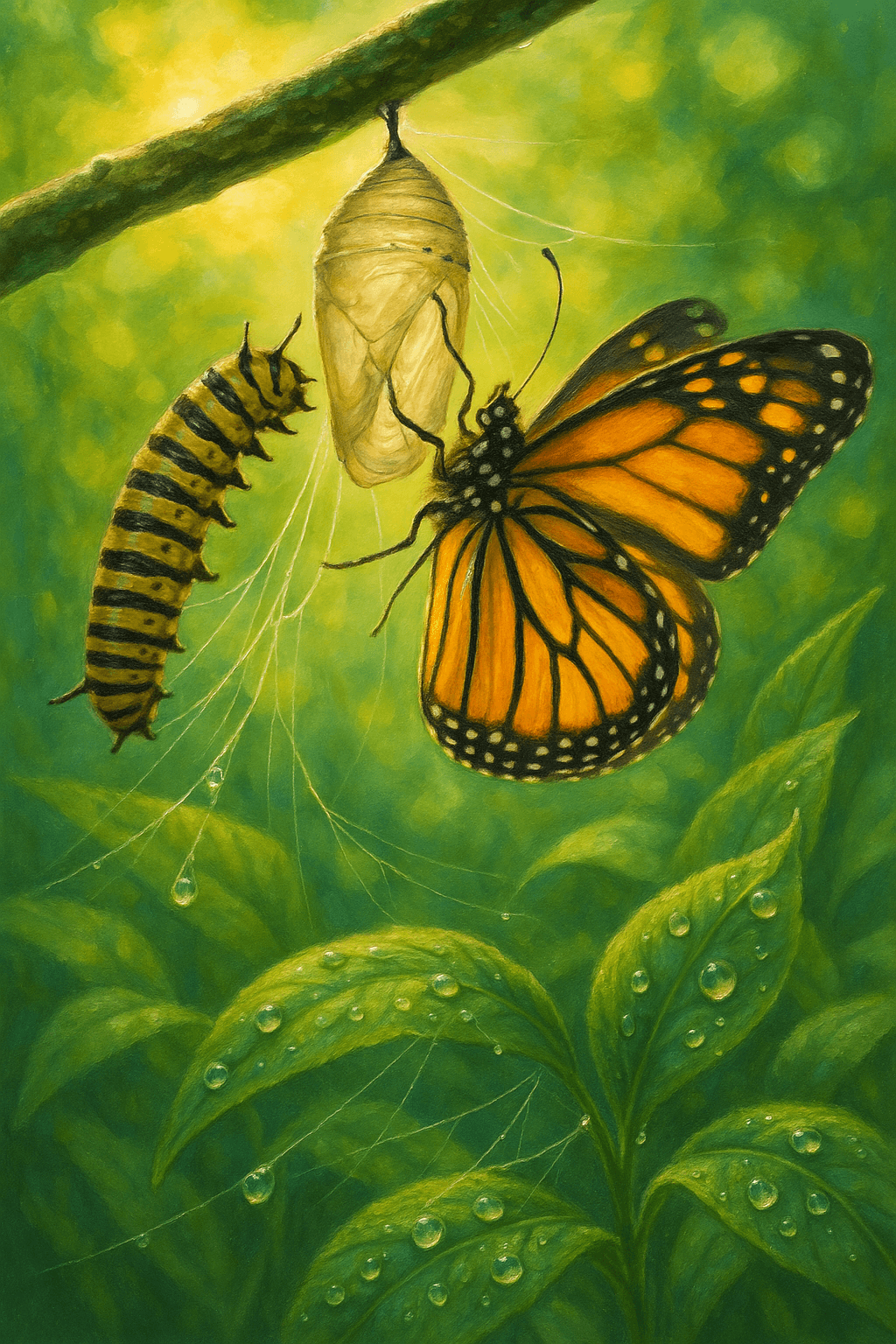
Without freedom, no art; art lives only on the restraints it imposes on itself, and dies of all others. — Albert Camus
—What lingers after this line?
The Primacy of Artistic Freedom
Albert Camus begins with the bold declaration that without freedom, art cannot exist. This assertion grounds itself in the long history of creative expression, where artists have repeatedly defied external constraints—be they political, social, or religious—in order to realize their visions. Take, for example, the works of dissident writers in Soviet Russia, whose clandestine literature thrived only in secret, away from the suffocating grip of censorship. Camus echoes their necessity: freedom is the oxygen of artistic creation.
Intrinsic Versus Extrinsic Restraints
Yet, Camus does not advocate for unbounded liberty. Instead, he introduces a crucial distinction between restraints imposed by the artist and those enforced from without. Intrinsic restraints—like choosing to write a sonnet instead of free verse—are willingly embraced and act as creative catalysts. Conversely, extrinsic restraints, enforced by authorities or cultural gatekeepers, stifle genuine expression. This duality is key to understanding how art flourishes or withers.
Restraint as a Source of Innovation
Paradoxically, self-imposed constraints often fuel innovation. The Oulipo literary movement, for instance, devised mathematical and linguistic restrictions—Georges Perec famously wrote the novel ‘La Disparition’ without using the letter ‘e.’ These voluntary limitations challenge artists to explore new territories within boundaries of their own making. In this sense, restraint becomes a tool for unlocking unforeseen potential, not a shackle.
The Perils of External Control
In contrast, external restraints threaten the lifeblood of art. When governments enforce censorship, or when markets dictate acceptable themes, creativity shrinks into conformity. Historic examples abound, from the sterile propaganda of totalitarian regimes to the strictures of the Hays Code in early Hollywood. Both cases demonstrate Camus’s warning: when art is forced to obey, it eventually ‘dies’ as its independence and vitality are drained away.
Sustaining Art’s Vitality Through Autonomy
Ultimately, the survival of art depends on preserving its autonomy—defending both the artist’s freedom to create and their right to impose only those limitations that inspire rather than suffocate. As Camus suggests, it is in this delicate interplay between freedom and chosen constraints that art retains its voice, resilience, and capacity to surprise. Thus, nurturing artistic environments means embracing self-discipline while opposing all forms of external imposition.
One-minute reflection
What's one small action this suggests?
Related Quotes
6 selectedIn every work of art the spirit of freedom prevails. — Paul Gauguin
Paul Gauguin
This quote highlights the fundamental aspect of freedom in the process of artistic creation. True art arises from an unbound spirit, giving the artist liberty to express thoughts, emotions, and ideas unconstrained by soc...
Read full interpretation →You don't need a formal license to be an artist; you only need the courage to claim your own perspective. — Ai Weiwei
Ai Weiwei
Ai Weiwei’s statement immediately dismantles the idea that artistic legitimacy must be granted by institutions, critics, or official credentials. Instead, he shifts the center of gravity inward: what makes someone an art...
Read full interpretation →In order to be an artist, you have to make your own rules and break them. — Nela Dunato
Nela Dunato
This quote highlights the importance of creativity and individuality in art. It suggests that true artistry involves creating a personal set of guidelines that resonate with the artist's vision, rather than adhering stri...
Read full interpretation →The very limitations we are given can lead us to discover new ways of reaching our goals. — Erna Bombeck
Erna Bombeck
This quote underscores that challenges and obstacles are not merely hindrances; they can inspire resilience and resourcefulness, enabling individuals to find innovative solutions.
Read full interpretation →Out of limitations, inspiration. — Dewitt Jones
Dewitt Jones
This quote highlights how limitations can serve as a catalyst for creativity. When faced with constraints, individuals are often compelled to think in innovative and resourceful ways.
Read full interpretation →Out of limitations, comes creativity. — Debbie Allen
Debbie Allen
This quote suggests that constraints and restrictions can inspire creative solutions. When faced with limitations, individuals often find innovative ways to overcome challenges.
Read full interpretation →More From Author
More from Albert Camus →You will never be able to experience everything. So, please, do poetical justice to your soul and simply experience yourself. — Albert Camus
Camus begins from a humbling truth: no person can live every possible life, see every landscape, or test every path. Because existence is finite, the dream of total experience becomes a source of restlessness rather than...
Read full interpretation →Peace is the only battle worth waging. — Albert Camus
At first glance, Camus frames peace through an apparent contradiction: a battle fought not for conquest, but to end the need for conquest itself. By calling peace the only struggle worth pursuing, he redirects human cour...
Read full interpretation →Sometimes carrying on, just carrying on, is the superhuman achievement. — Albert Camus
At first glance, Camus shifts the meaning of heroism away from grand victories and toward something far more ordinary: persistence. By saying that “just carrying on” can be a superhuman achievement, he honors the invisib...
Read full interpretation →In order to understand the world, one has to turn away from it on occasion. — Albert Camus
Camus’ line sounds contradictory at first: how can you understand the world by turning away from it? Yet the paradox points to a familiar truth—immersion can blur perception, while distance can sharpen it.
Read full interpretation →