
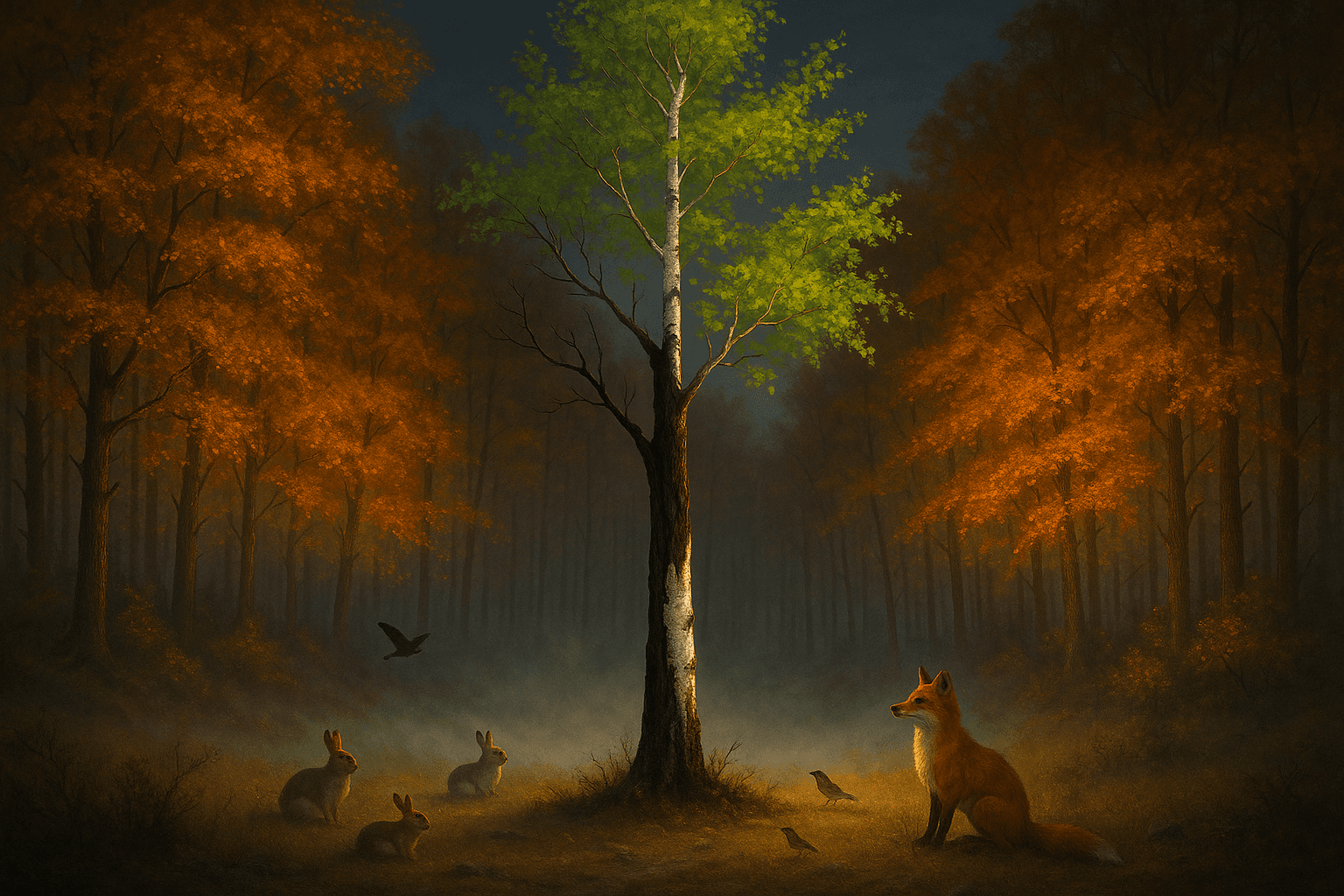
A person is a fool to become a writer. His only compensation is absolute freedom. — Roald Dahl
—What lingers after this line?
Embracing the Writer’s Paradox
Roald Dahl’s candid observation captures a striking contradiction central to the writing vocation: one must be ‘a fool’ to willingly pursue such a path, yet the reward—‘absolute freedom’—is incomparable. This paradox forms the bedrock of the literary life, where rational concerns about stability or recognition are often pitted against the intoxicating allure of creative independence.
The Risks and Realities of the Craft
Transitioning from this paradox, it’s important to consider the tangible difficulties faced by writers. Historically, the profession has been fraught with uncertainty; many, like Edgar Allan Poe or Franz Kafka, languished in obscurity and poverty during their lifetimes. The writer's journey is, as Dahl suggests, unreasonable by practical standards, and yet countless individuals remain drawn to its mysteries despite the absence of material guarantees.
Absolute Freedom: The Writer’s True Compensation
Amid this struggle, the notion of ‘absolute freedom’ becomes the writer’s true solace. With only the limits of imagination to contend with, authors can shape entire universes, question societal norms, or give voice to the voiceless. As Virginia Woolf declared in ‘A Room of One’s Own’ (1929), possessing the space—both literal and figurative—to write is itself liberation, even if it comes with personal sacrifice.
The Allure of Creative Independence
Moreover, this absolute freedom acts as a powerful counterbalance to the hardships. The ability to set one’s agenda and pursue eccentric ideas without external interference appeals to a certain audacious spirit. Literary rebels like James Joyce or Maya Angelou exemplify how breaking from convention allows one to chart a wholly personal course—beckoning ‘fools’ to the adventure of authorship.
Reconciling Folly with Fulfillment
Ultimately, the fool’s choice to write is redeemed by the fulfillment found in creative autonomy. Despite daunting odds, writers embrace their role as both outcasts and visionaries. Dahl’s wry wisdom reminds us that, while society may deem the writer foolish, the liberty to imagine and invent is a rare gift—granting purpose and dignity to those willing to pay its price.
One-minute reflection
What does this quote ask you to notice today?
Related Quotes
5 selectedYou don't need a formal license to be an artist; you only need the courage to claim your own perspective. — Ai Weiwei
Ai Weiwei
Ai Weiwei’s statement immediately dismantles the idea that artistic legitimacy must be granted by institutions, critics, or official credentials. Instead, he shifts the center of gravity inward: what makes someone an art...
Read full interpretation →In order to be an artist, you have to make your own rules and break them. — Nela Dunato
Nela Dunato
This quote highlights the importance of creativity and individuality in art. It suggests that true artistry involves creating a personal set of guidelines that resonate with the artist's vision, rather than adhering stri...
Read full interpretation →In every work of art the spirit of freedom prevails. — Paul Gauguin
Paul Gauguin
This quote highlights the fundamental aspect of freedom in the process of artistic creation. True art arises from an unbound spirit, giving the artist liberty to express thoughts, emotions, and ideas unconstrained by soc...
Read full interpretation →Without freedom, no art; art lives only on the restraints it imposes on itself, and dies of all others. — Albert Camus
Albert Camus
Albert Camus begins with the bold declaration that without freedom, art cannot exist. This assertion grounds itself in the long history of creative expression, where artists have repeatedly defied external constraints—be...
Read full interpretation →To live a creative life, we must lose our fear of being wrong. — Joseph Chilton Pearce
Joseph Chilton Pearce
This quote emphasizes the importance of embracing uncertainty and the unknown. Creativity often involves exploring uncharted territories, and fearing mistakes can stifle that exploration.
Read full interpretation →More From Author
More from Roald Dahl →