
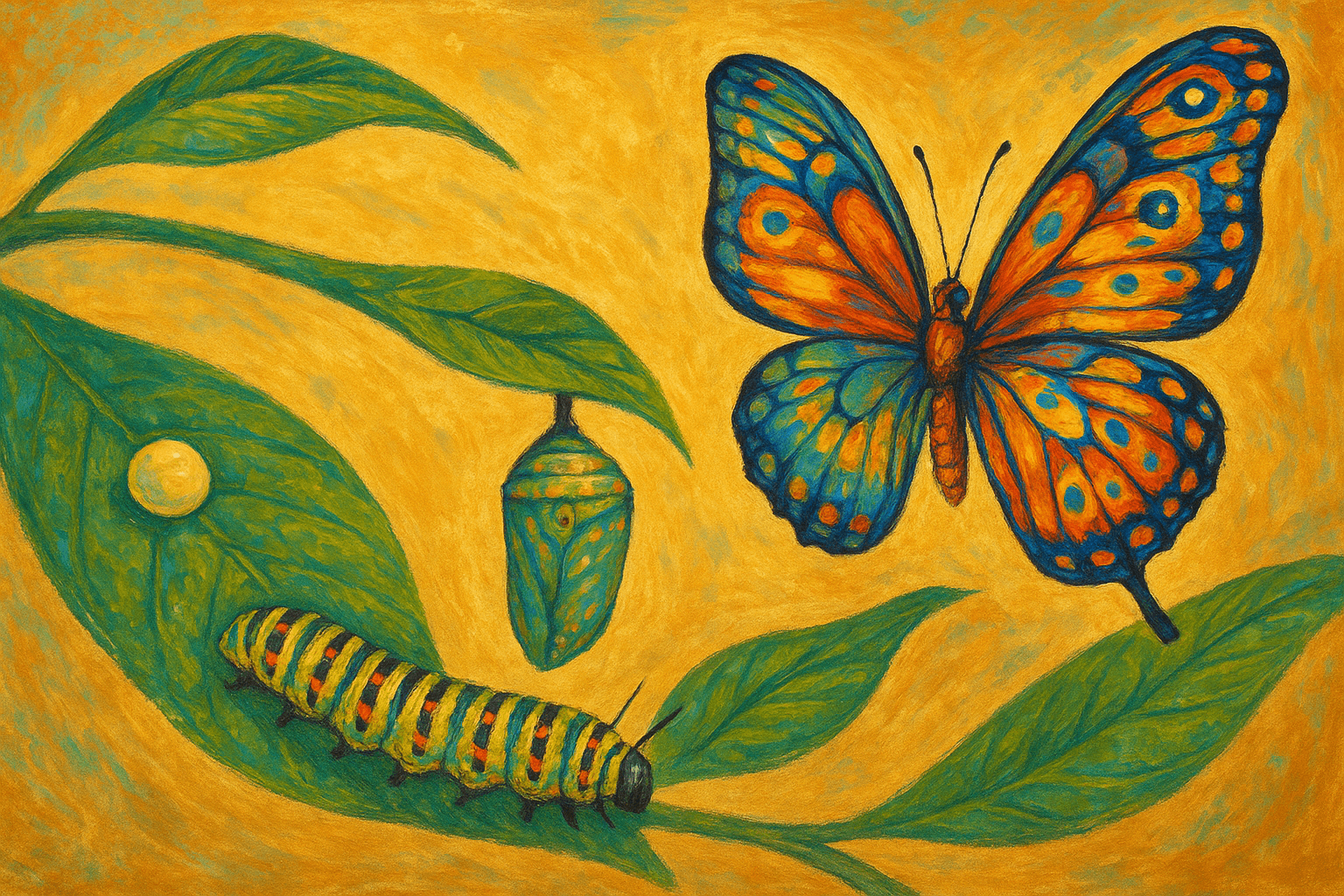
Talent is a long patience, and originality an effort of will and intense observation. — Gustave Flaubert
—What lingers after this line?
Redefining Talent as Perseverance
Gustave Flaubert’s statement begins by challenging the popular view of talent as a mystical gift. Instead, he frames talent as 'a long patience'—suggesting that what we often interpret as innate ability is, in reality, endurance over time. This redefinition echoes Thomas Edison’s famed adage that “genius is one percent inspiration and ninety-nine percent perspiration,” emphasizing that persistent effort, rather than immediate brilliance, fosters remarkable achievement.
Originality Through Willpower and Observation
Seamlessly moving from talent to originality, Flaubert highlights that creative innovation is not a matter of luck but of 'effort of will and intense observation.' Here, originality is depicted as the outcome of conscious striving and a practiced attentiveness to life’s subtleties. Like the Impressionist painters who revolutionized art by meticulously observing light and shadow, Flaubert suggests that true novelty is the result of persistent, mindful effort.
Patience and Resilience in the Creative Process
Linking patience with creativity underscores the resilience required to cultivate both talent and originality. Much like authors who labor for years over a single novel—such as Flaubert himself did with 'Madame Bovary'—the creative journey is marked by setbacks, revisions, and gradual mastery. This long-term perseverance weaves together the threads of failure and progress, reinforcing the idea that meaningful work is seldom hurried.
Observation as the Seed of Innovation
Building upon these ideas, intense observation becomes the seedbed for fresh ideas. Scientific innovators like Charles Darwin, who spent decades observing subtle variations in finches before publishing his theory of evolution, exemplify how careful study of the familiar can yield unprecedented insights. Flaubert’s perspective encourages us to look beyond the obvious, claiming that deep engagement with reality is the true source of creative distinction.
Willpower: The Driving Force Behind Mastery
Tying the concepts together, Flaubert identifies willpower as the motor propelling both patience and observation. Whether refining a literary draft or composing a symphony, sustained intentionality is crucial. Studies on deliberate practice—such as Anders Ericsson’s research—affirm that those who consciously strive to improve, pushing past comfort and embracing rigorous effort, ultimately acquire mastery. In this way, talent and originality are achieved less by chance than through the determined pursuit Flaubert extols.
One-minute reflection
Where does this idea show up in your life right now?
Related Quotes
5 selectedYou don't make art out of good intentions. — Gustave Flaubert
Gustave Flaubert
At first glance, Gustave Flaubert’s remark sounds severe, yet its force lies in its refusal to confuse moral sincerity with artistic achievement. Good intentions may motivate a person to create, but intention by itself d...
Read full interpretation →Everything that is beautiful and noble is the result of long dedication and painstaking effort. — Gustave Flaubert
Gustave Flaubert
Flaubert’s sentence rejects the fantasy of effortless brilliance. At its heart, it argues that whatever we call beautiful or noble does not simply appear through talent or inspiration; rather, it is shaped slowly through...
Read full interpretation →Be steady and well-ordered in your life so that you can be fierce and original in your work. — Gustave Flaubert
Gustave Flaubert
Gustave Flaubert's advice points to a compelling dichotomy: stability in personal affairs lays the groundwork for daring innovation in one’s work. Rather than viewing discipline and creativity as opposing forces, Flauber...
Read full interpretation →The heart, like the stomach, wants a varied diet. — Gustave Flaubert
Gustave Flaubert
Flaubert’s witty comparison likens emotional fulfillment to physical nourishment, suggesting that just as our stomachs require a range of foods, our hearts crave a spectrum of feelings and experiences. This metaphor not...
Read full interpretation →Nothing in this world can take the place of persistence. Talent will not; nothing is more common than unsuccessful men with talent. Genius will not; unrewarded genius is almost a proverb. Education will not; the world is full of educated derelicts. The slogan 'Press on' has solved and always will solve the problems of the human race. — Calvin Coolidge, United States. This quote emphasizes the power of perseverance and tenacity, making it an inspiring choice for an engaging and expressive visual representation that resonates with diverse perspectives globally.
Calvin Coolidge, United States. This quote emphasizes the power of perseverance and tenacity, making it an inspiring choice for an engaging and expressive visual representation that resonates with diverse perspectives globally.
This quote highlights that persistence is crucial to achieving success. No matter the talent or intelligence one may possess, without the determination to keep pushing forward, these qualities may not lead to meaningful...
Read full interpretation →More From Author
More from Gustave Flaubert →You don't make art out of good intentions. — Gustave Flaubert
At first glance, Gustave Flaubert’s remark sounds severe, yet its force lies in its refusal to confuse moral sincerity with artistic achievement. Good intentions may motivate a person to create, but intention by itself d...
Read full interpretation →Everything that is beautiful and noble is the result of long dedication and painstaking effort. — Gustave Flaubert
Flaubert’s sentence rejects the fantasy of effortless brilliance. At its heart, it argues that whatever we call beautiful or noble does not simply appear through talent or inspiration; rather, it is shaped slowly through...
Read full interpretation →Be steady and well-ordered in your life so that you can be fierce and original in your work. — Gustave Flaubert
Gustave Flaubert's advice points to a compelling dichotomy: stability in personal affairs lays the groundwork for daring innovation in one’s work. Rather than viewing discipline and creativity as opposing forces, Flauber...
Read full interpretation →The heart, like the stomach, wants a varied diet. — Gustave Flaubert
Flaubert’s witty comparison likens emotional fulfillment to physical nourishment, suggesting that just as our stomachs require a range of foods, our hearts crave a spectrum of feelings and experiences. This metaphor not...
Read full interpretation →