
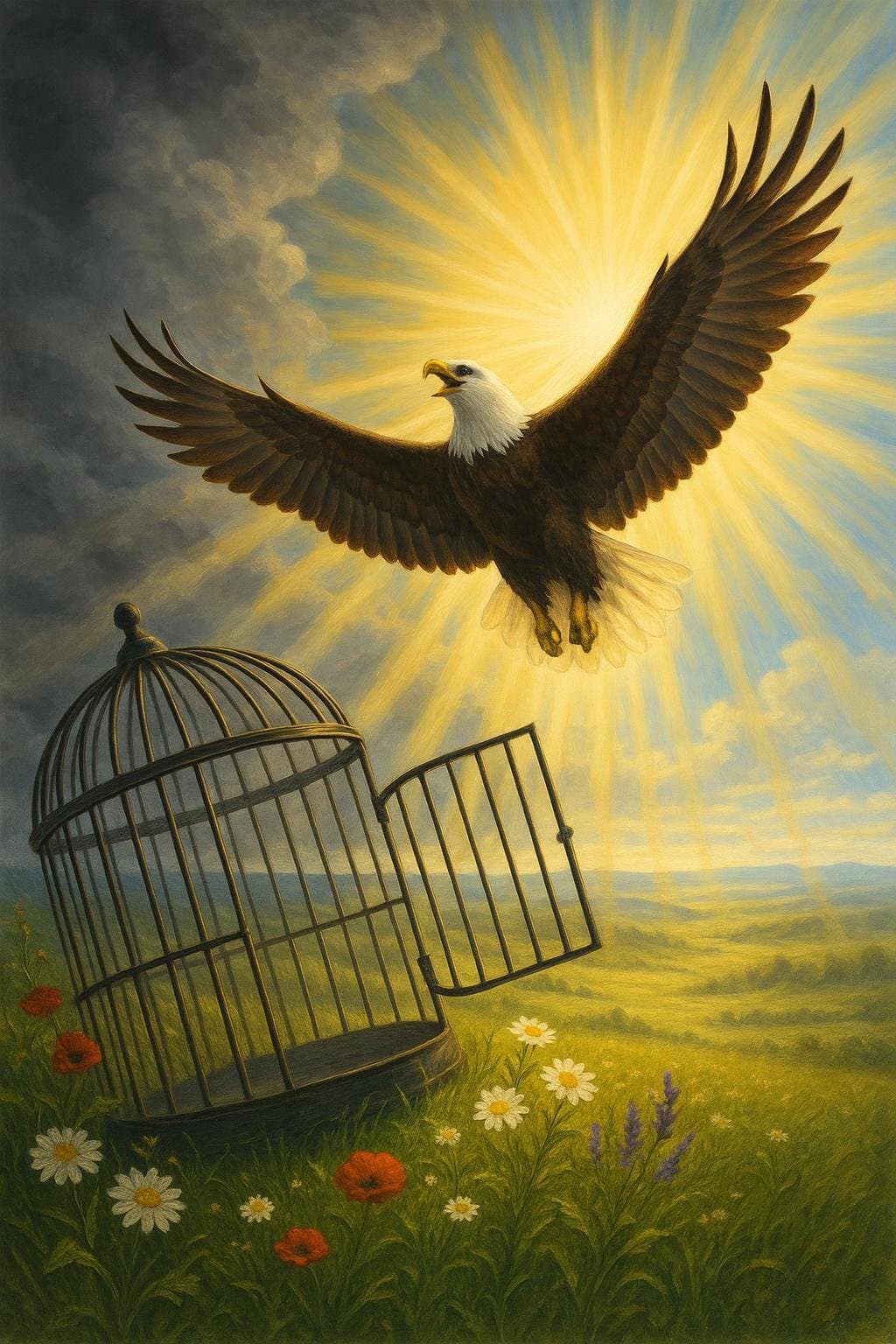
Freedom is the sure possession of those alone who have the courage to defend it. — Pericles
—What lingers after this line?
Pericles’ Timeless Warning
Pericles’ statement underscores a hard truth: freedom is not automatically secured, nor is it a perpetual guarantee. In the fragile democracy of fifth-century Athens, Pericles recognized that liberty is endangered by complacency. His words remind us that those enjoying freedom must possess the fortitude to protect it, lest it be lost to threats both internal and external.
Historical Proofs of Courage Defending Liberty
Transitioning from theory to practice, history is replete with moments where freedom survived only because individuals and communities exhibited resolve. The American Revolution, for instance, began with ordinary citizens risking their lives for self-governance. Similarly, post-World War II Europe saw resistance fighters, against daunting odds, defend democratic ideals. Each example affirms Pericles’ view that courageous action is indispensable to maintaining liberty.
The Psychological Burden of Defending Rights
Moving beyond historical events, defending freedom demands more than physical bravery—it requires moral clarity and mental endurance. Psychologists note that standing up against oppression often entails social isolation or personal risk. When citizens challenge unjust laws or expose corruption, as whistleblowers like Edward Snowden have, they embody Pericles’ call for courage in safeguarding liberty.
Freedom’s Fragility in Modern Societies
Continuing into the digital age, threats to freedom have evolved. Today, surveillance, misinformation, and erosion of privacy pose new dangers. Yet, Pericles’ insight remains relevant: digital activists, journalists, and ordinary netizens must summon the same determination that kept ancient democracies alive. Whether combating censorship or defending minority rights, the pattern persists—freedom requires guardianship.
A Living Legacy: Courage in Everyday Choices
In conclusion, Pericles’ wisdom applies not only to grand historical struggles but also to daily life. Speaking out against injustice, voting responsibly, or supporting open discourse are modern acts of courage that sustain liberty. Just as the ancient Greeks linked freedom and courage, contemporary societies thrive when their members recognize that liberty’s endurance hinges on their willingness to defend it.
One-minute reflection
What feeling does this quote bring up for you?
Related Quotes
6 selectedTo be courageous is to act with the heart. — Molière
Molière
Molière’s line suggests that courage is not merely the absence of fear, but the decision to move despite it. By connecting courage with the heart, he frames bravery as an emotional and moral act rather than a simple disp...
Read full interpretation →The best people possess a feeling for beauty, the courage to take risks, the discipline to tell the truth, the capacity for sacrifice. — Ernest Hemingway
Ernest Hemingway
Hemingway’s line presents goodness not as politeness or success, but as a demanding inner code. The “best people” are those who combine sensitivity, bravery, honesty, and self-denial—qualities that do not always coexist...
Read full interpretation →If you are not willing to look stupid, nothing great is ever going to happen to you. — Julia Cameron
Julia Cameron
Julia Cameron’s remark begins with a hard truth: many people do not fail because they lack talent, but because they fear embarrassment. In that sense, ‘looking stupid’ becomes shorthand for being seen trying, stumbling,...
Read full interpretation →You don't have to bully yourself out of feeling fear. You just have to move while it's still there. — Annie Wright
Annie Wright
At its core, Annie Wright’s quote challenges the common belief that courage begins only after fear has disappeared. Instead, it reframes fear as something that can accompany action rather than prevent it.
Read full interpretation →For what matters in life is not whether we receive a round of applause; what matters is whether we have the courage to venture forth despite the uncertainty of acclaim. — Amor Towles
Amor Towles
At its core, Amor Towles shifts attention away from public approval and toward private resolve. The quote argues that a life’s value is not determined by applause—those visible signs of recognition—but by the willingness...
Read full interpretation →Your home should lower your shoulders the moment you walk in. — Unknown (attributed to design philosophy/experts, but skipping as per rules: switching to:) The boundary to what we can accept is the boundary to our freedom. — Tara Brach
Tara Brach
At first glance, Tara Brach’s statement sounds simple, yet it points to a profound inner mechanism: the limits of our freedom are often set not only by external conditions, but by what we refuse to face within ourselves....
Read full interpretation →More From Author
More from Pericles →