
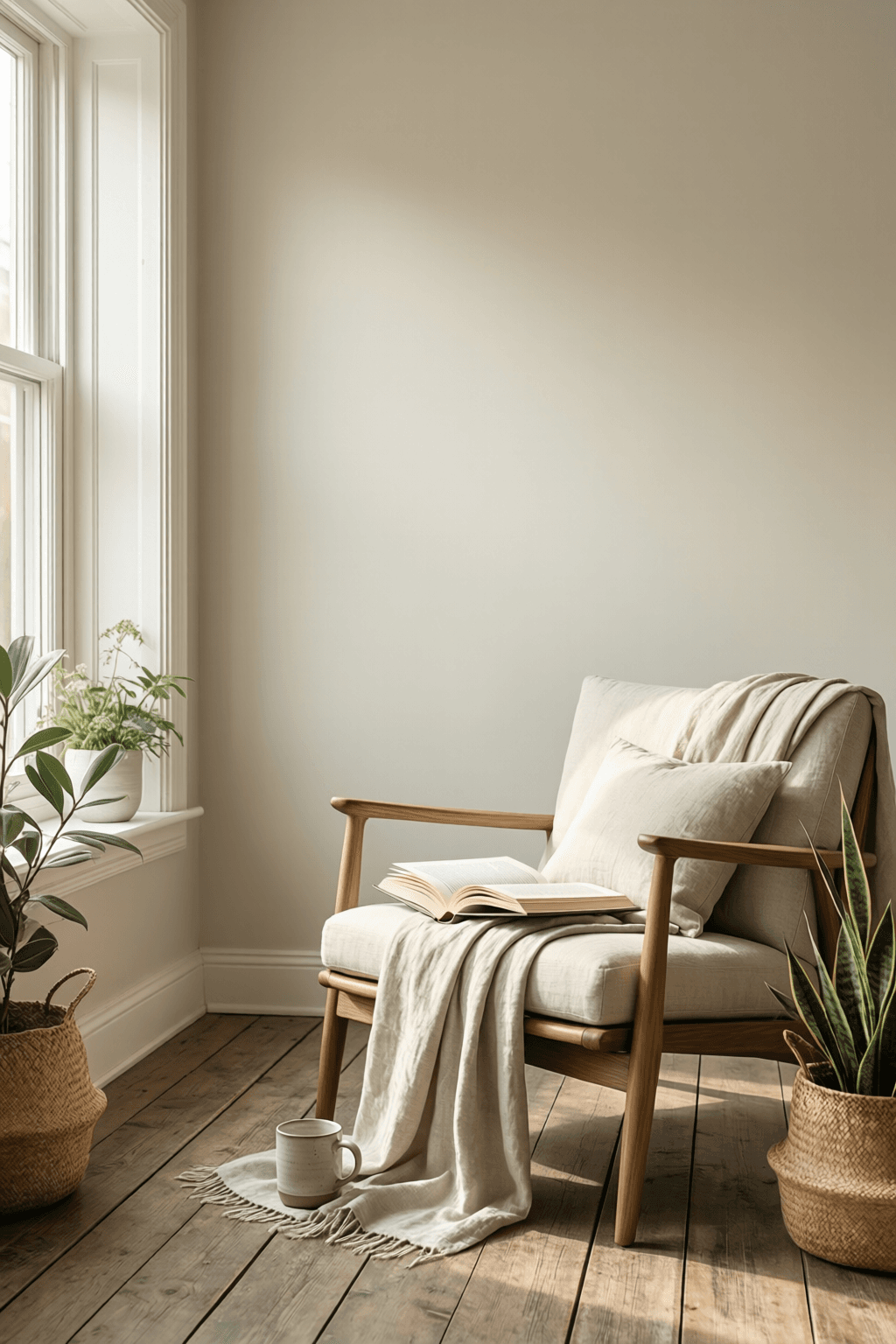
Home is the place where you become yourself, where you can be, and where you don't have to pretend. — Henning Mankell
—What lingers after this line?
A Sanctuary for Authentic Being
At its heart, Mankell’s line defines home less as a structure than as a condition of freedom. Home is the place where performance falls away, where identity is not negotiated for approval but simply lived. In that sense, he suggests that home is where a person stops acting and starts existing. This idea immediately shifts the meaning of belonging. Rather than asking whether a house is large, beautiful, or permanent, Mankell asks whether it allows truth. If a place permits you to speak, rest, and even fail without disguise, then it becomes home in the deepest human sense.
The End of Social Pretending
From there, the quote speaks to the exhaustion of public life. Much of daily existence requires masks: professionalism at work, politeness among strangers, confidence in uncertain moments. Home matters because it offers relief from that constant self-management, becoming the rare space where one need not edit every gesture. Consequently, Mankell’s vision carries emotional weight. To not pretend is not mere comfort; it is restoration. The sociologist Erving Goffman’s The Presentation of Self in Everyday Life (1956) famously described social life as performance, and Mankell’s insight feels like the counterpoint: home is the backstage where the costume can finally come off.
Becoming Rather Than Merely Dwelling
Yet the quote goes further than comfort, because Mankell says home is where you “become yourself.” That phrase implies growth, not just refuge. Home is not only where the true self is protected; it is where the true self is formed through safety, repetition, memory, and acceptance. In this way, home resembles what psychologist Donald Winnicott called a “holding environment” in his mid-20th-century writings on emotional development: a reliable space in which the self can emerge without fear of collapse. A child encouraged at the family table, or an adult returning to a friend’s apartment where no explanations are needed, slowly becomes more fully themselves through that steady permission to be.
Home Beyond Physical Walls
Accordingly, Mankell’s statement also frees home from geography. Many people live in houses that do not feel like home, while others find home in a person, a language, or a community. For migrants, exiles, and those estranged from family, this distinction is especially powerful: home may be carried inward or rebuilt in human connection. Literature often returns to this truth. In Homer’s Odyssey, home is both a destination and a restoration of identity; Odysseus is not merely trying to reach Ithaca as a location but to recover a self tested by wandering. Mankell’s quote echoes that broader tradition by showing that home is wherever one’s inner life no longer needs disguise.
The Ethics of Making Others Feel at Home
Finally, the quote invites a moral question: if home is where no pretending is required, how do we create such spaces for others? The answer lies in everyday acts of welcome—listening without judgment, allowing vulnerability, and refusing to demand performance from those we love. Seen this way, home becomes not just a private blessing but a shared responsibility. We make home whenever we offer another person the rare dignity of being fully seen without being corrected into a role. Mankell’s insight therefore ends on a quiet challenge: the truest homes are built not only with walls and rooms, but with trust strong enough to let a human being be real.
One-minute reflection
What's one small action this suggests?
Related Quotes
6 selectedHome is a state of mind, the peace that comes from being who you are and living an honest life. — Cecelia Ahern
Cecelia Ahern
At first glance, Ahern’s quote gently overturns the common idea that home is merely a physical place. Instead, she presents it as an inward condition: a sense of peace that arises when a person is no longer divided again...
Read full interpretation →There is a quiet power in the ability to simply be, to exist without the need for constant performance. — Eileen Caddy
Eileen Caddy
Eileen Caddy’s words begin with a gentle challenge to modern restlessness: we often feel compelled to prove our worth through productivity, charm, achievement, or constant visibility. Yet her phrase “quiet power” suggest...
Read full interpretation →Be who you are and say what you feel, because those who mind don't matter, and those who matter don't mind. — Bernard M. Baruch
Bernard M. Baruch
Baruch’s quote begins with a simple but demanding instruction: be yourself and speak honestly. At its core, the line argues that authenticity is not merely a personality trait but an act of courage, especially in a world...
Read full interpretation →You're born an original—don't die a copy. — John Mason
John Mason
At its core, John Mason’s line is a sharp reminder that every person begins life with a distinct combination of temperament, talent, and perspective. To be “born an original” suggests that individuality is not something...
Read full interpretation →Authenticity is a habit. It is a road we are comfortable with. — Ai Weiwei
Ai Weiwei
At first glance, Ai Weiwei’s statement shifts authenticity away from dramatic self-revelation and toward repetition. By calling it a habit, he suggests that being genuine is not an occasional act of courage but a pattern...
Read full interpretation →Quietly persist. The world is loud, but your work only needs to be true. — Anne Lamott
Anne Lamott
Anne Lamott’s line begins with a simple imperative: “Quietly persist.” At once, it rejects the idea that meaningful work must announce itself to be real. Instead, she points toward a steadier form of effort, one rooted i...
Read full interpretation →More From Author
More from Henning Mankell →