
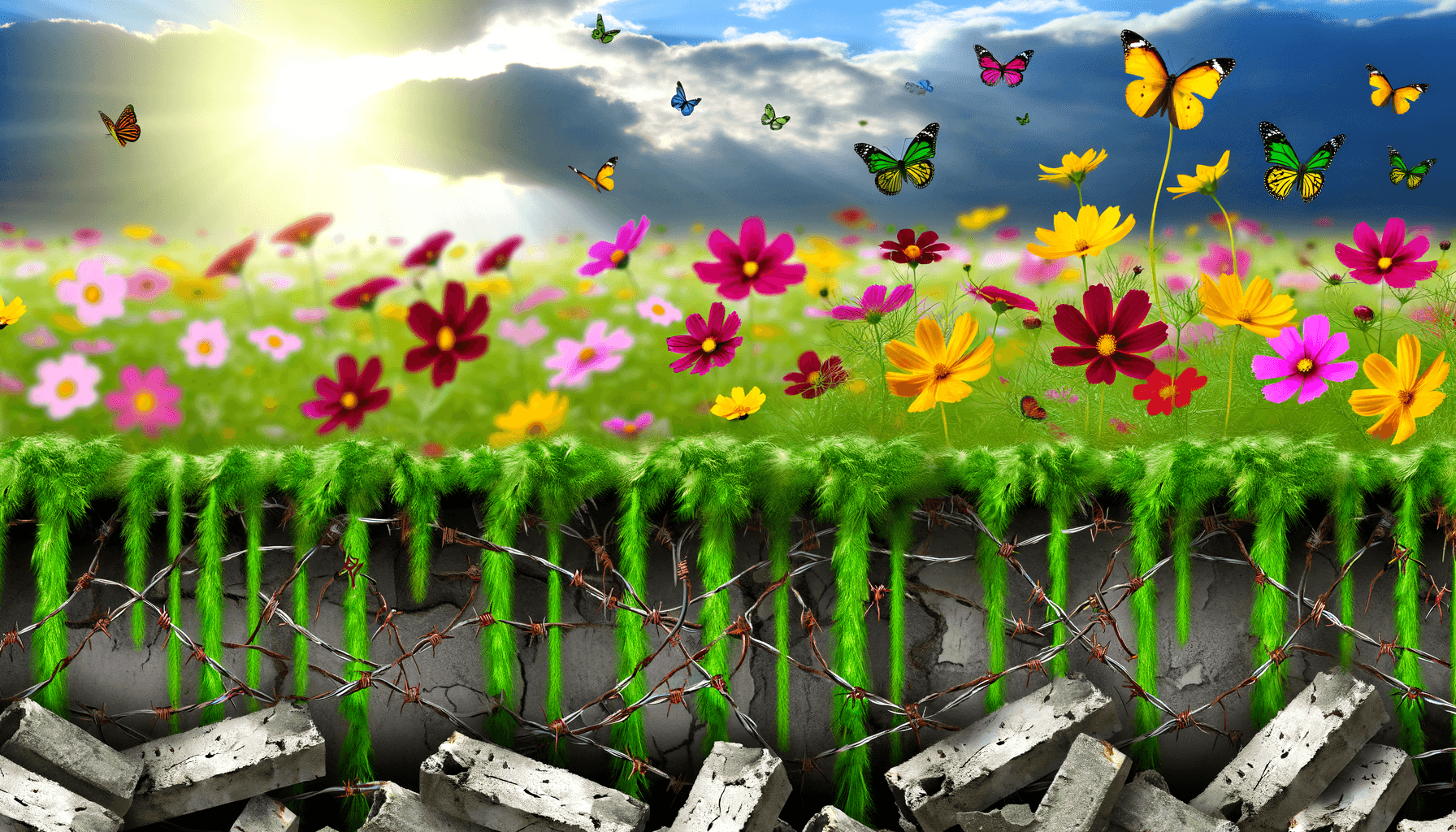
Resistance is fertile; it grows the flowers of freedom. — Maya Angelou
—What lingers after this line?
Metaphor of Fertility
By describing resistance as 'fertile,' the quote likens resistance to fruitful soil from which positive outcomes, such as freedom, can grow.
Power of Nonconformity
The message suggests that standing up against oppression leads to progress and liberation.
Nature Imagery
Comparing freedom to blooming flowers, Angelou conveys hope and beauty as the results of persistent struggle.
Inspiration for Activism
The quote serves as encouragement for activists, reminding them that resistance is productive and can yield positive change.
Legacy and Hope
Angelou’s words reinforce that ongoing resistance is necessary for achieving and nurturing freedom for current and future generations.
One-minute reflection
Why might this line matter today, not tomorrow?
Related Quotes
6 selectedThe artist must elect to fight for freedom or for slavery. I have made my choice. I had no alternative. — Maya Angelou
Maya Angelou
Maya Angelou’s statement begins with a stark premise: the artist cannot stand outside history. By saying an artist must choose between freedom and slavery, she rejects the comforting illusion of neutrality and insists th...
Read full interpretation →Endurance is nobility; persistence, an act of rebellion. — Angela Davis
Angela Davis
Angela Davis’s words invoke the image of endurance as a noble quality, positioning it alongside virtues like courage and integrity. To endure hardships and maintain one’s dignity recalls historical figures who bore adver...
Read full interpretation →Resistance is fertile soil for growth. — Bell Hooks
bell hooks
Bell Hooks’s statement reimagines resistance not as a mere obstacle, but as the groundwork for transformation. Instead of seeing it as destructive, she casts resistance as an essential force that invigorates change.
Read full interpretation →Your home should lower your shoulders the moment you walk in. — Unknown (attributed to design philosophy/experts, but skipping as per rules: switching to:) The boundary to what we can accept is the boundary to our freedom. — Tara Brach
Tara Brach
At first glance, Tara Brach’s statement sounds simple, yet it points to a profound inner mechanism: the limits of our freedom are often set not only by external conditions, but by what we refuse to face within ourselves....
Read full interpretation →The boundary to what we can accept is the boundary to our freedom. — Tara Brach
Tara Brach
At first glance, Tara Brach’s statement suggests that freedom is not only shaped by external circumstances but also by our inner willingness to face reality. What we cannot accept—whether grief, uncertainty, fear, or imp...
Read full interpretation →True freedom is found in the discipline to choose what you want most over what you want in this fleeting moment. — Arden Mahlberg
Arden Mahlberg
At first glance, freedom is often imagined as the ability to do whatever one wants at any given moment. Arden Mahlberg’s statement gently overturns that assumption by suggesting that real freedom is not impulsive indulge...
Read full interpretation →More From Author
More from Maya Angelou →We need joy as we need air. We need love as we need water. We need each other as we need the earth we share. — Maya Angelou
Maya Angelou’s words turn emotional needs into elemental ones, placing joy beside air, love beside water, and human connection beside the earth itself. By doing so, she refuses to treat happiness, affection, and communit...
Read full interpretation →The only way to exist in a world that feels increasingly cold is to be the warmth you wish to receive from others. — Maya Angelou
At its core, Maya Angelou’s line reframes loneliness as a call to action rather than a verdict on the world. If life feels impersonal, distant, or harsh, she suggests that waiting passively for kindness may only deepen t...
Read full interpretation →Home is the place where one finally allows the armor to drop and the spirit to breathe. — Maya Angelou
At its core, Maya Angelou’s reflection defines home not merely as a structure but as a sanctuary of emotional safety. The image of letting “the armor drop” suggests that daily life often requires protection—composure, re...
Read full interpretation →The true value of our journey is found in the people who walk beside us, turning simple moments into our most enduring milestones. — Maya Angelou
At its heart, this reflection suggests that life is not valued only by destinations reached, but by the companions who share the road. Maya Angelou’s thought reframes success away from solitary achievement and toward rel...
Read full interpretation →