
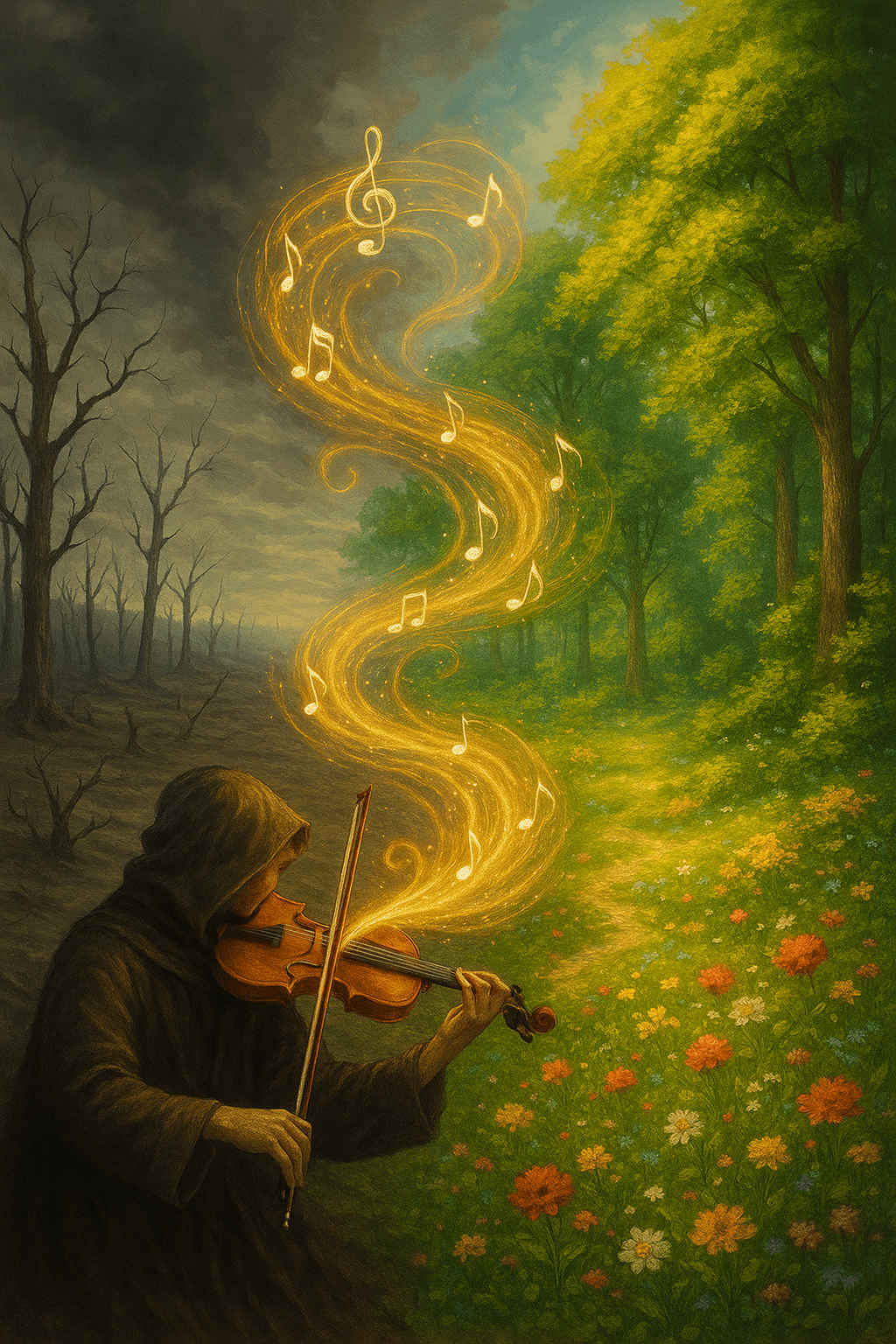
Life is a wound that only music can heal. — Federico García Lorca
—What lingers after this line?
Understanding Lorca’s Metaphor of Life as a Wound
Federico García Lorca’s evocative statement frames human existence as inherently painful, a wound each of us bears from birth. This metaphor calls attention to the universal experience of suffering—be it through loss, longing, or struggle. By comparing life to a wound, Lorca captures both its vulnerability and the constant ache many feel navigating the complexities of existence.
Music as a Universal Salve
From this perspective of pain, Lorca elevates music as a singular remedy. Unlike remedies that target only physical or external ailments, music touches the emotional and spiritual core. Anthropological studies have found that every culture creates music, often using it in rituals of mourning and healing—underscoring its near-universal therapeutic role.
Historical Perspectives on Music’s Transformative Power
Transitioning to historical precedents, the ancient Greeks believed in the doctrine of ethos, positing that music could shape character and soothe inner turmoil. In Plato’s 'Republic', musical education was essential for the soul’s balance. Centuries later, Beethoven described composing as his way of rising above oncoming deafness and depression, reinforcing Lorca’s insight from a deeply personal vantage point.
Scientific Insights into Music and Emotional Healing
Modern research lends further support: neuroscientists have shown that music releases dopamine, reducing pain and lifting mood. For example, studies by Levitin (2006) demonstrate how listening to moving melodies alleviates anxiety and depression. Music therapy is now recognized in hospitals for helping patients manage chronic pain and trauma, transforming Lorca’s poetic intuition into tangible medical practice.
Personal and Collective Restoration Through Song
Bringing these threads together, the healing power of music is felt not only individually but collectively. Songs have united people during times of adversity—from spirituals sung by enslaved communities to modern anthems of protest and solidarity. Thus, music does more than mend private wounds; it stitches together fractured societies, echoing Lorca’s vision of music as life’s great healer.
One-minute reflection
What's one small action this suggests?
Related Quotes
6 selectedWe are healed of a suffering only by expressing it to the full. — Marcel Proust
Marcel Proust
At its heart, Marcel Proust’s line suggests that pain does not loosen its grip when it is hidden or minimized; instead, it begins to change when it is fully articulated. To express suffering “to the full” means giving it...
Read full interpretation →A real sign of progress is when we stop trying to outrun our past and start learning how to sit with it, breathe through it, and let it go. — Yung Pueblo
Yung Pueblo
Yung Pueblo reframes progress as something quieter than achievement or constant motion. Instead of measuring growth by how far we’ve run from painful memories, he points to a more intimate metric: our ability to remain p...
Read full interpretation →Our sorrows and wounds are healed only when we touch them with compassion. — Jack Kornfield
Jack Kornfield
Jack Kornfield’s line begins with a quiet reversal: rather than escaping sorrow and wounds, he suggests healing starts when we face them directly. The word “only” is doing important work here—it implies that avoidance ma...
Read full interpretation →Our individual relationships are an untapped resource—a source of healing hiding in plain sight. — Vivek Murthy
Vivek Murthy
Vivek Murthy’s claim reframes relationships as more than a pleasant addition to life; they become a practical, underused form of support that many people overlook because it feels ordinary. In other words, the very conne...
Read full interpretation →Create from the wound, not in spite of it, and your art will heal others. — Kahlil Gibran
Kahlil Gibran
Gibran’s line reframes suffering as a starting point rather than an obstacle. To “create from the wound” suggests that the raw material of art is not a polished life but an honest one—where loss, shame, grief, or longing...
Read full interpretation →Sing to the quiet corners of your life; music awakens possibility. — Hildegard of Bingen
Hildegard of Bingen
Hildegard of Bingen’s line begins with an intimate directive: “Sing to the quiet corners of your life.” Those corners suggest the unvisited rooms of the self—habits done on autopilot, feelings we postpone, hopes we keep...
Read full interpretation →More From Author
More from Federico García Lorca →Light awakens only where shadows have dared to linger. — Federico García Lorca
Federico García Lorca’s evocative quote introduces the idea that illumination emerges precisely where darkness has been bravely confronted. Light does not exist in a vacuum; it finds its definition and power in the place...
Read full interpretation →A single step can start a forest of change. — Federico García Lorca
Lorca’s image compresses a process into a gesture: one footfall, then roots and branches. A single step marks direction, intent, and the willingness to depart from inertia; a forest, by contrast, suggests multiplicity, i...
Read full interpretation →To burn with desire and keep quiet about it is the greatest punishment we can bring on ourselves. — Federico García Lorca
At the outset, Lorca’s line names a torment many recognize: the inward blaze of longing that is denied air. Desire seeks movement—toward confession, action, or creation.
Read full interpretation →Dance with the risk beneath your feet; passion carves a path where fear freezes. — Federico García Lorca
Lorca’s line urges us to move while the ground itself quivers, to treat danger not as a barricade but as a partner. Dancing with risk suggests a practiced intimacy with uncertainty: the more we listen to the floor’s trem...
Read full interpretation →