
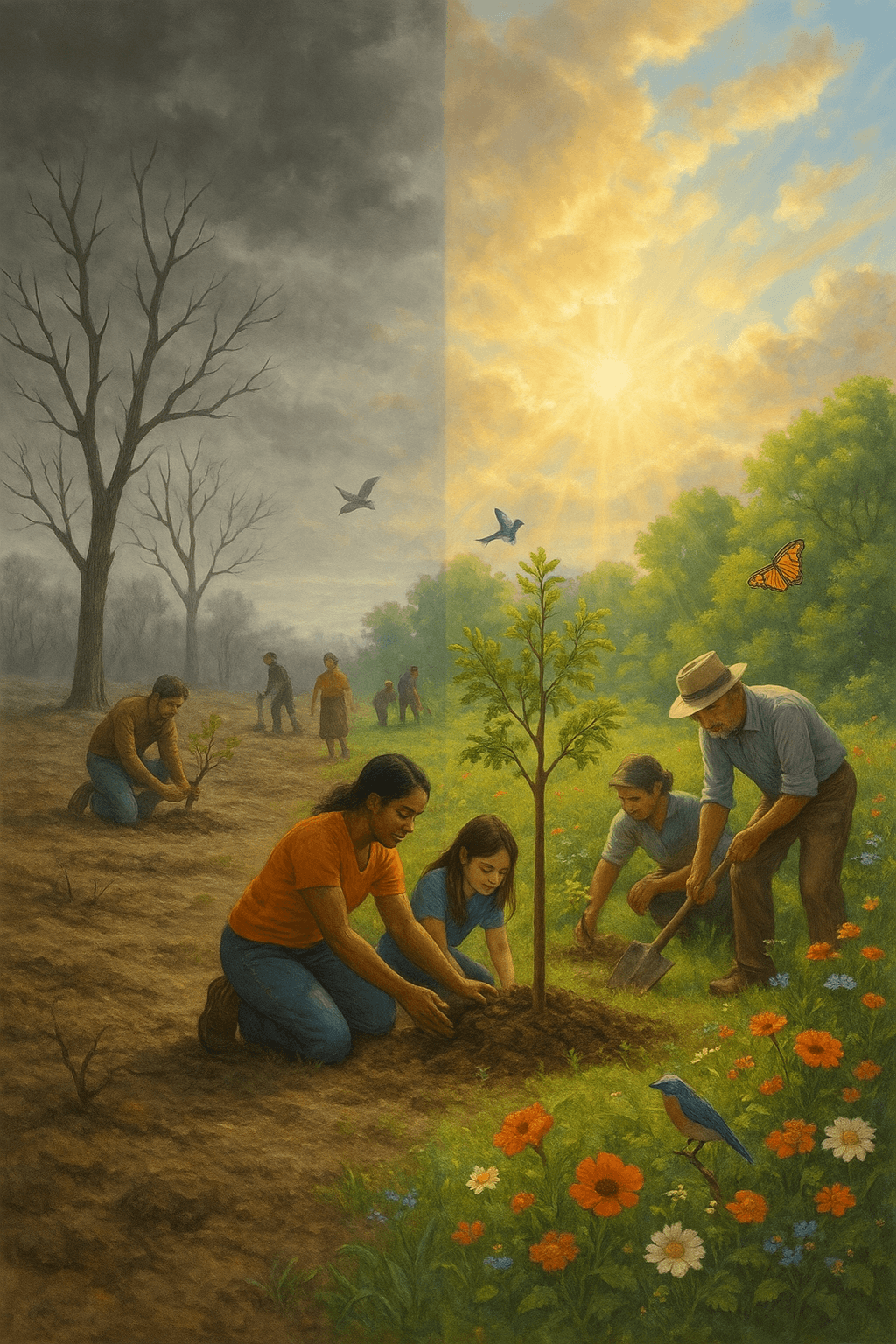
Believe in life! Always human beings will live and progress to greater, broader and fuller life. — Annie Besant
—What lingers after this line?
The Enduring Optimism in Annie Besant’s Words
Annie Besant’s statement stands as a testament to unwavering faith in humanity’s journey. Far from mere wishful thinking, her message of ‘believing in life’ embodies resilience and hope, especially during turbulent periods. By asserting that humanity will always advance to ‘greater, broader and fuller life,’ she anchors optimism in the idea of continuous progress, setting a hopeful tone for how we might perceive both individual and collective futures.
Historical Context and Besant’s Philosophy
Transitioning to the backdrop of her times, Besant—a prominent theosophist and social reformer of the late 19th and early 20th centuries—articulated these views in eras marked by great change. Whether advocating for women’s rights, education, or spiritual development, her belief in humanity’s inherent potential was steadfast. This relentless optimism was not naive; rather, it was rooted in her firsthand engagement with movements where meaningful progress was both witnessed and enacted.
Progress as an Unfolding Human Narrative
Looking further, the concept of ‘progress to greater, broader and fuller life’ suggests that human advancement is not a distant ideal, but an ongoing process. From the Industrial Revolution to today’s digital leaps, each generation’s achievements accumulate, mirroring Besant’s faith in evolving capability. In much the same way as Charles Darwin’s evolutionary theory illustrates adaptation and improvement, she champions the idea that human development, both socially and spiritually, is inevitable.
The Role of Individual and Collective Agency
Moreover, Besant’s exhortation entrusts each person with a role in this grand progression. By choosing to ‘believe in life,’ individuals tap into an agency that fuels collective transformation. The ripple effects of activism—such as the civil rights movement or movements for global education—underscore her conviction that human beings are not passive recipients, but active creators of a fuller existence.
Continuing the Legacy: Hope and Responsibility
Finally, as her message moves into the present and beyond, it serves as a call to action as much as a reassurance. In an age confronting new crises—from environmental threats to social divides—Besant’s words remind us that hope, paired with responsibility and action, propels societies forward. Thus, to ‘believe in life’ is to participate in nurturing the perennial human drive toward a more expansive, flourishing future.
One-minute reflection
What's one small action this suggests?
Related Quotes
6 selectedJust because your light flickers does not mean it is about to go out. — Yohancé Salimu
Yohancé Salimu
At first glance, Yohancé Salimu’s line separates appearance from reality. A flicker suggests instability, fatigue, or interruption, yet it does not automatically signal extinction.
Read full interpretation →Today's tears water tomorrow's gardens. — Matshona Dhliwayo
Matshona Dhliwayo
At first glance, Matshona Dhliwayo’s line transforms grief into something unexpectedly fertile. Tears, usually seen as signs of pain or loss, become water for a future garden, suggesting that suffering is not merely endu...
Read full interpretation →Hope is passion for the possible. — Søren Kierkegaard
Søren Kierkegaard
At first glance, Kierkegaard’s line transforms hope from a passive feeling into an active force. To call hope “passion for the possible” means that hope is not mere daydreaming; rather, it is an inward energy that leans...
Read full interpretation →A ship should not ride on a single anchor, nor life on a single hope. — Epictetus
Epictetus
At first glance, Epictetus turns a practical image into a moral lesson: a ship secured by only one anchor is vulnerable to shifting winds, rough tides, and hidden strain. In the same way, a life fastened to a single hope...
Read full interpretation →We need never be hopeless because we can never be irreparably broken. — John Green
John Green
At its core, John Green’s line reframes hope not as naive optimism but as a durable truth about being human. To say we need never be hopeless is to suggest that no injury, failure, or grief fully cancels the possibility...
Read full interpretation →The deep roots never doubt spring will come. — Marty Rubin
Marty Rubin
At first glance, Marty Rubin’s line turns a simple natural image into a meditation on trust. Deep roots, hidden from view and buried in cold earth, symbolize the part of life that endures when nothing visible seems alive...
Read full interpretation →More From Author
More from Annie Besant →