
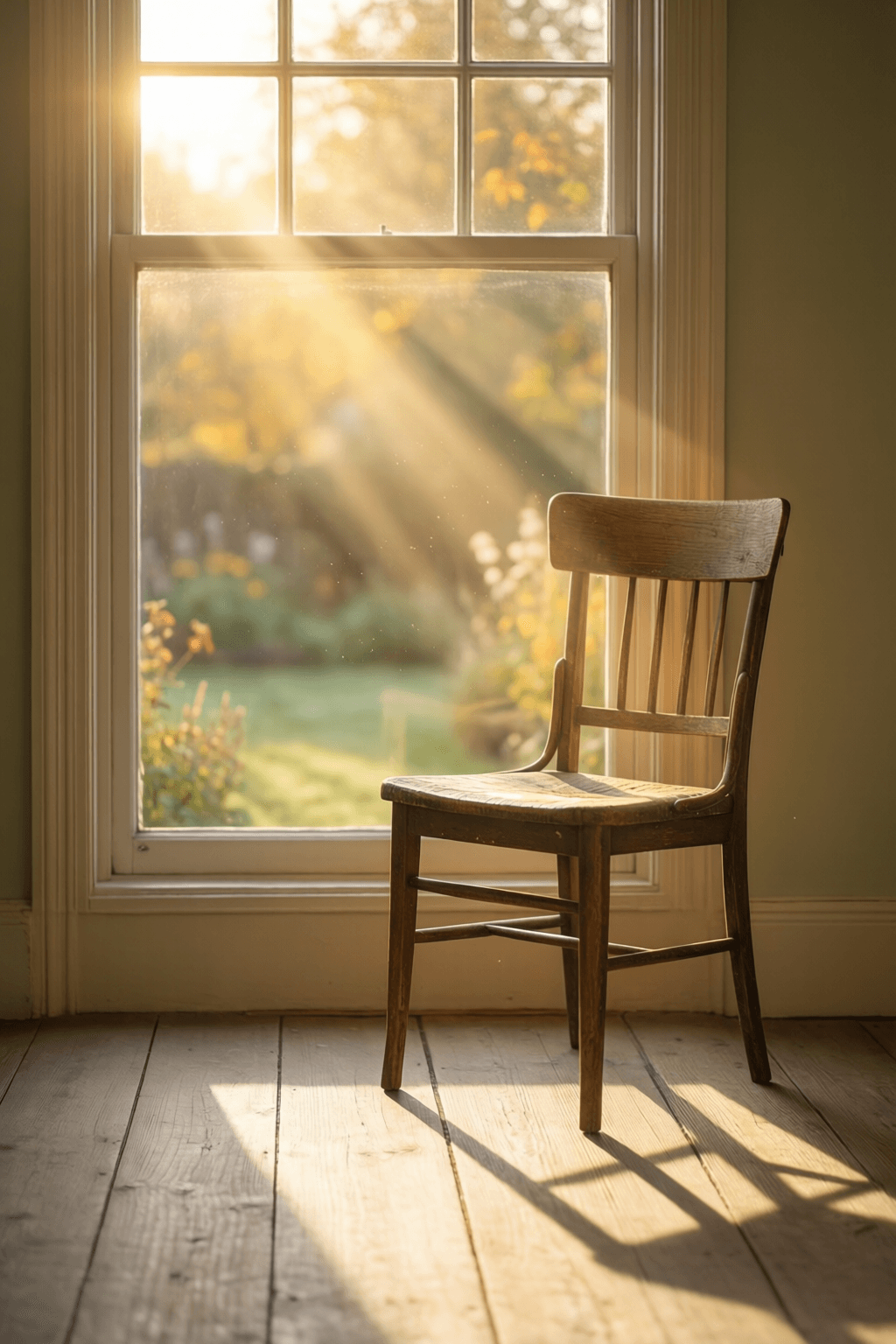
In the right light, at the right time, everything is extraordinary. — Aaron Rose
—What lingers after this line?
A Moment-Dependent Wonder
Aaron Rose’s line suggests that extraordinariness is not always a fixed quality lodged inside rare objects or grand events. Instead, it emerges through a meeting of circumstance, attention, and feeling: the right light, the right time, and suddenly the familiar appears renewed. In that sense, the quote shifts wonder away from spectacle and toward perception. From this starting point, the saying becomes less about chasing exceptional experiences and more about learning to notice them. A quiet street at dusk, a tired face softened by morning sun, or an ordinary conversation remembered years later can all become luminous when conditions align.
The Power of Perspective
Seen more closely, “the right light” works both literally and metaphorically. Literal light changes shape, color, and texture; photographers have long prized the “golden hour” because common scenes suddenly gain depth and tenderness. Metaphorically, however, light also means understanding: when our mood, memory, or maturity changes, the same life can look entirely different. Consequently, Rose’s thought echoes Marcel Proust’s meditation in In Search of Lost Time (1913–1927), where ordinary sensations unlock immense emotional worlds. What changes is not only the object before us, but the consciousness with which we meet it.
Time as the Hidden Ingredient
Just as light transforms what we see, timing transforms what we value. Something ignored in one season of life may become precious in another: advice once dismissed suddenly feels profound, or a routine family dinner becomes sacred after loss. The quote recognizes that meaning often ripens belatedly. This idea appears in Japanese aesthetics as well, especially in wabi-sabi, which finds beauty in transience and imperfection. In the right moment, a cracked cup or a weathered doorway carries more emotional force than anything polished and new. Thus, extraordinariness often depends on timing as much as on beauty itself.
Everyday Life Re-enchanted
As the thought expands, it gently argues against the modern habit of overlooking daily life while waiting for something bigger. If everything can become extraordinary, then the overlooked materials of existence—errands, silence, passing weather, familiar rooms—are not empty intervals between meaningful moments. They are the very places where meaning appears. Here the quote aligns with artists like William Carlos Williams, whose poetry in Spring and All (1923) locates intensity in ordinary objects and scenes. Rose similarly implies that astonishment is available now, provided we bring the patience to see what habit usually conceals.
An Invitation to Attention
Ultimately, the line reads as both observation and instruction. It tells us that the world is richer than our first glance suggests, yet it also asks something of us: attentiveness. The extraordinary does not always announce itself loudly; often it waits for a pause, a shift in angle, or a more receptive state of mind. For that reason, Rose’s quote carries a quiet ethical force. It encourages gratitude, presence, and humility before the ordinary world. Rather than demanding a different life, it proposes a different way of seeing this one—and through that change, everything begins to shine.
Recommended Reading
As an Amazon Associate, we earn from qualifying purchases.
One-minute reflection
What does this quote ask you to notice today?
Related Quotes
6 selectedIf you want to move forward, you must first give yourself permission to stand still. Perspective is often the result of stopping long enough to actually see. — Alain de Botton
Alain de Botton
At first glance, Alain de Botton’s line seems contradictory: how can standing still help us move forward? Yet that tension is precisely his point.
Read full interpretation →Stop looking for the lens. Be the prism. — Shaan Puri
Shaan Puri
At first glance, Shaan Puri’s line overturns a common habit: waiting for the right lens through which to view the world. A lens implies borrowed perspective, something external that clarifies reality for us.
Read full interpretation →To the river, the stone is an obstacle; to the stone, the river is erosion. Perspective births both truth and conflict. — Monika Ajay Kaul
Monika Ajay Kaul
Monika Ajay Kaul’s image of the river and the stone immediately turns a simple natural scene into a meditation on perception. To the river, the stone interrupts motion; to the stone, the river slowly wears away form.
Read full interpretation →Reflect upon your present blessings, of which every man has plenty; not on your past misfortunes, of which all men have some. — Charles Dickens
Charles Dickens
At its heart, Dickens’s sentence asks for a deliberate shift in attention. Rather than denying pain, he urges us to look first at the blessings still present in our lives, however ordinary they may seem.
Read full interpretation →Perspective is the ability to see the bigger picture rather than being focused on the immediate pain. — Robert Greene
Robert Greene
Robert Greene’s line begins with a simple but demanding claim: perspective is not the denial of pain, but the capacity to place pain within a wider frame. In other words, the moment may hurt intensely, yet it does not al...
Read full interpretation →It is a narrow mind which cannot look at a subject from various points of view. — George Eliot
George Eliot
George Eliot’s remark immediately frames narrowness not as a lack of intelligence, but as a failure of perspective. To look at only one side of a subject is to confuse partial vision with complete understanding.
Read full interpretation →More From Author
More from Aaron Rose →