
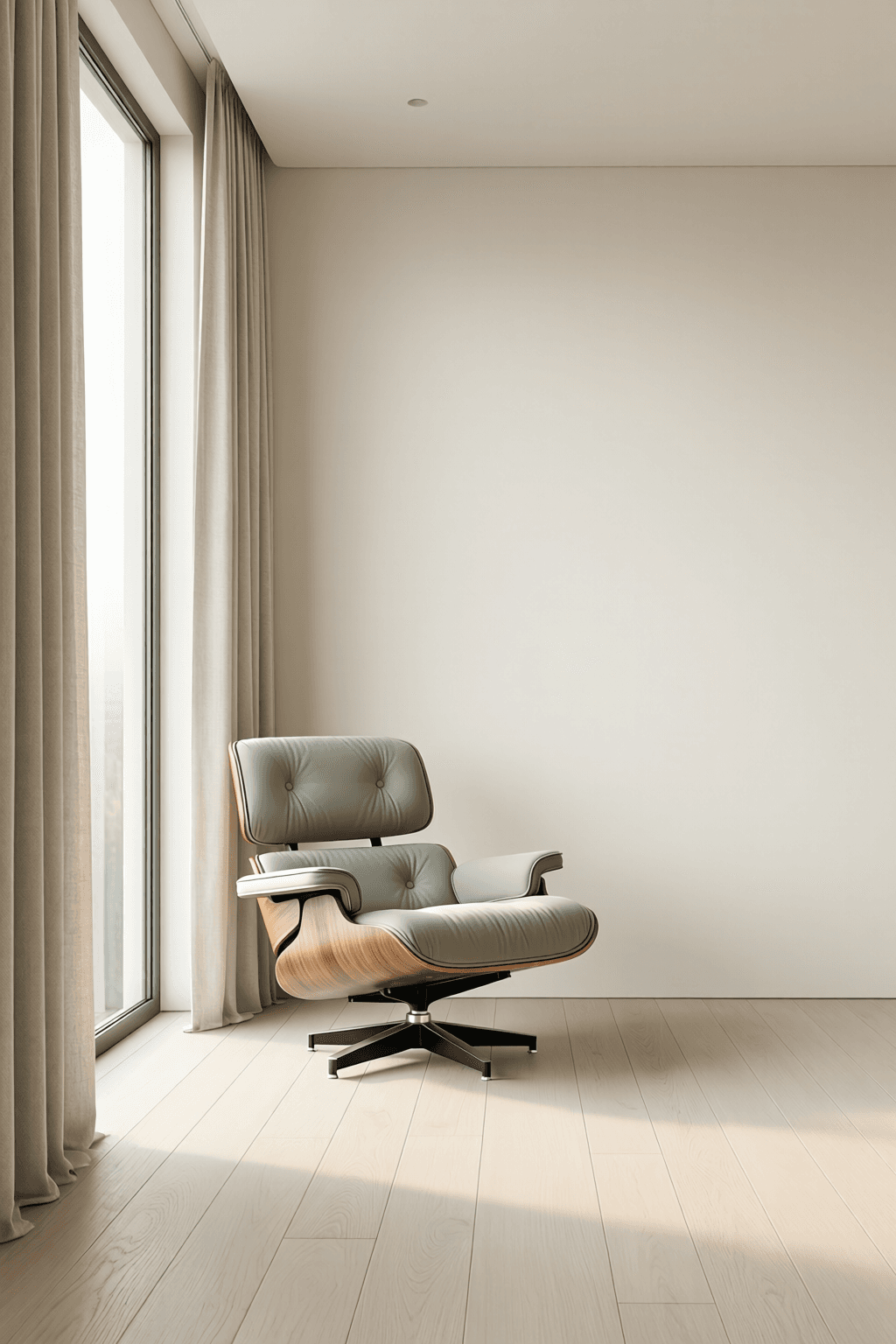
True luxury is not about more; it is about the space to breathe and the peace to simply be. — Marie Kondo
—What lingers after this line?
Redefining What Luxury Means
Marie Kondo’s quote quietly overturns a common assumption: luxury is not endless accumulation, but relief from excess. Rather than linking wealth to possession, she associates it with spaciousness, calm, and the rare ability to exist without constant pressure. In that sense, luxury becomes less a display for others and more an inner condition. This shift matters because modern consumer culture often equates abundance with success. Kondo, however, suggests that having more can actually crowd the mind and the home. By contrast, the freedom to breathe and simply be feels luxurious precisely because it is increasingly scarce.
The Emotional Weight of Clutter
From this redefinition, it naturally follows that clutter is not merely physical; it can also be psychological. Overfilled rooms, packed schedules, and endless digital notifications all compete for attention, creating a subtle but persistent sense of strain. What looks like abundance on the surface may therefore feel like suffocation in daily life. Researchers in environmental psychology have often noted links between cluttered environments and elevated stress, and UCLA’s Center on Everyday Lives of Families (2012) documented how household disorder can heighten tension at home. Kondo’s insight speaks directly to this experience: peace begins when unnecessary burdens are removed.
Space as a Form of Freedom
Once clutter is seen as a burden, space begins to appear not as emptiness but as possibility. A clear room offers movement, thought, and rest; similarly, a clear schedule leaves room for reflection, spontaneity, and genuine presence. In this way, space becomes a practical expression of freedom rather than a lack of something. This idea echoes older philosophical traditions as well. Laozi’s Tao Te Ching (c. 4th century BC) praises the usefulness of what is empty, noting that a vessel works because of the hollow within it. Kondo’s statement carries that same wisdom into contemporary life: what we leave open may serve us more deeply than what we fill.
The Peace of Simply Being
Beyond physical space lies an even deeper promise in the quote: the peace to simply be. That phrase resists a culture built on constant optimization, where people are often valued for productivity rather than presence. Kondo points instead toward a gentler ideal, one in which rest, stillness, and self-acceptance are not indulgences but necessities. Seen this way, true luxury includes freedom from performance. It is the experience of sitting in a quiet room without urgency, or spending an afternoon unmeasured by output. As philosophers from Epicurus to modern mindfulness teachers have suggested, a good life may depend less on achieving more than on learning to inhabit the present with ease.
Minimalism with a Human Purpose
Accordingly, Kondo’s words should not be reduced to a design trend or a call for sterile minimalism. The goal is not emptiness for its own sake, but a life arranged around what genuinely supports well-being. Her broader philosophy, popularized in The Life-Changing Magic of Tidying Up (2011), asks people to keep what resonates and release what does not. That distinction is important because meaningful simplicity is personal. A musician may treasure a room full of instruments, while another person may feel richest with only a few cherished objects. The underlying principle remains the same: luxury emerges when one’s environment creates calm, not congestion.
A Quiet Critique of Modern Success
Finally, the quote offers a subtle critique of how success is commonly imagined. Bigger homes, fuller calendars, and constant acquisition are often treated as markers of achievement, yet they can leave little room for serenity. Kondo challenges that model by suggesting that the finest privilege may be unhurried living and mental clarity. This perspective resonates strongly in an age of burnout. Increasingly, people aspire not only to own more, but to reclaim time, attention, and equilibrium. In that context, her definition of luxury feels both radical and humane: the richest life may be the one spacious enough to allow peace.
Recommended Reading
As an Amazon Associate, we earn from qualifying purchases.
One-minute reflection
What's one small action this suggests?
Related Quotes
6 selectedTo find peace, one must learn to curate their surroundings until the walls around them reflect the calm they seek within. — Marie Kondo
Marie Kondo
At first glance, Marie Kondo’s insight seems to focus on tidying a room, yet it reaches much further into the relationship between environment and emotion. She suggests that peace is not found only through inward reflect...
Read full interpretation →True luxury is not about excess, but the absence of stress and the presence of soul in your surroundings. — Jane Austen
Jane Austen
At first glance, luxury is often associated with abundance, ornament, and visible wealth. Yet this quote reframes the idea entirely, suggesting that genuine richness lies not in excess but in relief: a life with less str...
Read full interpretation →If you really want to escape the things that harass you, what you're needing is not to be in a different place but to be a different person. — Seneca
Seneca
Seneca’s remark shifts the idea of escape away from geography and toward character. At first glance, we often imagine that a new city, job, or routine will free us from anxiety, resentment, or restlessness.
Read full interpretation →Solace is found not by rearranging the circumstances of your life but by realizing who you are at the deepest level. — Elizabeth Gilbert
Elizabeth Gilbert
Elizabeth Gilbert’s sentence begins by gently rejecting a common assumption: that peace arrives once life is reorganized into a more favorable shape. We often imagine solace waiting on the other side of a new job, a diff...
Read full interpretation →The entrance door to the sanctuary is inside you. — Stephen Levine
Stephen Levine
Stephen Levine’s line turns the idea of sanctuary inward, suggesting that refuge is not primarily a place we travel to but a condition we awaken within ourselves. At first glance, the image is simple: a door leading to s...
Read full interpretation →The mind is a sanctuary of calm thoughts, and you hold the keys. You are the architect of your own inner peace. — Akiroq Brost
Akiroq Brost
At its core, Akiroq Brost’s quote imagines the mind not as a battlefield but as a sanctuary—a protected space where calm thoughts can dwell. This metaphor immediately shifts responsibility inward: peace is not merely fou...
Read full interpretation →More From Author
More from Marie Kondo →