
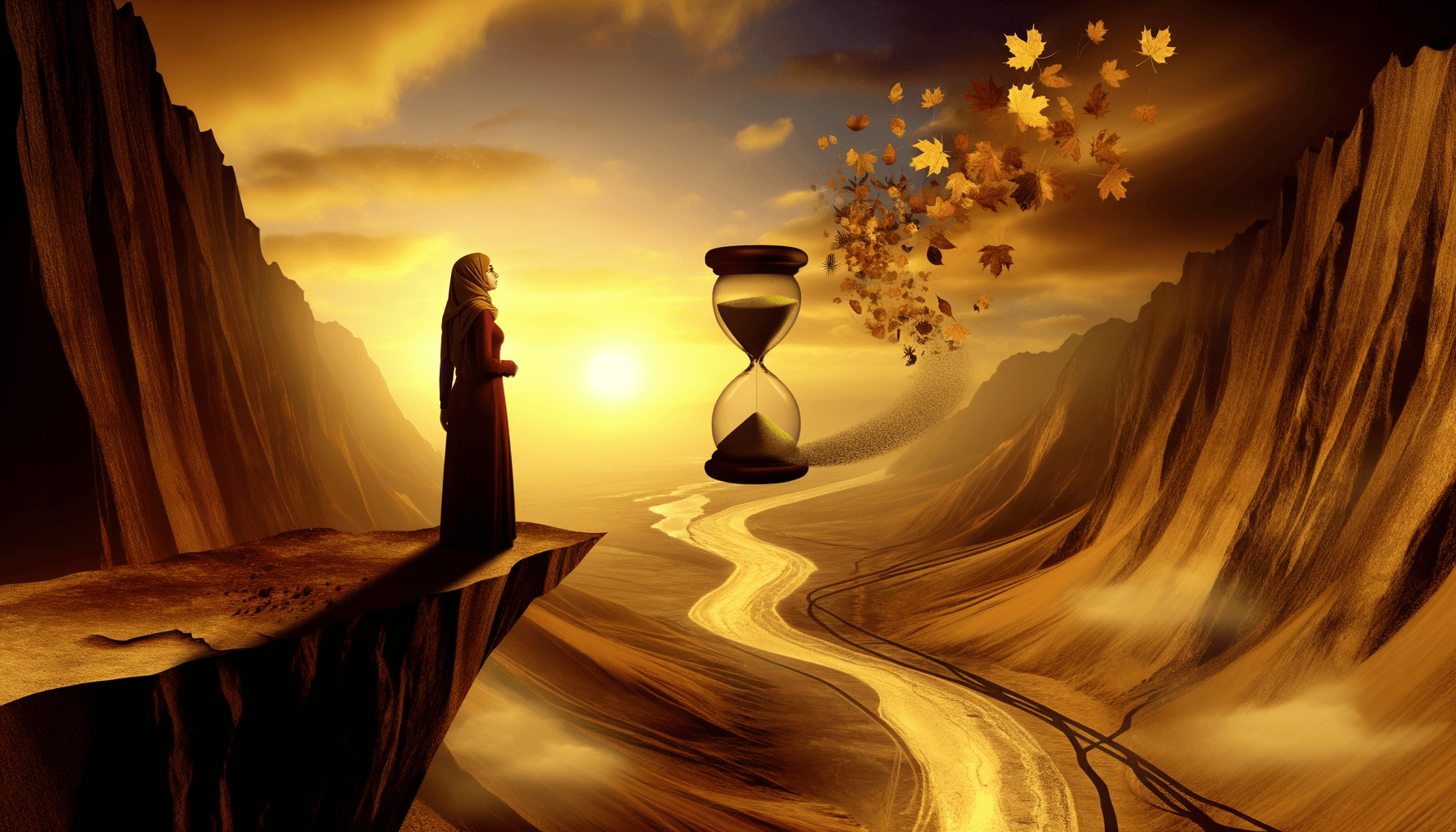
Act in such a way that your actions would make a great deal of sense even if you were to die tomorrow. — Seneca
—What lingers after this line?
Living with Purpose
Seneca encourages us to act with intention and clarity, ensuring that our choices align with values and principles that remain meaningful even in the face of mortality.
Mindfulness and Presence
This quote serves as a reminder to live in the present and perform actions that have real significance, rather than being distracted by trivial concerns.
Memento Mori – The Philosophy of Death Awareness
As a Stoic philosopher, Seneca often reflected on the brevity of life. Recognizing that death could come at any moment should motivate individuals to live virtuously and make thoughtful decisions.
Legacy and Impact
By acting in a way that remains justifiable even beyond death, we create a legacy of integrity and wisdom, ensuring that our actions contribute to something meaningful.
Freedom from Regret
If we live each day conscientiously, we reduce regrets and ensure that our actions align with our purpose and morals, making life more fulfilling.
Recommended Reading
As an Amazon Associate, we earn from qualifying purchases.
One-minute reflection
What's one small action this suggests?
Related Quotes
6 selectedWe have two lives, and the second begins when we realize we only have one. — Confucius
Confucius
The saying frames human life as having two phases: the first lived on autopilot, and the second sparked by a shock of clarity. It isn’t that we literally receive another lifetime; rather, we begin to live differently onc...
Read full interpretation →It is not death that a man should fear, but he should fear never beginning to live. — Marcus Aurelius
Marcus Aurelius
Marcus Aurelius turns a common human anxiety on its head: instead of dreading death, he urges us to fear a life never truly lived. In his *Meditations* (c.
Read full interpretation →What progress have I made? I have begun to be a friend to myself. — Seneca
Seneca
At first glance, Seneca’s line shifts the idea of progress away from status, wealth, or public praise and toward an inner achievement. To say, “I have begun to be a friend to myself,” suggests that real development start...
Read full interpretation →What you do today is the most important thing, for you are trading a day of your life for it. — Seneca
Seneca
At its core, Seneca’s line reframes time as something spent rather than merely passed. Each day is not an abstract unit on a calendar but a portion of life irreversibly traded for whatever fills it.
Read full interpretation →If you really want to escape the things that harass you, what you're needing is not to be in a different place but to be a different person. — Seneca
Seneca
Seneca’s remark shifts the idea of escape away from geography and toward character. At first glance, we often imagine that a new city, job, or routine will free us from anxiety, resentment, or restlessness.
Read full interpretation →Authentic power is not about controlling the world around you, but governing the inner landscape of your own reactions. — Seneca
Seneca
At first glance, Seneca overturns the usual definition of power. Rather than equating strength with influence, status, or command over others, he locates true authority within the self.
Read full interpretation →More From Author
More from Seneca →What progress have I made? I have begun to be a friend to myself. — Seneca
At first glance, Seneca’s line shifts the idea of progress away from status, wealth, or public praise and toward an inner achievement. To say, “I have begun to be a friend to myself,” suggests that real development start...
Read full interpretation →What you do today is the most important thing, for you are trading a day of your life for it. — Seneca
At its core, Seneca’s line reframes time as something spent rather than merely passed. Each day is not an abstract unit on a calendar but a portion of life irreversibly traded for whatever fills it.
Read full interpretation →If you really want to escape the things that harass you, what you're needing is not to be in a different place but to be a different person. — Seneca
Seneca’s remark shifts the idea of escape away from geography and toward character. At first glance, we often imagine that a new city, job, or routine will free us from anxiety, resentment, or restlessness.
Read full interpretation →Authentic power is not about controlling the world around you, but governing the inner landscape of your own reactions. — Seneca
At first glance, Seneca overturns the usual definition of power. Rather than equating strength with influence, status, or command over others, he locates true authority within the self.
Read full interpretation →