
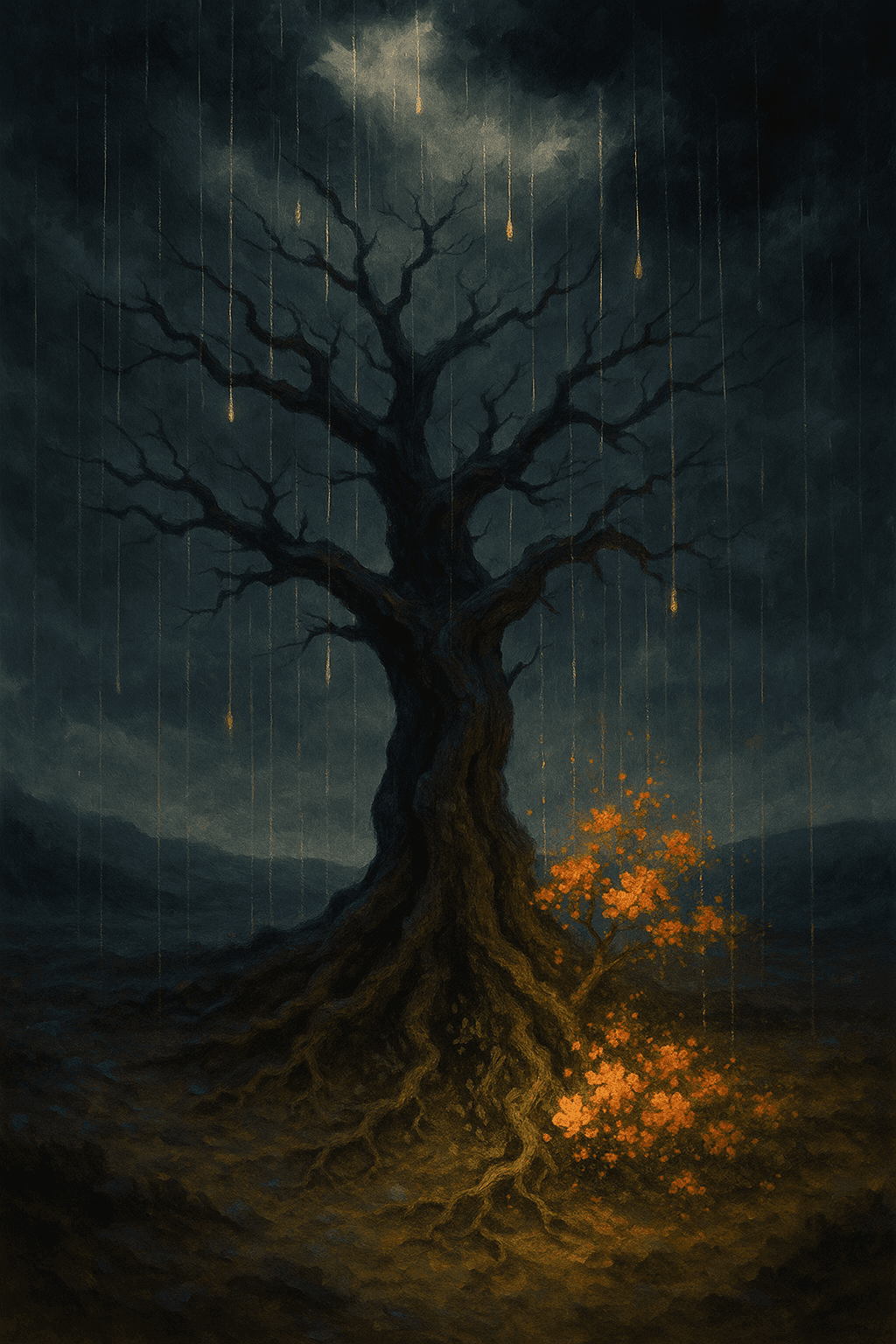
He who learns must suffer. And even in our sleep, pain that cannot forget falls drop by drop upon the heart. — Aeschylus
—What lingers after this line?
Learning Through Suffering
The quote emphasizes that true knowledge and wisdom are often gained through painful experiences.
Enduring Pain
It highlights that suffering is an inescapable and ongoing part of human life, even affecting us subconsciously during sleep.
Lasting Impact of Pain
Describes how unforgettable pain leaves a lasting mark, slowly and persistently influencing the heart and mind.
Growth from Hardship
Suggests that hardship is not meaningless, but rather a source of growth, empathy, and understanding.
Ancient Greek Tragedy Context
Reflects the themes of fate, suffering, and the human condition that were central in Aeschylus’s work and Ancient Greek tragedy.
One-minute reflection
What does this quote ask you to notice today?
Related Quotes
6 selectedWisdom comes alone through suffering. — Aeschylus
Aeschylus
Aeschylus, hailed as the father of Greek tragedy, captured in one phrase a sentiment deeply rooted in classical culture: that suffering is a prerequisite for genuine wisdom. His tragedies, such as those found in the Ores...
Read full interpretation →The present changes the past. Looking back you do not find what you left behind. — Kiran Desai
Kiran Desai
At first glance, Desai’s line seems paradoxical, yet it captures a basic truth about human memory: the past is not stored inside us like a sealed archive. Instead, each act of remembering rebuilds events through the lens...
Read full interpretation →When you learn how to suffer, you suffer far less. Resilience is not about avoiding the fire; it is about becoming fireproof. — Thich Nhat Hanh
Thich Nhat Hanh
At first glance, Thich Nhat Hanh’s quote appears paradoxical: how could learning to suffer make suffering lighter? Yet his point is that pain intensifies when we resist it, fear it, or treat it as a personal failure.
Read full interpretation →The most important milestones are the ones that come to the door of memory unannounced, stray dogs that amble in, sniff around a bit and simply never leave. — Susan B. Anthony
Susan B. Anthony
Susan B. Anthony reframes the idea of a milestone by shifting attention away from public achievements and toward the private moments that linger unexpectedly.
Read full interpretation →When we resist change, it's called suffering. But when we can completely let go and not struggle against it, that's called enlightenment. — Pema Chödrön
Pema Chödrön
Pema Chödrön’s quote begins with a stark insight: suffering often arises not simply from pain or loss, but from our refusal to accept that life is constantly shifting. We want relationships, identities, and circumstances...
Read full interpretation →Do not envy those who are free of suffering... because they have nothing that needs cultivation. — C.G. Jung
C.G. Jung
At first glance, Jung’s statement sounds severe, even paradoxical: why should anyone avoid envying a life without suffering? Yet his point is not that pain is good in itself, but that difficulty often exposes the parts o...
Read full interpretation →More From Author
More from Aeschylus →From a small seed, a mighty trunk may grow. — Aeschylus
This quote emphasizes the potential for growth and development from humble beginnings. It suggests that even something small and seemingly insignificant can grow into something powerful and influential.
Read full interpretation →Act with intention, for every action shapes the world. — Aeschylus
This quote emphasizes the importance of acting with purpose and awareness. Every decision and deed has consequences that extend beyond the individual, influencing the world around them.
Read full interpretation →Wisdom comes alone through suffering. — Aeschylus
Aeschylus, hailed as the father of Greek tragedy, captured in one phrase a sentiment deeply rooted in classical culture: that suffering is a prerequisite for genuine wisdom. His tragedies, such as those found in the Ores...
Read full interpretation →