
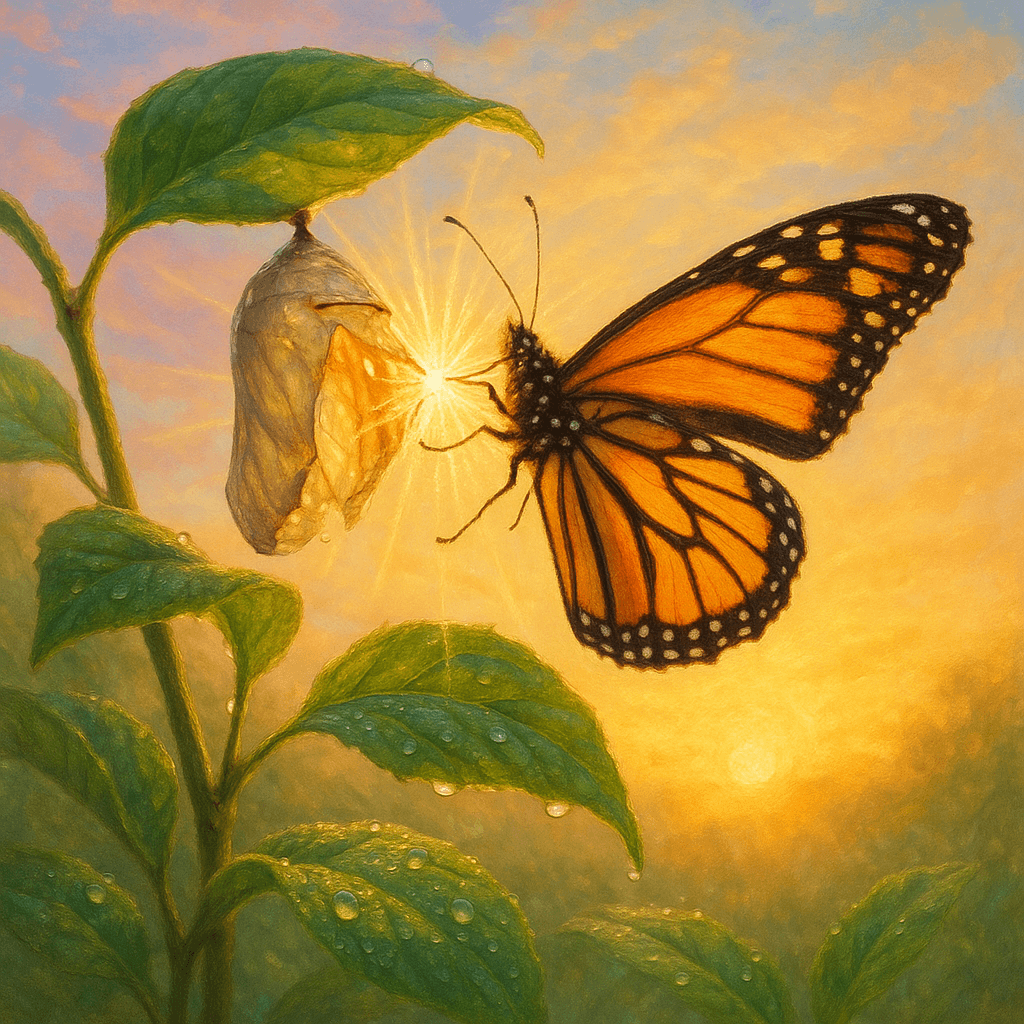
To translate a moment into meaning—that is art. — Marilynne Robinson
—What lingers after this line?
Art as Interpretation
This quote suggests that art involves interpreting and transforming fleeting experiences or moments into something meaningful and lasting.
Significance of Moments
It emphasizes that even an ordinary moment can be elevated through artistic expression.
Artist’s Role
It highlights the artist’s ability to see meaning beyond the immediate and to convey deeper truths.
The Creative Process
The quote points to the creative act as one of translation — moving from raw experience to structured, meaningful expression.
Subjectivity of Meaning
It also suggests that meaning is not inherent in the moment itself but created through artistic engagement and interpretation.
One-minute reflection
What feeling does this quote bring up for you?
Related Quotes
6 selectedThe artist is not a solid, static being. The artist is fluid, like water, moving with the tides and changing form. — James McCrae
James McCrae
James McCrae’s image of the artist as fluid immediately challenges the common idea that creative people possess a single, fixed essence. Instead, he suggests that artistry is a process of becoming, not a stable condition...
Read full interpretation →The artist works by locating the world in himself. — Gertrude Stein
Gertrude Stein
At first glance, Gertrude Stein’s line suggests that art does not begin with the outer world alone, but with the artist’s inner ability to absorb and reinterpret it. To ‘locate the world in himself’ means that experience...
Read full interpretation →The artist must be a master of what he rejects. — Carlos Fuentes
Carlos Fuentes
At first glance, Carlos Fuentes’s remark suggests that artistic refusal is not mere negation but an act of deep knowledge. An artist earns the right to reject a style, convention, or influence only after understanding it...
Read full interpretation →The artist's duty is to stay in the fire, to keep the question alive long after the answers have gone cold. — Adrienne Rich
Adrienne Rich
Adrienne Rich presents the artist not as a maker of neat conclusions, but as someone willing to remain inside uncertainty. The image of “staying in the fire” suggests discomfort, risk, and sustained attention; in other w...
Read full interpretation →The artist must elect to fight for the beauty of the work, stitch by patient stitch, against the rush of the world. — Ursula K. Le Guin
Ursula K. Le Guin
Ursula K. Le Guin’s line begins with a deliberate verb: the artist must “elect.” In other words, beauty is not an accident or a luxury but a conscious choice made in resistance to haste.
Read full interpretation →The artist is a witness to the present moment, not a slave to the machine that wants to replace it. — bell hooks
bell hooks
At its core, bell hooks’s statement insists that art begins with presence. To be a witness to the present moment is to attend closely to lived reality—its tensions, beauties, wounds, and contradictions—rather than merely...
Read full interpretation →More From Author
More from Marilynne Robinson →