#Artistic Expression
Quotes tagged #Artistic Expression
Quotes: 19

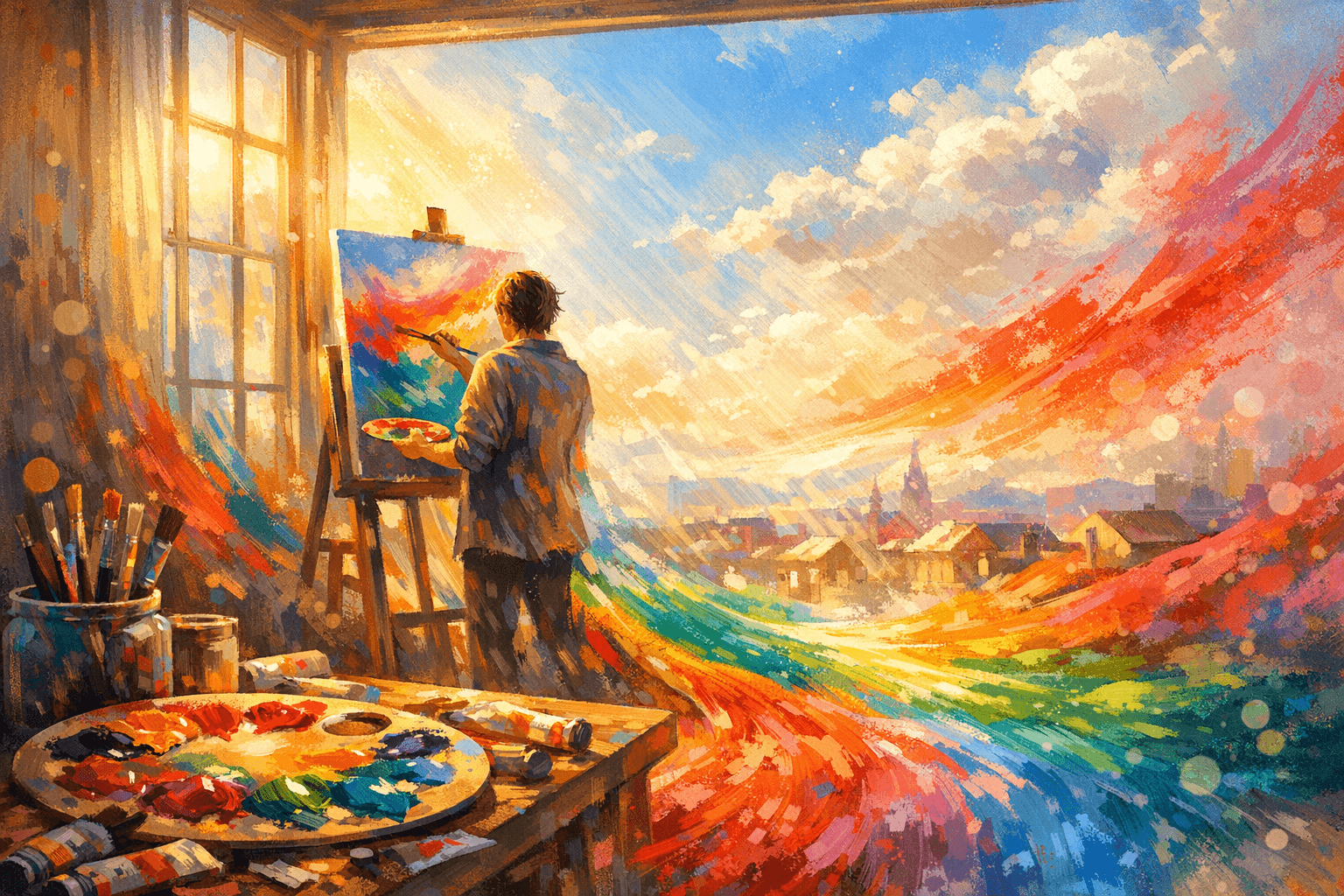
Painting Life With Fearless, Lived-In Color
Finally, the quote becomes most useful when translated into a habit: choose one “color” each day and apply it on purpose. That color might be curiosity (ask better questions), courage (submit the work), tenderness (repair a relationship), or experimentation (do it a new way). The point is not perfection but deliberate application. Over time, you end up with a life that looks lived-in rather than merely managed. By repeatedly choosing fearless strokes, you don’t just decorate your days—you author them, creating a personal palette that reflects who you are and who you’re becoming. [...]
Created on: 12/31/2025

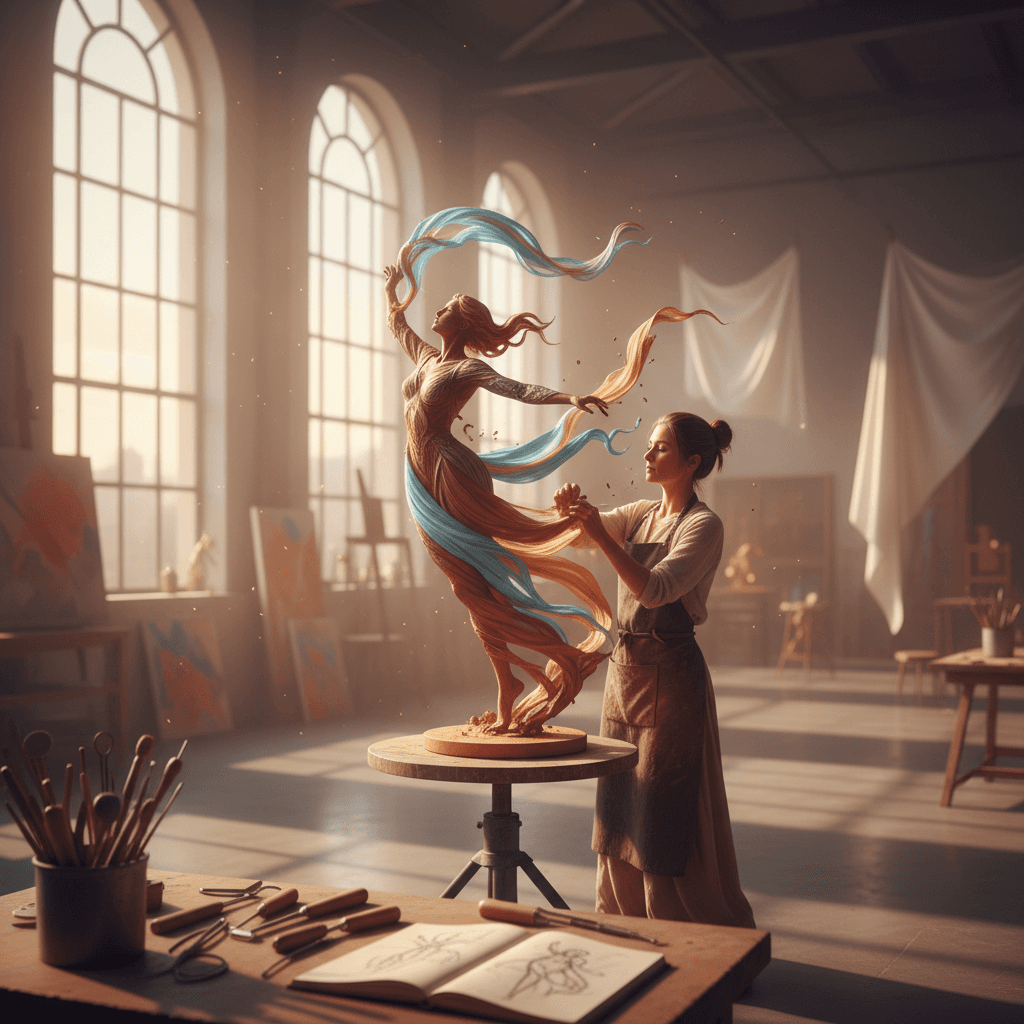
Sculpting Meaning from Life’s Constant Motion
Once meaning is tied to motion, iteration becomes essential. A sculptor rarely arrives at the final form in one pass; the work evolves through trial, correction, and renewed vision. Picasso’s own career illustrates this: the continual reinvention across Blue Period works (1901–1904), Cubism with Georges Braque (c. 1907–1914), and later experiments suggests an identity built through repeated making rather than fixed certainty. Consequently, the quote encourages creative courage—treating mistakes as material. If motion includes missteps, then errors are not proof of failure but part of the medium. The task is to keep shaping, letting the process educate the maker. [...]
Created on: 12/28/2025

Turning Struggle Into Art for the World
The quote also elevates craft over impulse. Struggle is often chaotic; art requires decisions—what to include, what to omit, where to begin, when to stop. By recommending art as the response, Paz implies that dignity is preserved through discipline: the maker sets the terms of the exchange. This is why the line resonates beyond the arts. A scientist might turn frustration into a careful paper; an activist might turn anger into a speech with structure and strategy. In each case, the world receives something usable and clarifying, while the individual retains authorship over their narrative. [...]
Created on: 12/18/2025

Begin Boldly, Then Write Without Fear
“Then write without fear” turns courage into process rather than a single heroic act. Fear tends to demand guarantees—approval, certainty, immunity from regret—yet writing, like living, rarely supplies them. Dickinson’s sequence matters: after a bold start, you keep going even while doubt persists, trusting that clarity is often produced by motion, not by waiting. This resonates with how many artists and thinkers describe their work: first draft, first attempt, first conversation—imperfect but real. Anne Lamott’s Bird by Bird (1994) popularized the idea of “shitty first drafts,” capturing the same spirit Dickinson implies: permission to proceed without needing to be flawless. [...]
Created on: 12/15/2025

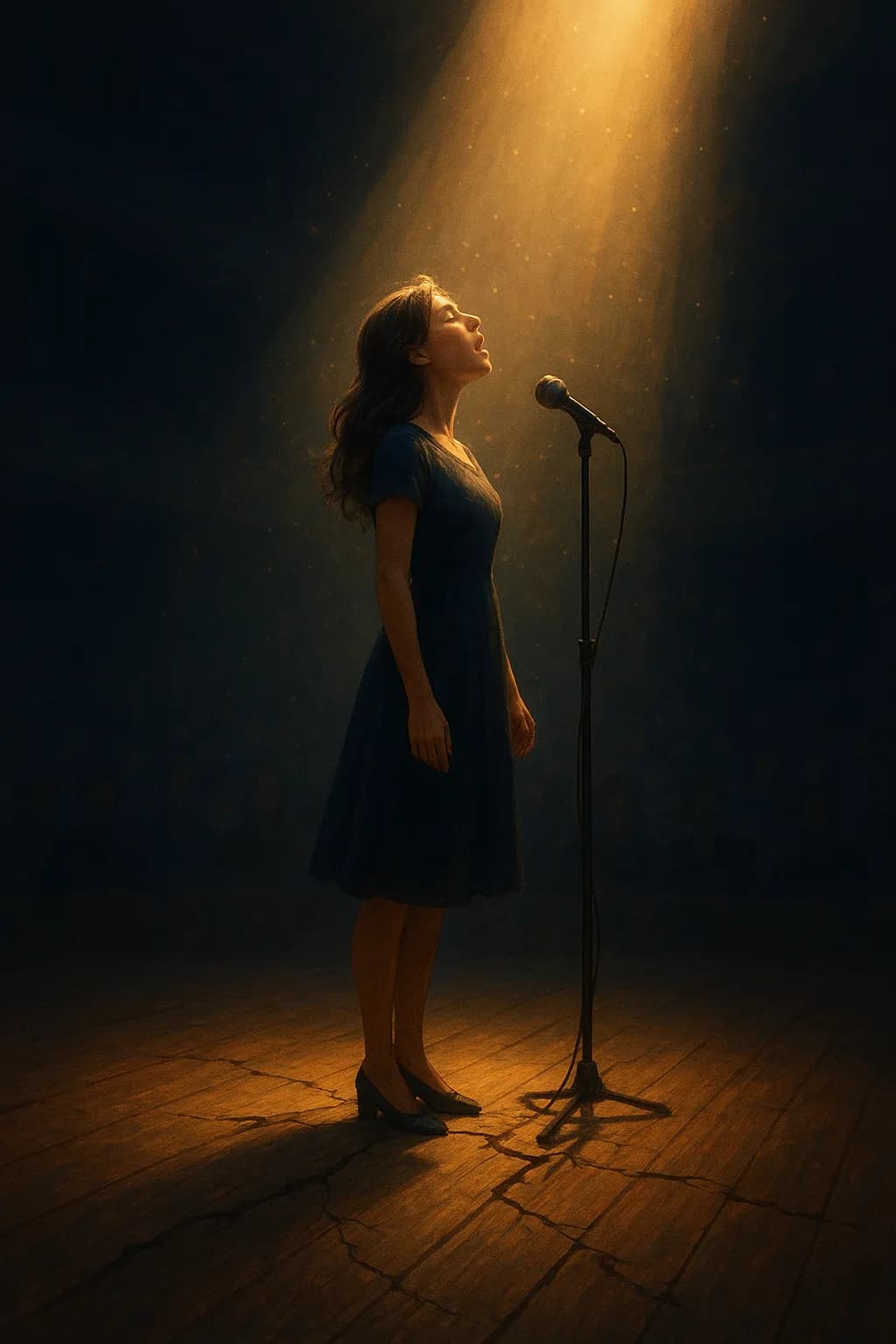
Singing Through Fear When The Ground Shakes
Ultimately, the quote suggests that the trembling of the stage and the resonance of the song are intertwined. Anxiety and possibility share the same ground; the vibrations that make you unsteady also carry your voice outward. By choosing to sing anyway, you convert the energy of fear into the very force that amplifies you. In this transformation, Sappho’s imperative becomes both artistic and existential advice: let the shaking floor be part of the music, and allow your unsteady voice to become the sound that steadies you. [...]
Created on: 11/25/2025

Beauty Favors Boldness: Singing And Living Courage
Greek thought often linked the beautiful (to kalon) with courageous action (andreia). In Plato’s Symposium (178e–179b), Phaedrus argues that lovers become bravest before the beloved’s gaze, implying that beauty rewards valor with honor. Likewise, the parable of Heracles at the Crossroads—retold in Xenophon’s Memorabilia (2.1.21–34)—casts virtue and its difficult path as the truly “beautiful” choice. These scenes echo the maxim’s claim: beauty attends those who dare. Yet Sappho nuances the linkage by focusing on eros and the voice. Rather than trumpet battlefield courage, her lyrics often celebrate the audacity of confession, redirecting glory from spear and shield to syllable and song. [...]
Created on: 11/14/2025

And Those Who Were Seen Dancing Were Thought to Be Insane by Those Who Could Not Hear the Music - Friedrich Nietzsche
Friedrich Nietzsche, a 19th-century German philosopher, often challenged societal norms and conventions. His works frequently explore themes of individuality, existentialism, and the meaning of life, mirroring the essence of this quote. [...]
Created on: 6/6/2024