Tags
#Slow Living
Quotes: 9
Quotes tagged #Slow Living

Slow Philosophy Means Choosing the Right Speed
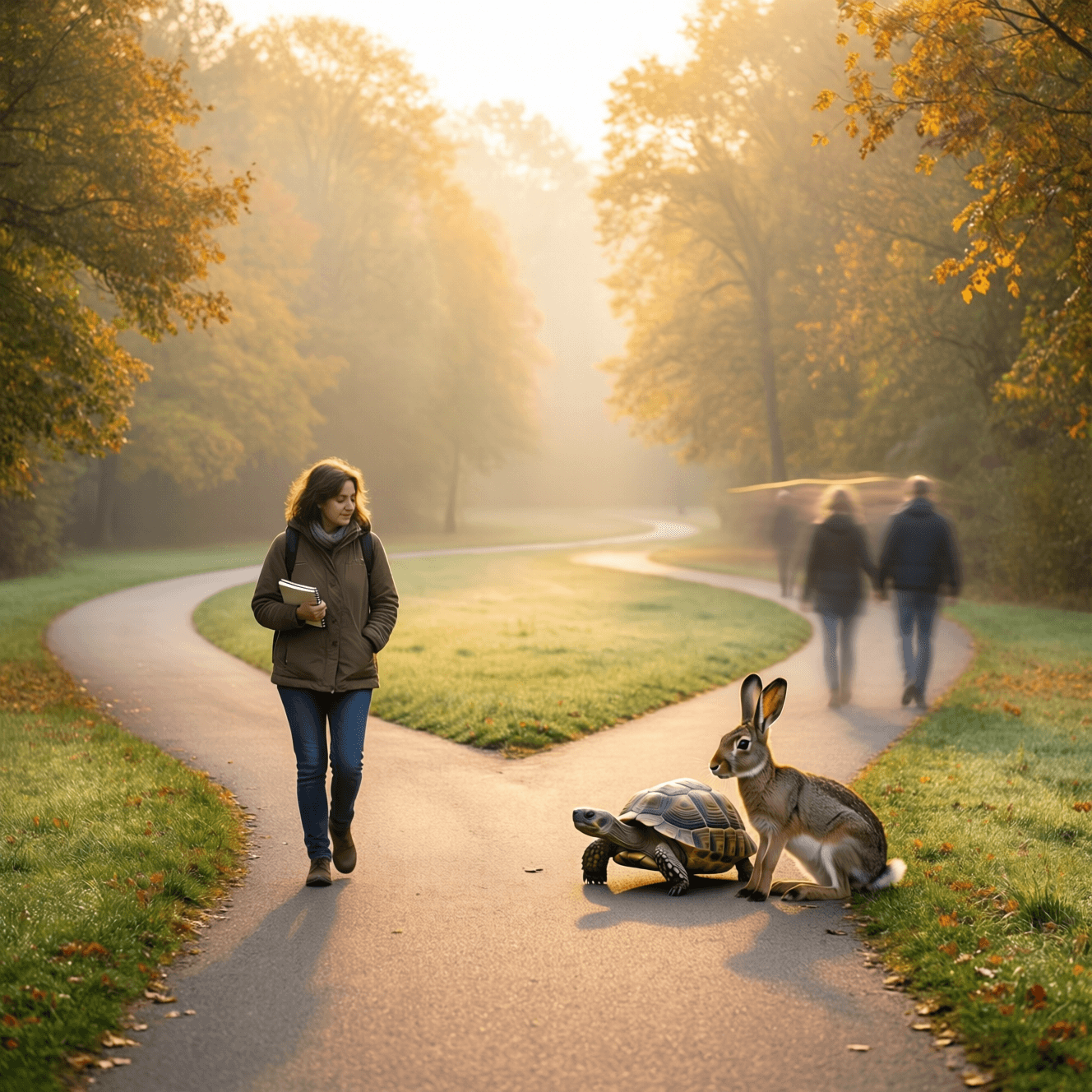
Finally, Honoré’s idea becomes actionable when treated as a recurring question: what pace does this task deserve? Reading a contract, having a difficult conversation, or caring for a child may warrant slowness, while scheduling logistics or clearing routine messages may not. The discipline lies in switching gears deliberately. Over time, this practice can restore a sense of control and reduce the friction of living at one unvarying tempo. Slow philosophy, as Honoré frames it, is ultimately about rhythm: aligning speed with values so that life feels not merely busy or quiet, but appropriately lived. [...]
Created on: 3/7/2026

Slow Living as Resistance to Productivity Culture
Yung Pueblo’s line begins with an observation that can feel almost invisible because it is so normal: modern life often rewards speed, output, and constant availability. From rapid-fire communication to metrics-driven workplaces, time is treated less like lived experience and more like a resource to extract. As a result, slowness is not merely inconvenient—it can appear irresponsible or even suspicious. Yet this is precisely the point. When the default setting of society is acceleration, choosing to move slowly interrupts the expectation that a person’s value is proven through relentless motion. [...]
Created on: 3/1/2026

Slowing Down to Reclaim Connection and Calm
Carl Honoré frames slowing down not as laziness but as a practical recovery of something we constantly lose: usable time. When life is lived at full speed, hours get consumed by deadlines, notifications, and “efficient” multitasking that often leaves little to show beyond fatigue. By easing the pace—doing fewer things with more attention—we regain stretches of time that can be spent deliberately rather than reactively. This reclaimed time matters because it becomes the raw material for everything else Honoré values. Without it, even the desire to connect remains abstract, squeezed into hurried exchanges and half-listening conversations. [...]
Created on: 2/23/2026

Choosing Slow to Reclaim Life’s Rhythm
Carl Honoré’s line challenges the modern assumption that faster is automatically better. Instead of treating urgency as an objective requirement, he frames speed as a choice—one that can be accepted, negotiated, or refused. In that sense, “to be slow” is not a failure to keep up, but a deliberate decision about how you want to live. From this starting point, the quote subtly shifts the conversation from time management to self-governance. It’s less about squeezing more into a day and more about deciding what deserves your attention in the first place. [...]
Created on: 2/22/2026

Learning to Live Slowly and Fully
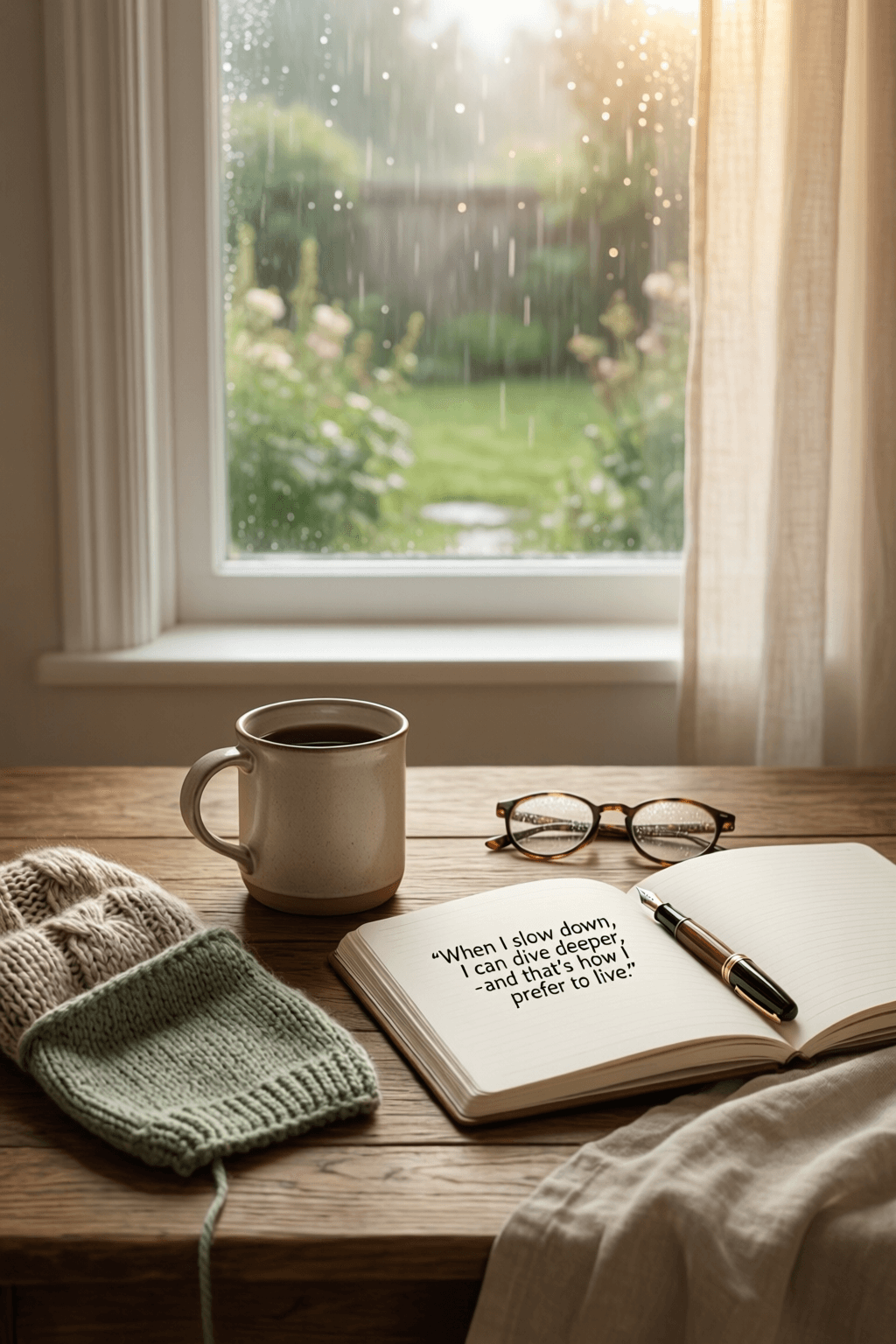
The quote doesn’t reject work; it rejects a certain speed of work. Gilbert frames pace as something we can choose, which challenges the modern assumption that busyness is a moral virtue. “Working at a pace so slow” hints at craftsmanship rather than hustle—doing fewer things, but with enough spaciousness to notice how the doing affects the doer. This reframing naturally leads to a question: if work sets the rhythm of our days, what kind of inner life does that rhythm allow? A slower tempo makes room for reflection, creativity, and even doubt—elements that often get edited out when productivity becomes the primary value. [...]
Created on: 2/13/2026

Why Slowness Becomes Precious in Fast Times
Because speed often serves external demands, slowing down can function as resistance. The “Slow Food” movement, launched by Carlo Petrini in Italy (1986), began as a protest against fast food’s standardization and the loss of local traditions; it reframed eating as culture rather than consumption. In the same way, Walker’s slowness implies choosing depth over efficiency when the two compete. This resistance is also reparative. When people slow their routines—walking without multitasking, taking unhurried meals, leaving space between commitments—they often discover not emptiness but recovery: the mind catches up, feelings become legible, and relationships gain room to breathe. [...]
Created on: 2/2/2026

Rediscovering Presence in a Culture of Speed
The evidence for Taylor’s claim often shows up in ordinary scenes: a meal where phones stay out of reach, a walk without earbuds, a conversation where nobody is rushing to conclude. These moments can feel disproportionately nourishing because they restore continuity—between thought and feeling, between person and person. Even brief “micro-pauses” can have this effect. Waiting for the kettle to boil and simply watching steam rise can reintroduce the nervous system to stillness. From there, connection becomes easier, because you’re no longer arriving at others already fragmented. [...]
Created on: 1/30/2026