Vincent van Gogh
Vincent van Gogh (1853–1890) was a Dutch post-Impressionist painter known for bold colors and expressive brushwork that deeply influenced 20th-century art. He produced over 2,000 artworks, including The Starry Night, and his brother Theo provided crucial support for his career.
Quotes by Vincent van Gogh
Quotes: 27

Wild Curiosity and the First Brushstroke
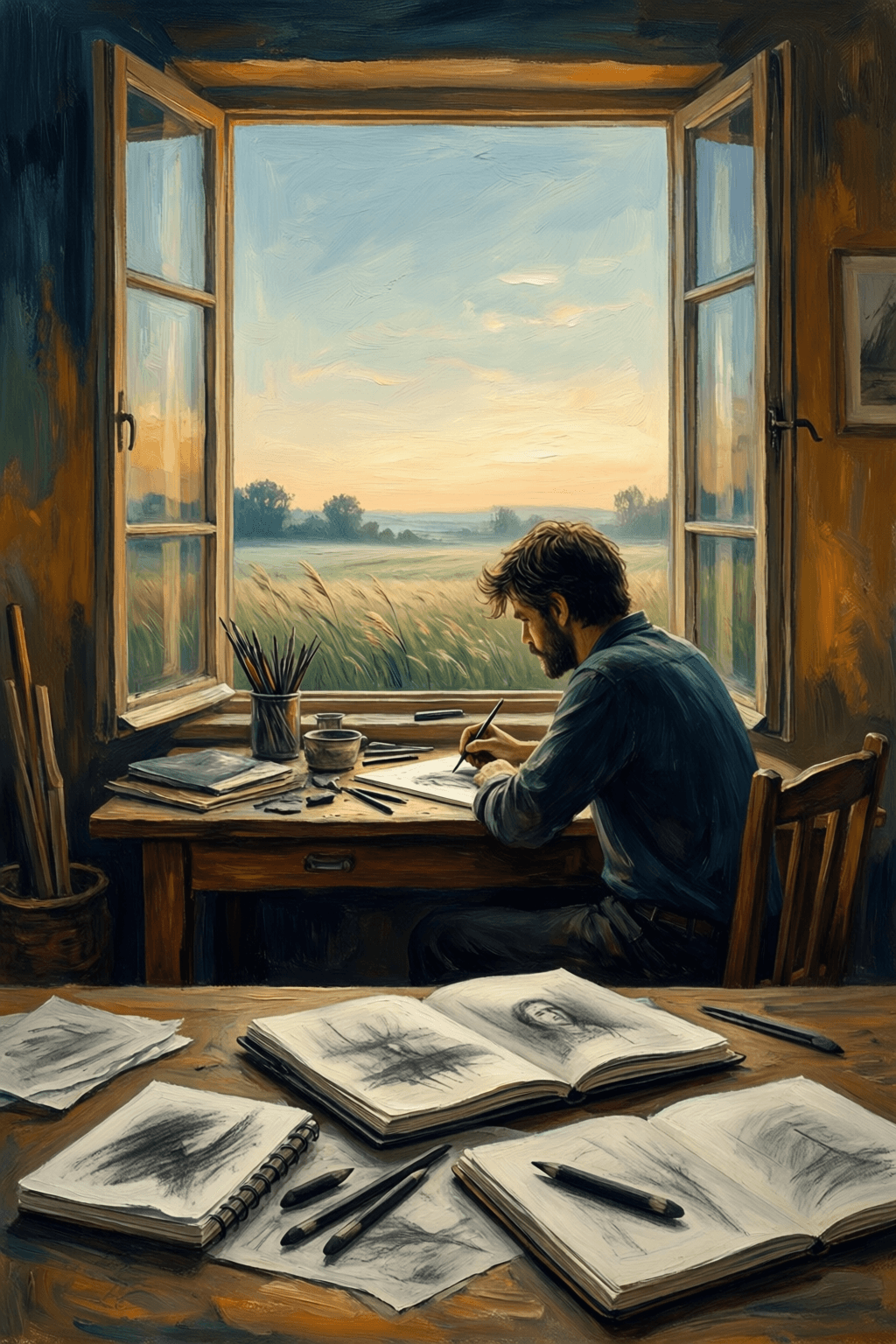
Van Gogh’s line opens by treating curiosity not as a casual interest, but as a way of moving through the world—“wild” enough to break routine perception. Rather than waiting for certainty, the artist begins by wondering, probing, and risking the unfamiliar. In this sense, curiosity becomes the engine that drives creation, because it continually asks what else might be possible. From there, the quote hints that the most important artistic resource is not mastery alone but an active, almost restless attention. When curiosity stays alive, even ordinary subjects can become newly charged, inviting the maker to test fresh colors, angles, and meanings. [...]
Created on: 1/17/2026

Trading Certainty for a Deeper Meaning
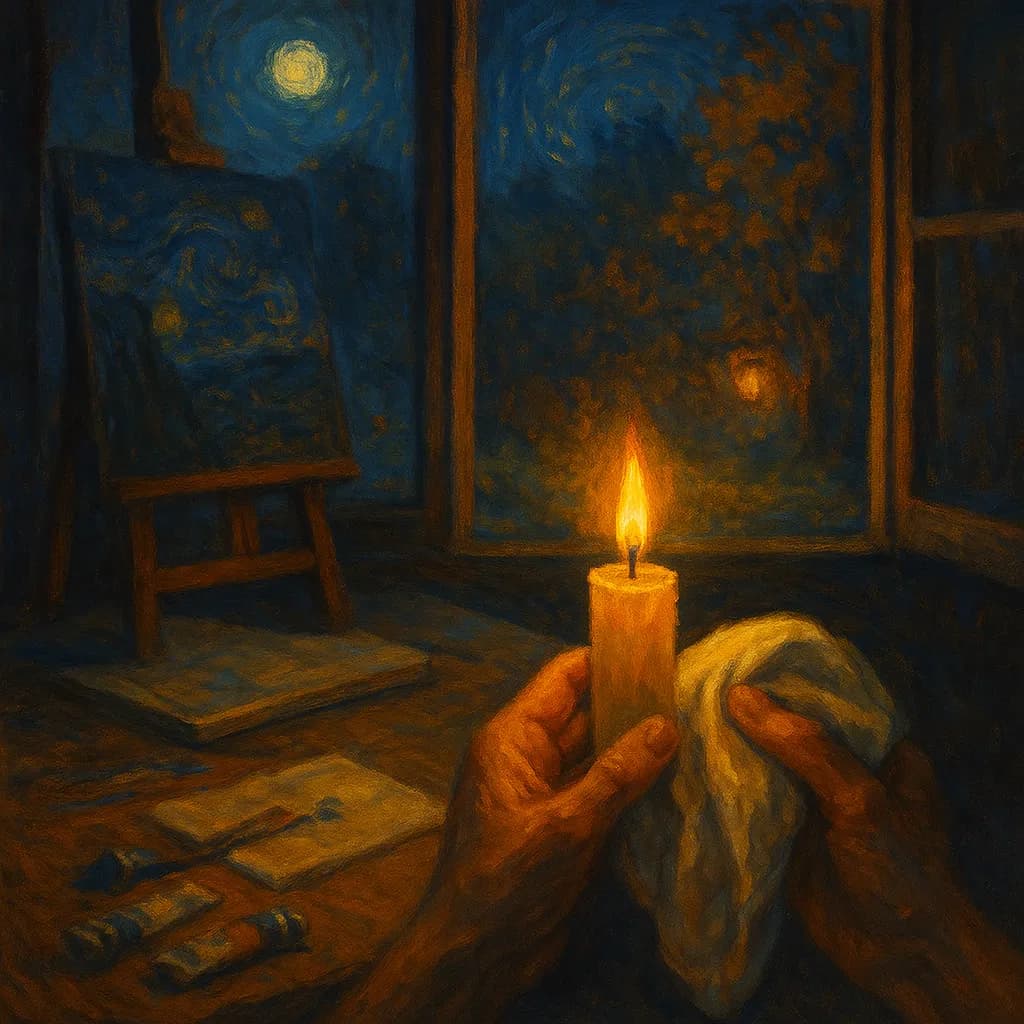
Modern psychology offers a practical lens through the concept of “intolerance of uncertainty,” a tendency associated with anxiety and rumination. Research in cognitive-behavioral traditions often shows that when people demand perfect clarity before acting, they become trapped in reassurance-seeking and overthinking rather than learning. In that light, “starving” certainty can mean interrupting habits that constantly ask, “Am I safe? Am I right? Is this guaranteed?” Then the quote’s second instruction becomes actionable: feed meaning by engaging in values-based behavior even while uncertainty persists. Approaches like Acceptance and Commitment Therapy, popularized by Steven C. Hayes (e.g., *ACT*, 1999), emphasize choosing actions that serve values despite imperfect information—an echo of van Gogh’s invitation to live forward without total proof. [...]
Created on: 1/3/2026

Urgent Tenderness as the Artist’s Discipline
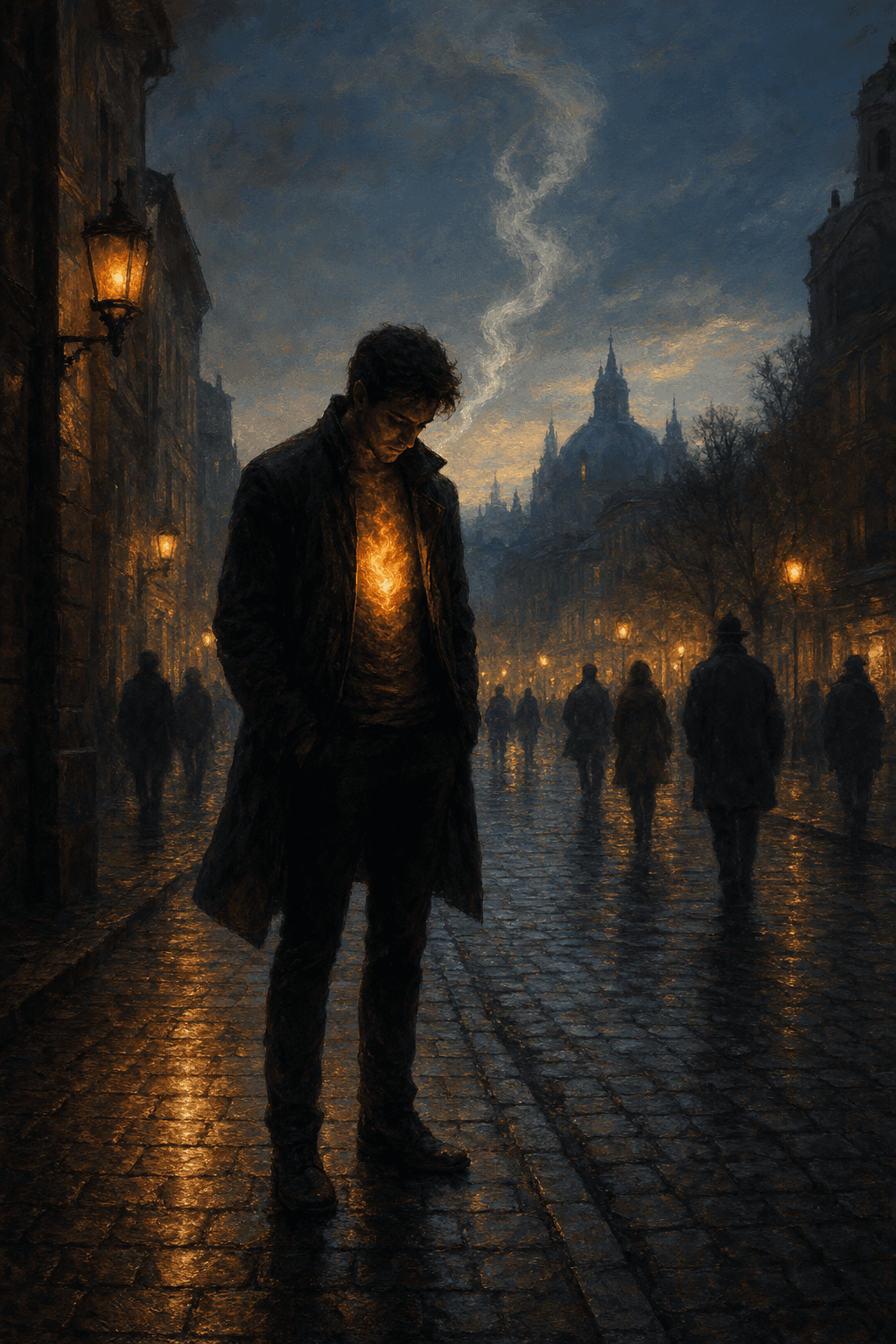
Seen psychologically, “urgency” aligns with activation—dopamine, novelty, and the drive to pursue—while “tenderness” aligns with regulation—self-compassion, patience, and the ability to tolerate imperfection. Modern conversations about burnout echo this pairing: intensity without care consumes the maker, and care without intensity can drift into avoidance. Van Gogh’s phrasing anticipates this by treating creative output as something that must be protected as it is produced. In other words, tenderness is not a break from work; it is part of the work’s survival strategy. With that in place, urgency can stay bright without becoming corrosive. [...]
Created on: 12/15/2025

Living Today in the Colors of Your Future
Moreover, bold colors imply commitment, not tentative sketches. In painting, decisive strokes signal confidence in the composition; similarly, defined goals signal a willingness to be seen and possibly judged. By daring to use bright hues rather than safe, muted tones, we acknowledge that our aspirations matter. This shift from “it would be nice if…” to “this is what I am creating” turns dreams into creative projects, inviting us to refine, adjust, and deepen them as an artist does with each new layer of paint. [...]
Created on: 12/8/2025

Paint the Horizon, Then Climb to Meet It
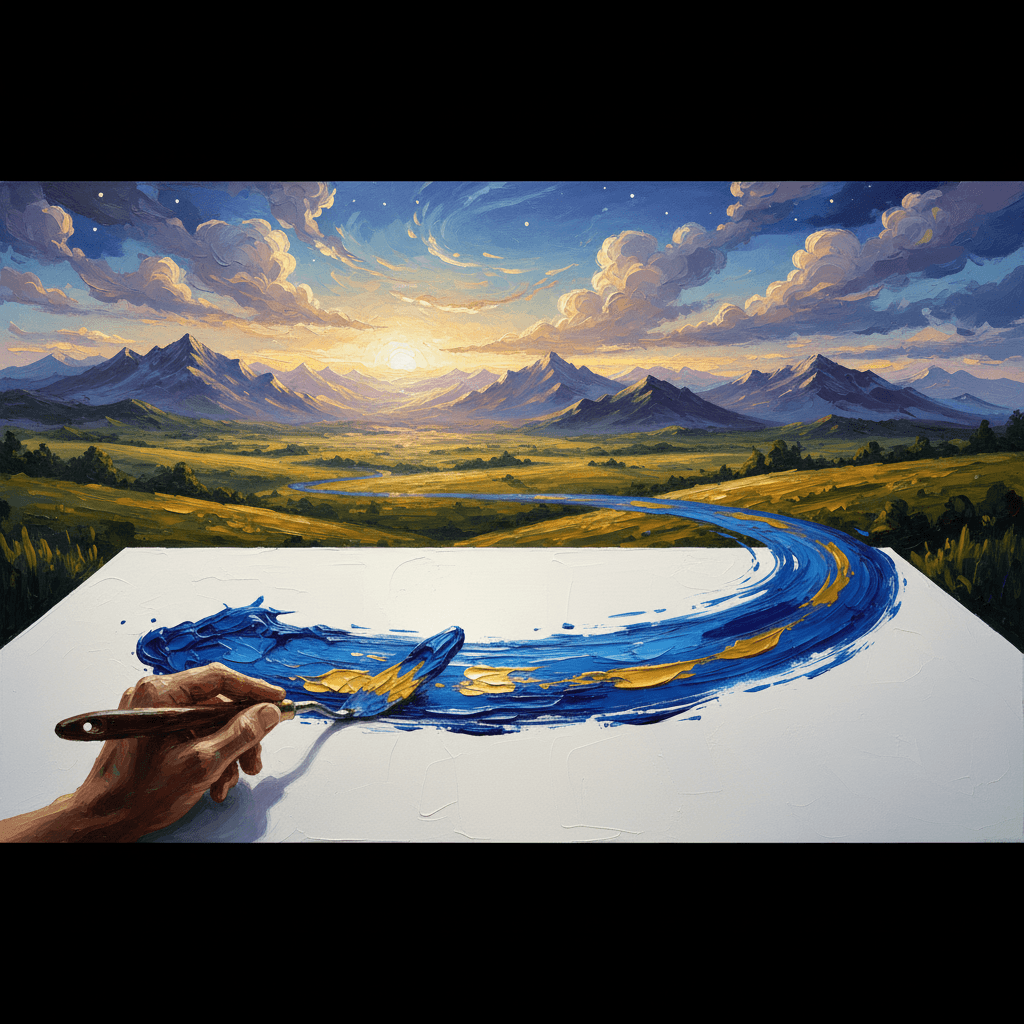
No ascent is linear; storms arrive. Van Gogh painted through illness, poverty, and rejection, turning hardship into texture rather than a verdict (see The Letters of Vincent van Gogh, various years). When conditions shift, shrink the step, not the summit: lighten the pack, shorten the session, keep the rhythm. In this resilience, the skyline remains a promise rather than a pressure—something you approach by showing up, brushstroke by foothold, until vision and effort meet at the crest. [...]
Created on: 11/6/2025

Greatness Built from Small, Steady Steps
Still, Van Gogh doesn’t celebrate smallness for its own sake; he emphasizes “brought together.” That phrase highlights integration: the small parts must connect into a larger design. In creative work, that might mean unifying studies into a final composition; in business, it might mean aligning hiring, product, and customer feedback into one strategy. Consequently, the quote suggests a rhythm: do the small tasks, then periodically step back to arrange them. Great outcomes appear when consistent effort is paired with occasional synthesis—moments where the pieces are evaluated, reordered, and made to serve a single purpose. [...]
Created on: 6/21/2024

Great Things Are Done by a Series of Small Things Brought Together - Vincent Van Gogh
It also points out that collaboration and bringing together various small contributions from different sources can lead to remarkable results. When individual efforts are combined, the collective impact can be significant. [...]
Created on: 6/21/2024