
The Present Moment Is Filled with Joy and Happiness - Thich Nhat Hanh
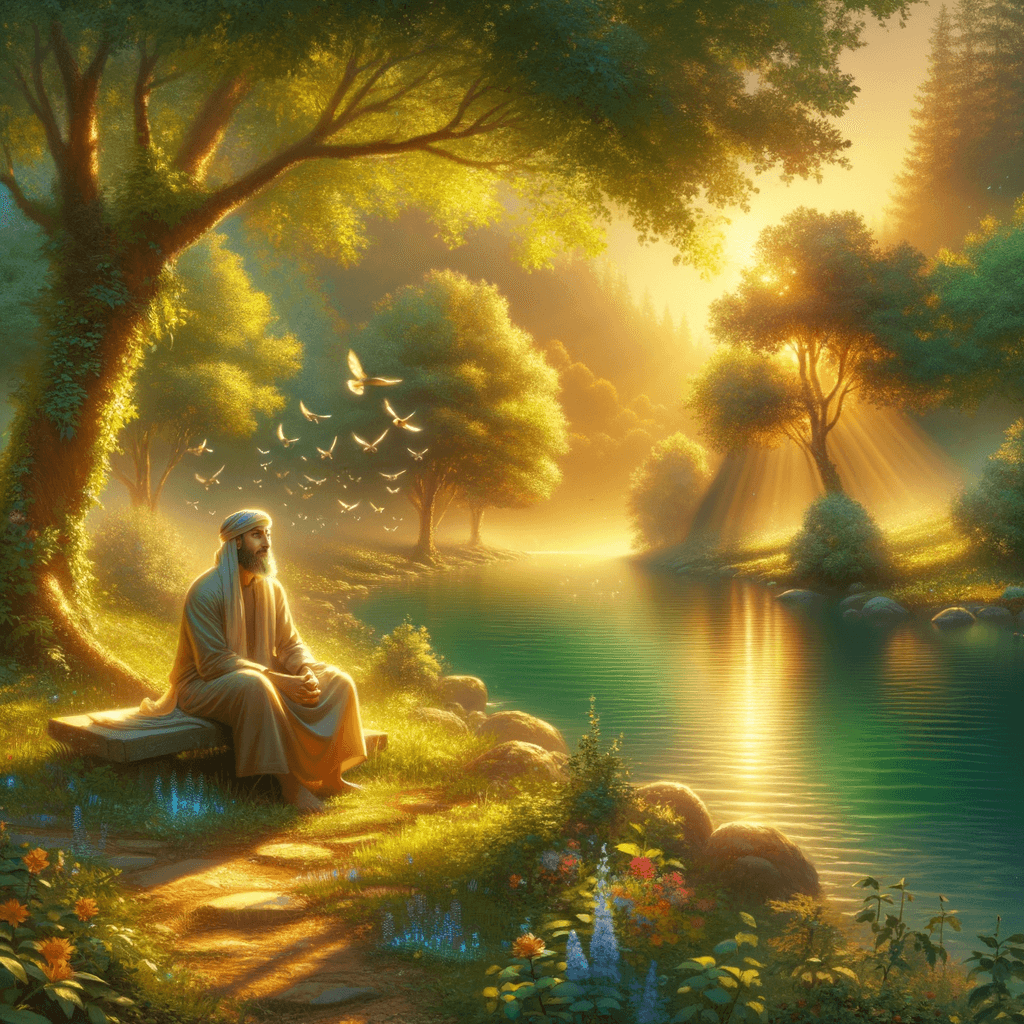
The present moment is filled with joy and happiness. If you are attentive, you will see it. — Thich Nhat Hanh
—What lingers after this line?
Mindfulness and Awareness
This quote suggests that by paying attention, we can observe the joy and happiness already present in the current moment. It encourages mindfulness—being fully aware of the present rather than getting distracted by worries about the past or future.
Power of the Present Moment
The quote emphasizes the significance of living in the now. It reminds us that true peace and happiness are not necessarily found in external circumstances but in how we approach and perceive the present.
Finding Contentment in Simplicity
Thich Nhat Hanh encourages us to find joy in simple, everyday moments. It suggests that happiness is a state of mind that can be fostered through gratitude for and attention to the small pleasures in life.
Attentiveness as a Source of Happiness
The quote highlights the idea that happiness is always available if we actively notice and appreciate it. By cultivating attentiveness, we can discover moments of joy that we might otherwise overlook.
Teachings from Buddhism
As a renowned Buddhist monk, Thich Nhat Hanh’s quote aligns with the principles of Buddhism that stress the importance of mindfulness and presence. His teachings often center around inner peace, mindfulness, and compassion.
Recommended Reading
As an Amazon Associate, we earn from qualifying purchases.
One-minute reflection
Why might this line matter today, not tomorrow?
Related Quotes
6 selectedThe feeling that any task is a nuisance will soon disappear if it is done in mindfulness. — Thich Nhat Hanh
Thich Nhat Hanh
Thich Nhat Hanh begins with an everyday truth: much of our irritation comes not from the task itself, but from the label we attach to it. When we decide something is a nuisance—washing dishes, replying to emails, standin...
Read full interpretation →The present moment is the only time over which we have dominion. — Thich Nhat Hanh
Thich Nhat Hanh
Thich Nhat Hanh’s line begins with a practical insight: our influence is real only where our experience is real. The past survives as memory and interpretation, while the future exists as prediction and fear, but the pre...
Read full interpretation →The most precious gift we can offer others is our presence. — Thich Nhat Hanh
Thich Nhat Hanh
Thich Nhat Hanh’s line reframes generosity: what people most need from us is not another item, favor, or clever solution, but the lived experience of being with them. Presence is “precious” because it cannot be mass-prod...
Read full interpretation →We have to be careful not to spend our lives anticipating the next thing. — Thich Nhat Hanh
Thich Nhat Hanh
Thich Nhat Hanh’s warning points to a quiet but pervasive habit: living in the mental future. Anticipation can feel productive—planning, improving, preparing—but it can also become a way of postponing life itself.
Read full interpretation →We are so obsessed with doing that we have no time and no room left for being. — Thich Nhat Hanh
Thich Nhat Hanh
Thich Nhat Hanh’s remark points to a modern dilemma: busyness can become so normal that it feels virtuous, even when it quietly erodes our inner life. When our days are packed with tasks, notifications, and goals, “doing...
Read full interpretation →The present moment is the only time over which we have dominion. — Thích Nhất Hạnh
Thich Nhat Hanh
This quote stresses the importance of being fully present and aware in the current moment.
Read full interpretation →More From Author
More from Thich Nhat Hanh →We have to be careful not to spend our lives anticipating the next thing. — Thich Nhat Hanh
Thich Nhat Hanh’s warning points to a quiet but pervasive habit: living in the mental future. Anticipation can feel productive—planning, improving, preparing—but it can also become a way of postponing life itself.
Read full interpretation →We are so obsessed with doing that we have no time and no room left for being. — Thich Nhat Hanh
Thich Nhat Hanh’s remark points to a modern dilemma: busyness can become so normal that it feels virtuous, even when it quietly erodes our inner life. When our days are packed with tasks, notifications, and goals, “doing...
Read full interpretation →It is very important that we re-learn the art of resting and relaxing. It allows us to clear our minds. — Thich Nhat Hanh
Thich Nhat Hanh frames resting and relaxing not as luxuries but as arts—skills that can be lost and recovered. In a culture that rewards constant activity, many people come to treat stillness as unproductive or even guil...
Read full interpretation →The feeling that any task is a nuisance will soon disappear if it is done in mindfulness. — Thich Nhat Hanh
Thich Nhat Hanh begins with an everyday truth: much of our irritation comes not from the task itself, but from the label we attach to it. When we decide something is a nuisance—washing dishes, replying to emails, standin...
Read full interpretation →