
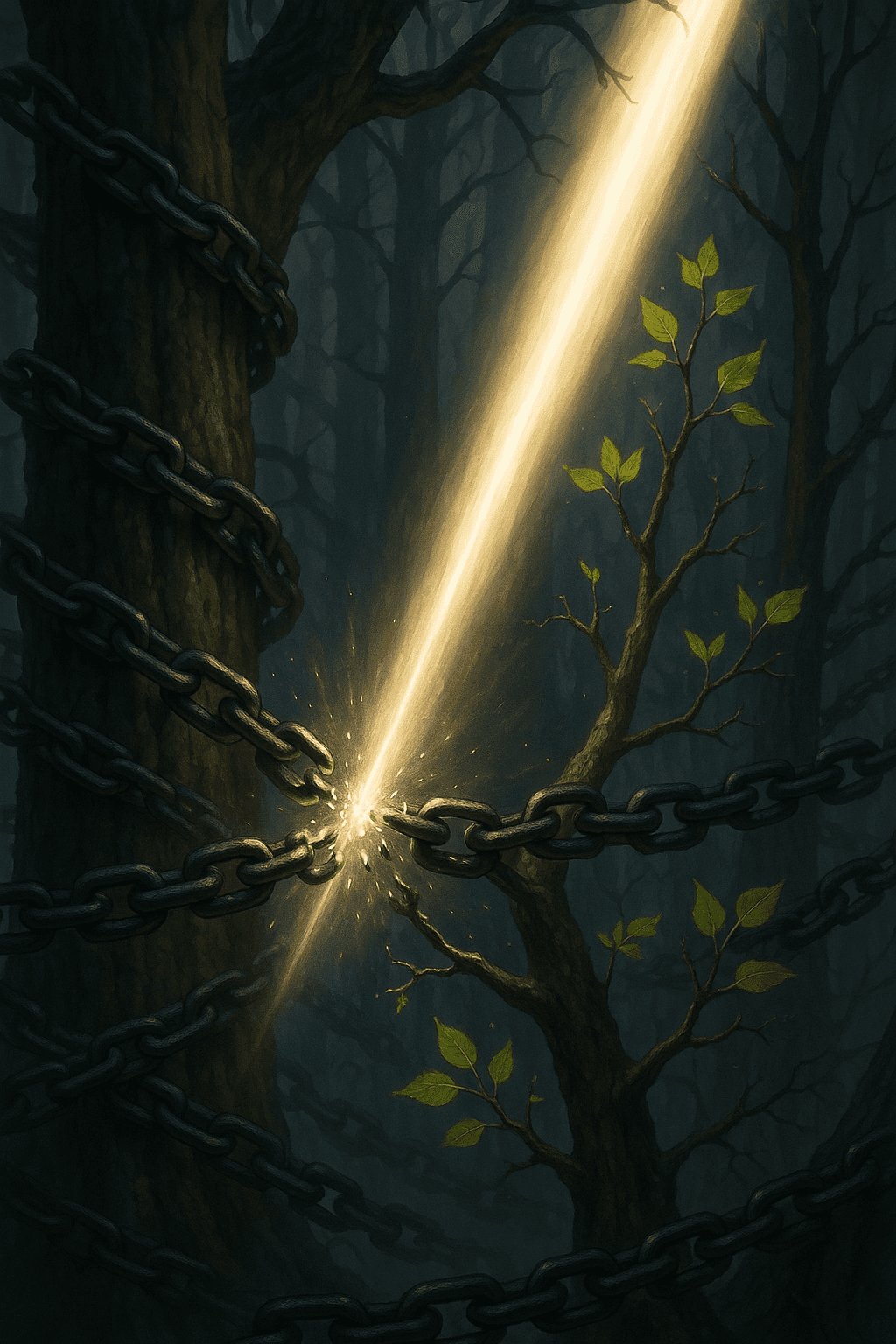
A single act of courage can shatter a thousand chains. — Ai Weiwei
—What lingers after this line?
Defining Courage in a Constrained World
At its core, Ai Weiwei’s statement spotlights the transformative power of individual bravery. In societies bound by oppression or fear, a single act of courage can seem inconsequential. Yet, throughout history, we have seen that even small acts of defiance—whether outspoken words, creative expression, or civil resistance—can break through barriers that once seemed unmovable.
Historical Examples of Courageous Acts
Transitioning from theory to practice, history presents myriad instances where personal bravery changed collective destinies. Rosa Parks’ refusal to surrender her seat in 1955 is emblematic; her quiet defiance ignited the Montgomery Bus Boycott, a pivotal moment in the American Civil Rights Movement. This illustrates how a single courageous gesture can set off a chain reaction, liberating not just oneself but an entire community.
Art and Expression as Acts of Defiance
Building on this, Ai Weiwei’s own life demonstrates how creative expression can serve as an act of courage. His installations, such as ‘Sunflower Seeds’ (2010), challenge political constraints and invite viewers to question authority. Here, artistry is not just aesthetic but an open act of rebellion, showing how the brush, camera, or spoken word can function as powerful tools for liberation.
The Psychological Dynamics of Breaking Chains
Moreover, courage tends to be contagious—a phenomenon psychologists call ‘social modeling.’ When one person breaks free from fear, it emboldens others to do the same. The ‘bystander effect’ can be reversed when individuals witness singular acts of bravery, paving the way for collective action and societal transformation.
The Enduring Legacy of a Single Act
Ultimately, the metaphor of shattering a thousand chains reminds us that the consequences of courage extend far beyond the initial act. Gandhi’s salt march or Malala Yousafzai’s advocacy for education are modern parallels, demonstrating how one person’s resolve can inspire widespread change. Thus, Ai Weiwei’s words serve as a clarion call to recognize—and enact—the liberating force of even the smallest brave deed.
Recommended Reading
As an Amazon Associate, we earn from qualifying purchases.
One-minute reflection
Where does this idea show up in your life right now?
Related Quotes
6 selectedThe thing is to become a master and in your old age to acquire the courage to do what children did when they knew nothing. — Ernest Hemingway
Ernest Hemingway
Hemingway’s remark turns success into a paradox: true mastery is not merely the accumulation of skill, but the recovery of a fearless freedom usually associated with childhood. At first glance, expertise seems to move us...
Read full interpretation →Confidence doesn't mean being fearless. Confidence is knowing you are capable of handling the fear. — Amy Poehler
Amy Poehler
At first glance, people often imagine confidence as a polished kind of fearlessness, as though brave individuals simply do not tremble. Amy Poehler’s quote overturns that myth by suggesting that confidence begins not wit...
Read full interpretation →It takes a lot of courage to show your dreams to someone else. — Erma Bombeck
Erma Bombeck
Erma Bombeck’s insight begins with a simple truth: dreams feel precious because they expose what we most deeply want. To share them is not merely to state a goal, but to reveal hope, insecurity, and the possibility of fa...
Read full interpretation →You do not have to be fearless to be brave. You only need to be present enough to take the next deliberate action. — Pema Chödrön
Pema Chödrön
At first glance, Pema Chödrön’s quote gently overturns a common misconception: that bravery belongs only to people untouched by fear. Instead, she presents courage as something far more accessible.
Read full interpretation →The most radical act of courage is to be truly seen, to step out from behind our carefully curated walls and offer our authentic selves to the world. — Glennon Doyle
Glennon Doyle
Glennon Doyle’s quote reframes courage not as conquest or spectacle, but as the quiet, risky decision to be known. At its core, it suggests that the bravest act is not hiding our flaws behind polished identities, but all...
Read full interpretation →If you want the truth, you must be brave enough to hear it. — Margaret Heffernan
Margaret Heffernan
At first glance, Margaret Heffernan’s remark sounds like a simple call for honesty, yet it reaches further than that. She suggests that truth is not merely something we uncover through intelligence or investigation; rath...
Read full interpretation →More From Author
More from Ai Weiwei →You don't need a formal license to be an artist; you only need the courage to claim your own perspective. — Ai Weiwei
Ai Weiwei’s statement immediately dismantles the idea that artistic legitimacy must be granted by institutions, critics, or official credentials. Instead, he shifts the center of gravity inward: what makes someone an art...
Read full interpretation →If you want to be free, be as you are. Authenticity is the only currency that doesn't lose value. — Ai Weiwei
Ai Weiwei’s statement opens with a striking condition: freedom is not merely granted by laws or institutions, but discovered in the courage to remain fully oneself. In this sense, “be as you are” is less a passive descri...
Read full interpretation →The artist's job is not to succumb to despair, but to find the light in the cracks. Art is the act of bringing your internal world into the light for others to share. — Ai Weiwei
At its core, Ai Weiwei’s statement defines art not as surrender, but as resistance. Despair may be an honest response to injustice, loss, or confusion; however, the artist’s task is to move beyond mere collapse and searc...
Read full interpretation →Speak your work into being and then make it true with your hands — Ai Weiwei
Ai Weiwei’s imperative begins with a vow: say what you will make. Speech, in this view, is not mere description but orientation—a compass that points the body toward work.
Read full interpretation →