
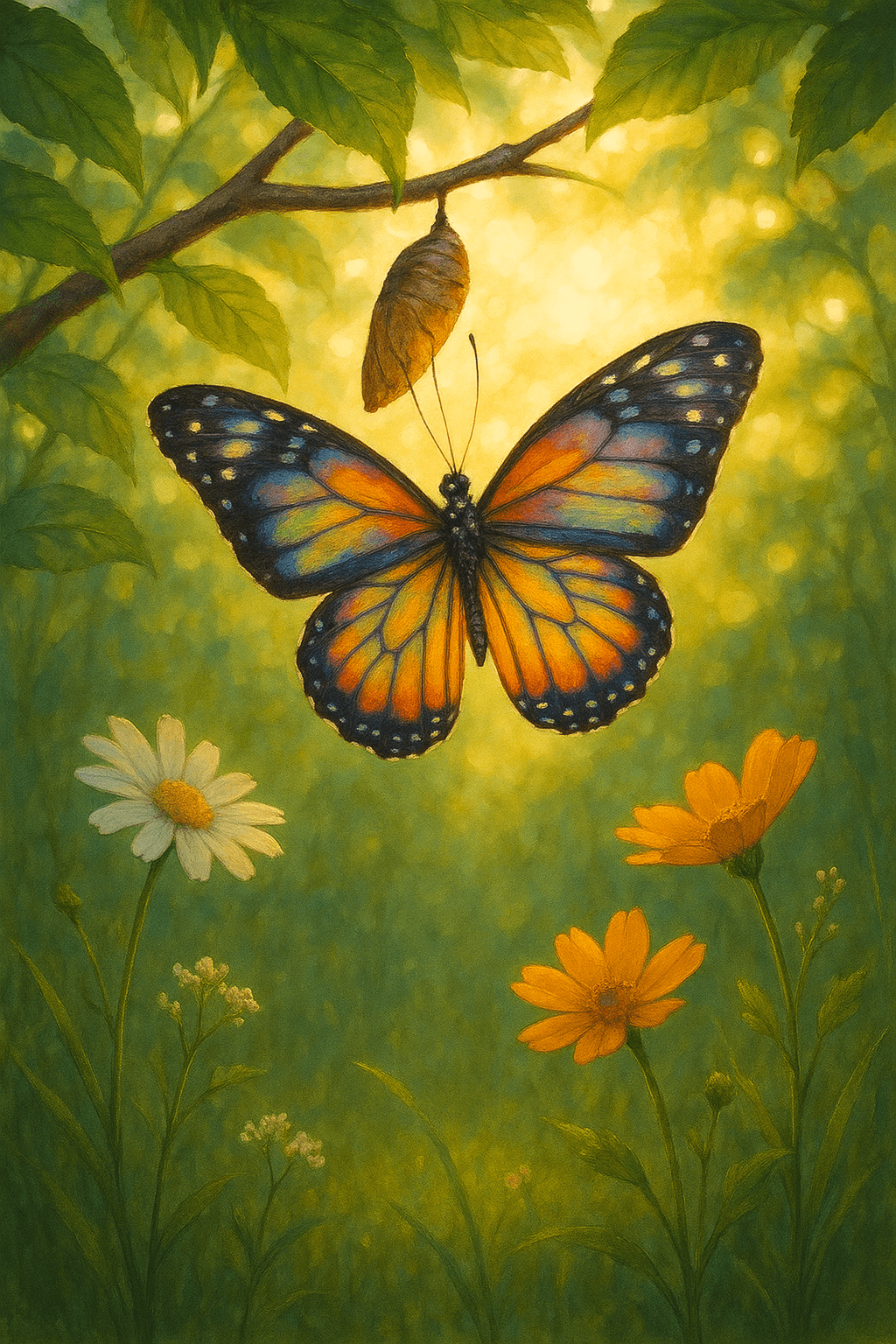
To be beautiful means to be yourself. You don’t need to be accepted by others. You need to accept yourself. — Thich Nhat Hanh
—What lingers after this line?
Definition of Beauty
The quote redefines beauty as authenticity rather than outward appearance or societal approval.
Self-Acceptance
It stresses the importance of accepting and embracing one’s true self as the foundation of beauty.
Independence from External Validation
Suggests that it’s unnecessary to seek acceptance from others to feel beautiful or worthy.
Personal Growth
Encourages self-reflection and inner harmony as means to personal growth and confidence.
Mindfulness Philosophy
Reflects core Buddhist principles of mindfulness, compassion, and inner peace advocated by Thich Nhat Hanh.
One-minute reflection
Why might this line matter today, not tomorrow?
Related Quotes
6 selectedBe who you are and say what you feel, because those who mind don't matter, and those who matter don't mind. — Bernard M. Baruch
Bernard M. Baruch
Baruch’s quote begins with a simple but demanding instruction: be yourself and speak honestly. At its core, the line argues that authenticity is not merely a personality trait but an act of courage, especially in a world...
Read full interpretation →You're born an original—don't die a copy. — John Mason
John Mason
At its core, John Mason’s line is a sharp reminder that every person begins life with a distinct combination of temperament, talent, and perspective. To be “born an original” suggests that individuality is not something...
Read full interpretation →Authenticity is a habit. It is a road we are comfortable with. — Ai Weiwei
Ai Weiwei
At first glance, Ai Weiwei’s statement shifts authenticity away from dramatic self-revelation and toward repetition. By calling it a habit, he suggests that being genuine is not an occasional act of courage but a pattern...
Read full interpretation →It's okay to be a little bit of a mess. Even the moon has phases, and it's still the most beautiful thing in the night sky. — Sanober Khan
Sanober Khan
At its heart, Sanober Khan’s line offers relief from the exhausting pressure to appear composed at all times. By saying it is acceptable to be ‘a little bit of a mess,’ the quote reframes disorder not as failure but as p...
Read full interpretation →The art of living is not about being a finished masterpiece; it is about being a work in progress that still knows how to laugh at its own paint spills. — Anne Lamott
Anne Lamott
At its heart, Anne Lamott’s remark reframes life from a quest for perfection into an ongoing act of creation. Instead of imagining ourselves as polished masterpieces, she invites us to see our days as brushstrokes still...
Read full interpretation →You do not need to be a lighthouse for everyone else; sometimes it is enough to just be a boat. — Anne Lamott
Anne Lamott
Anne Lamott’s line gently dismantles the pressure to be endlessly strong, wise, and guiding for others. A lighthouse stands fixed, visible, and responsible for warning everyone around it; by contrast, a boat simply carri...
Read full interpretation →More From Author
More from Thich Nhat Hanh →You must love in such a way that the person you love feels free. — Thich Nhat Hanh
At its core, Thich Nhat Hanh’s statement redefines love as an act of care that does not confine. To love someone so that they feel free means offering affection without turning it into control, guilt, or dependence.
Read full interpretation →We are not islands; we are threads in a tapestry. To pull away from the weave is to lose the very texture that makes life hold together. — Thich Nhat Hanh
At its core, Thich Nhat Hanh’s image of threads in a tapestry rejects the fantasy of total self-sufficiency. A single thread may exist on its own, yet it gains meaning, strength, and beauty only through its relation to o...
Read full interpretation →When you learn how to suffer, you suffer far less. Resilience is not about avoiding the fire; it is about becoming fireproof. — Thich Nhat Hanh
At first glance, Thich Nhat Hanh’s quote appears paradoxical: how could learning to suffer make suffering lighter? Yet his point is that pain intensifies when we resist it, fear it, or treat it as a personal failure.
Read full interpretation →Slow down, and you will find that the rhythm of your own heart becomes the master of your work. — Thich Nhat Hanh
At first glance, Thich Nhat Hanh’s words seem to offer simple advice about working more slowly, yet they point to something deeper: a different relationship with time itself. To slow down is not merely to reduce speed, b...
Read full interpretation →