
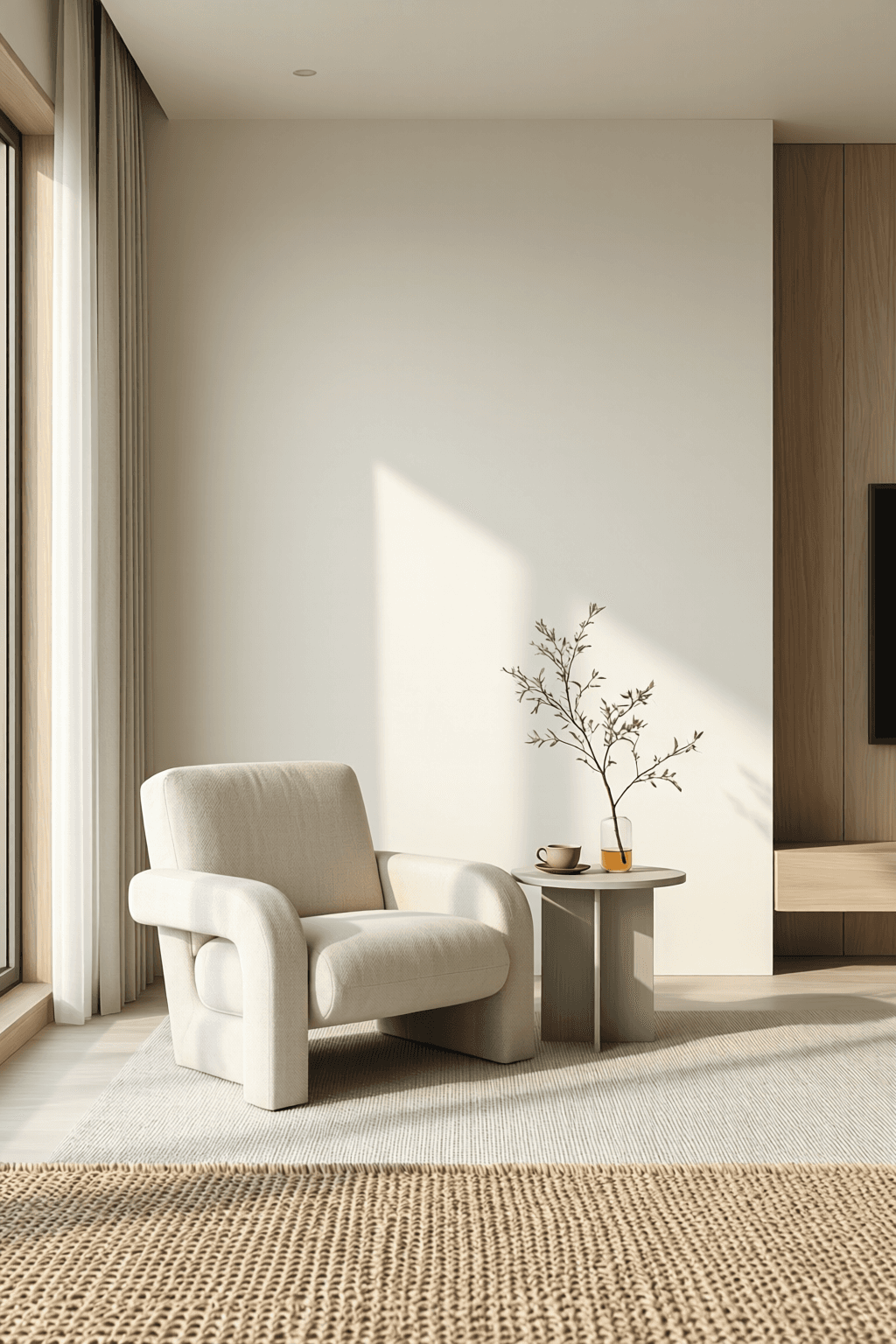
Your home should be the antidote to the chaos of the world. — Elsie de Wolfe
—What lingers after this line?
Home as Deliberate Refuge
Elsie de Wolfe’s statement reframes the home as more than a shelter: it becomes an intentional remedy for the noise, haste, and unpredictability of public life. Rather than mirroring the world’s pressures, a well-made home should absorb and soften them, offering emotional recovery as much as physical protection. In this sense, domestic space becomes a quiet answer to modern strain. From this starting point, the quote also suggests that peace at home is not accidental. De Wolfe, often called one of the first professional interior decorators, argued in works like The House in Good Taste (1913) that beauty, order, and comfort could shape mood and behavior. Her idea implies that the atmosphere we create indoors can restore what the outside world steadily depletes.
Order as Emotional Relief
Building on that idea, the antidote to chaos often begins with order—not sterile perfection, but thoughtful arrangement. A room where objects have purpose and placement can calm the mind because it reduces visual and mental friction. In contrast, clutter tends to echo the very confusion people hope to escape after a demanding day. This connection has been reinforced in modern discussions of environmental psychology, which examine how surroundings affect stress and attention. Although de Wolfe wrote long before the term became common, her intuition was similar: interiors shape feeling. Thus, creating a restful home means editing what overwhelms and preserving what steadies, so that the space itself participates in healing.
Beauty with a Human Scale
Yet de Wolfe’s vision was never simply about tidiness; it was also about beauty that comforts rather than intimidates. She famously moved away from the heavy Victorian interiors of her era, favoring lighter colors, openness, and graceful simplicity. As a result, her philosophy linked elegance with ease, suggesting that refinement should support daily life instead of burdening it. Seen this way, the home becomes restorative because it respects human scale. A favorite chair by a window, soft lighting at dusk, or flowers placed on a table can do more than decorate—they reassure. Such details tell the inhabitant that life need not always feel rushed or abrasive, and that gentleness can be designed into ordinary experience.
A Private Space for Renewal
From there, the quote opens into a psychological truth: people need spaces where vigilance can relax. The outside world often demands performance, speed, and resilience, but home can offer the opposite—privacy, slowness, and permission to be unguarded. In that contrast lies its power as an antidote. Writers across traditions have recognized this restorative function. Gaston Bachelard’s The Poetics of Space (1958), for instance, explores how intimate spaces nurture memory, imagination, and inner life. De Wolfe’s remark aligns with that insight by implying that a home should not merely store possessions; it should protect the self. Consequently, a soothing home becomes a place where identity is repaired and energy is quietly renewed.
Hospitality Without Turmoil
At the same time, a peaceful home does not have to be isolated or cold. In de Wolfe’s spirit, it can welcome others while still preserving calm. Good hospitality is not loud excess; rather, it is the art of making guests feel at ease through warmth, clarity, and thoughtful comfort. A serene room often invites better conversation than a dazzling but exhausting one. This balance matters because the antidote to chaos is not emptiness but harmony. Shared meals, familiar routines, and rooms arranged for connection can transform domestic life into a stabilizing ritual. In that way, the home resists the fragmentation of the outside world by fostering presence, attention, and human closeness.
The Ethical Work of Making Home
Finally, de Wolfe’s quote carries a subtle moral challenge: if the world is chaotic, then making a peaceful home is a meaningful act of care. It is care for oneself, certainly, but also for family, friends, and anyone who crosses the threshold. The home becomes a small but real protest against disorder, coarseness, and fatigue. Therefore, her words endure because they join aesthetics to well-being. A home need not be luxurious to serve this purpose; it needs only to be attentive, restorative, and humane. By shaping domestic life with intention, people create a place that does not repeat the world’s chaos, but instead offers what the world so often withholds—calm, dignity, and rest.
Recommended Reading
As an Amazon Associate, we earn from qualifying purchases.
One-minute reflection
What does this quote ask you to notice today?
Related Quotes
6 selectedThe walls of your home should be a fortress of peace, not a cage of isolation. Claim your sanctuary; it is where your nervous system goes to remember who you are. — Nanea Hoffman
Nanea Hoffman
At its core, Nanea Hoffman’s line reframes home as more than a physical structure. Walls can protect, but they can also confine; the difference lies in whether a home restores the self or slowly disconnects it from the w...
Read full interpretation →One's home should be a place where one can be oneself, a sanctuary from the noise of the world. — William Morris
William Morris
William Morris presents home not merely as a physical shelter, but as a moral and emotional refuge. At the heart of the quote lies a simple human need: the desire for one place where performance ends and authenticity beg...
Read full interpretation →Your home should be a sanctuary that nurtures your soul, ignites your creativity, and inspires you to live your best life. — Nate Berkus
Nate Berkus
At first glance, Nate Berkus’s quote elevates the idea of home beyond walls, furniture, and utility. He frames it instead as a sanctuary—a place that actively restores the spirit rather than merely protecting the body.
Read full interpretation →A crust eaten in peace is better than a banquet partaken in anxiety. — Aesop
Aesop
At first glance, Aesop’s saying contrasts two meals, yet its real subject is the quality of life surrounding them. A dry crust seems poor beside a banquet, but once peace enters the comparison, the values reverse.
Read full interpretation →The work we do with our hands is the best way to keep our hearts from getting restless. — John Steinbeck
John Steinbeck
At its core, Steinbeck’s line proposes that physical work does more than produce useful things: it calms inner turbulence. By keeping the hands occupied, he suggests, the mind is less likely to drift into anxiety, idlene...
Read full interpretation →Stop seeking permission to prioritize your peace; your boundaries are the only line of defense you have. — Pema Chödrön
Pema Chödrön
Pema Chödrön’s statement begins with a striking reversal: instead of waiting for others to approve our need for rest, distance, or refusal, we are asked to grant that permission to ourselves. In this sense, peace is not...
Read full interpretation →More From Author
More from Elsie de Wolfe →