
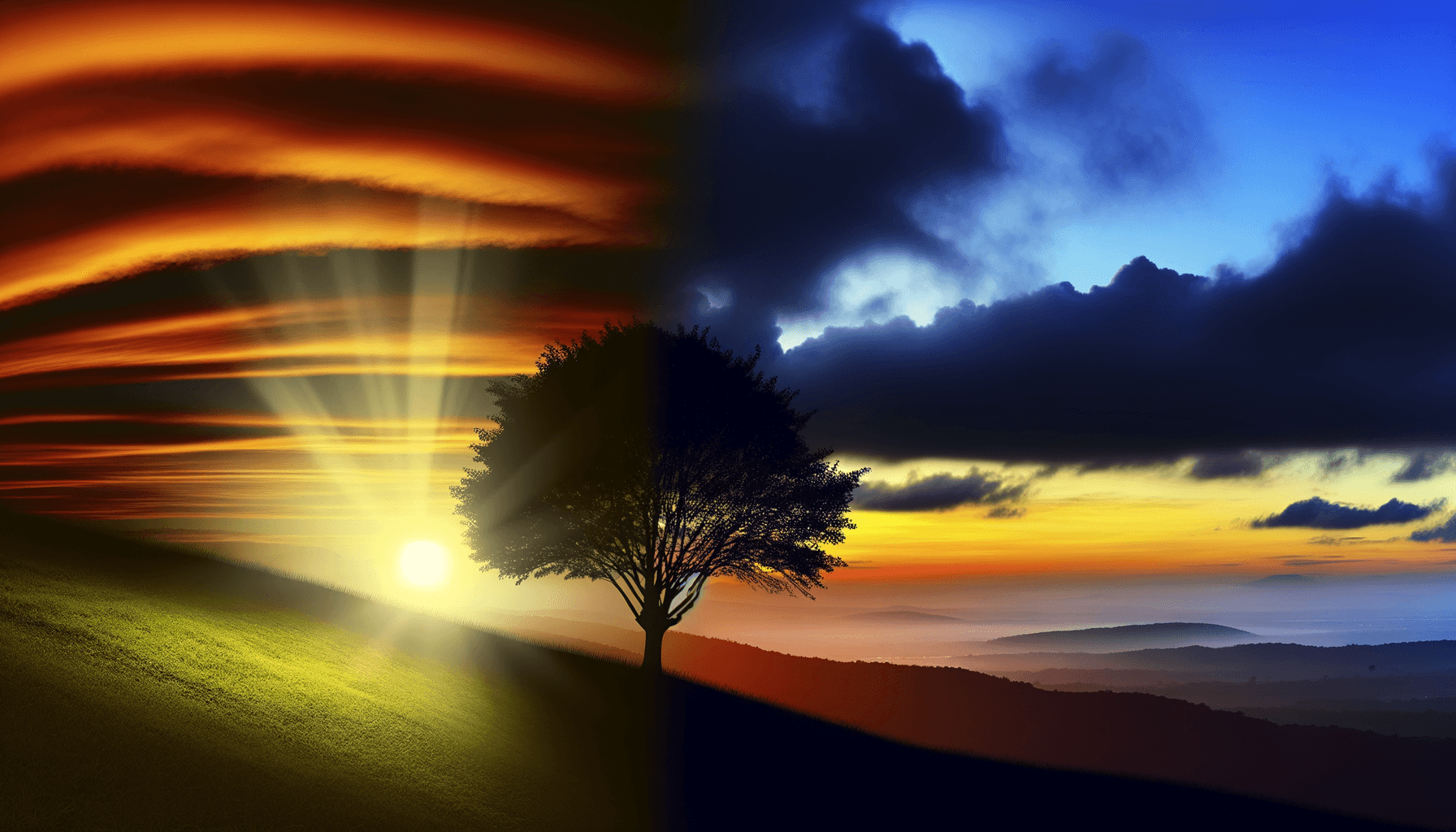
Without great solitude, no serious work is possible. — Pablo Picasso
—What lingers after this line?
Importance of Solitude for Creativity
This quote emphasizes that being alone is essential for deep creative work and innovation.
Focus and Concentration
Solitude allows individuals to focus intensely and avoid distractions, which is necessary for producing significant work.
Self-Reflection
Being alone provides time for artists or thinkers to reflect on their ideas and develop their thoughts more deeply.
Artistic Process
Picasso, as an artist, suggests that masterpieces are often born out of private, solitary moments rather than social environments.
Universal Application
This insight applies beyond art to any field requiring deep intellectual or creative effort, highlighting the universal need for solitude in serious endeavors.
One-minute reflection
Where does this idea show up in your life right now?
Related Quotes
6 selectedStep into the studio of life and sculpt meaning from motion — Pablo Picasso
Pablo Picasso
Picasso’s line begins by relocating creativity from the gallery into daily experience: life itself becomes the studio. In that space, nothing is fully finished or perfectly arranged; instead, each moment arrives like raw...
Read full interpretation →To know what you are going to draw, you have to begin drawing. — Pablo Picasso
Pablo Picasso
This quote highlights the organic and exploratory nature of creativity. It suggests that clarity and direction often emerge through the act of doing rather than planning everything in advance.
Read full interpretation →But many of us seek community solely to escape the fear of being alone. Knowing how to be solitary is central to the art of loving. — bell hooks
bell hooks
Bell hooks begins with a quiet but difficult observation: not every search for community is rooted in love. Sometimes, we reach for others because solitude feels threatening, as though being alone exposes a lack within u...
Read full interpretation →To have passed through life and never experienced solitude is to have never known oneself. — Joseph Krutch
Joseph Krutch
Joseph Krutch’s statement begins with a striking reversal: what many people avoid—solitude—he treats as essential to a meaningful life. In his view, simply moving through the world surrounded by noise, duties, and compan...
Read full interpretation →The painting has a life of its own. I try to let it come through. — Jackson Pollock
Jackson Pollock
At first glance, Jackson Pollock’s remark gives the painting an almost independent existence, as though the canvas carries its own pulse before the artist fully understands it. Rather than describing painting as pure con...
Read full interpretation →The mind needs solitude in the same way a forest needs quiet after a storm. It is not because nothing is happening; it is because that is when everything begins to grow. — Pico Iyer
Pico Iyer
Pico Iyer compares the mind to a forest recovering after a storm, and the image immediately shifts our understanding of solitude. Rather than treating aloneness as emptiness, he presents it as a necessary period of renew...
Read full interpretation →More From Author
More from Pablo Picasso →It is not the language of painters but the language of nature which one should listen to. — Pablo Picasso
At first glance, Picasso’s remark challenges the authority of artistic convention. By contrasting ‘the language of painters’ with ‘the language of nature,’ he suggests that art should not merely imitate established techn...
Read full interpretation →The chief enemy of creativity is good sense. — Pablo Picasso
At first glance, Picasso’s claim sounds like a provocation against reason itself. Yet his point is subtler: ‘good sense’ often means the habits, rules, and social expectations that keep people from taking imaginative ris...
Read full interpretation →The artist is a receptacle for emotions that come from all over the place: from the sky, from the earth, from a scrap of paper, from a passing shape, from a spider's web. — Pablo Picasso
At the heart of Picasso’s remark is a striking redefinition of creativity: the artist is not merely a maker, but a receiver. Rather than inventing emotion from nothing, the artist absorbs impressions that drift in from t...
Read full interpretation →Computers are useless. They can only give you answers. — Pablo Picasso
Pablo Picasso’s jab—“Computers are useless. They can only give you answers.”—is less a literal dismissal than a provocation about what humans value.
Read full interpretation →