
Quote of the day
Patience Turns Living Into a Life Well Tended
One doesn't get to be a master of one's own life by rushing. You have to learn the patience of a gardener who knows the harvest cannot be hurried. — Paulo Coelho
— Paulo Coelho
Interpretation
Read full interpretation →At its core, Paulo Coelho’s reflection challenges a modern obsession with speed. He argues that mastery over one’s life does not come from frantic action or constant acceleration, but from learning when to wait, observe,...
Read full interpretation →
Mastery Begins With Slowness
At its core, Paulo Coelho’s reflection challenges a modern obsession with speed. He argues that mastery over one’s life does not come from frantic action or constant acceleration, but from learning when to wait, observe, and grow deliberately. In this sense, rushing is not a sign of control; rather, it often reveals anxiety, impatience, and a fear of missing out on progress. From there, the quote reframes self-mastery as a disciplined relationship with time. To lead one’s life well, a person must accept that meaningful change rarely happens instantly. Just as character, wisdom, and purpose mature slowly, so too does the life one hopes to shape with intention.
The Gardener as a Model
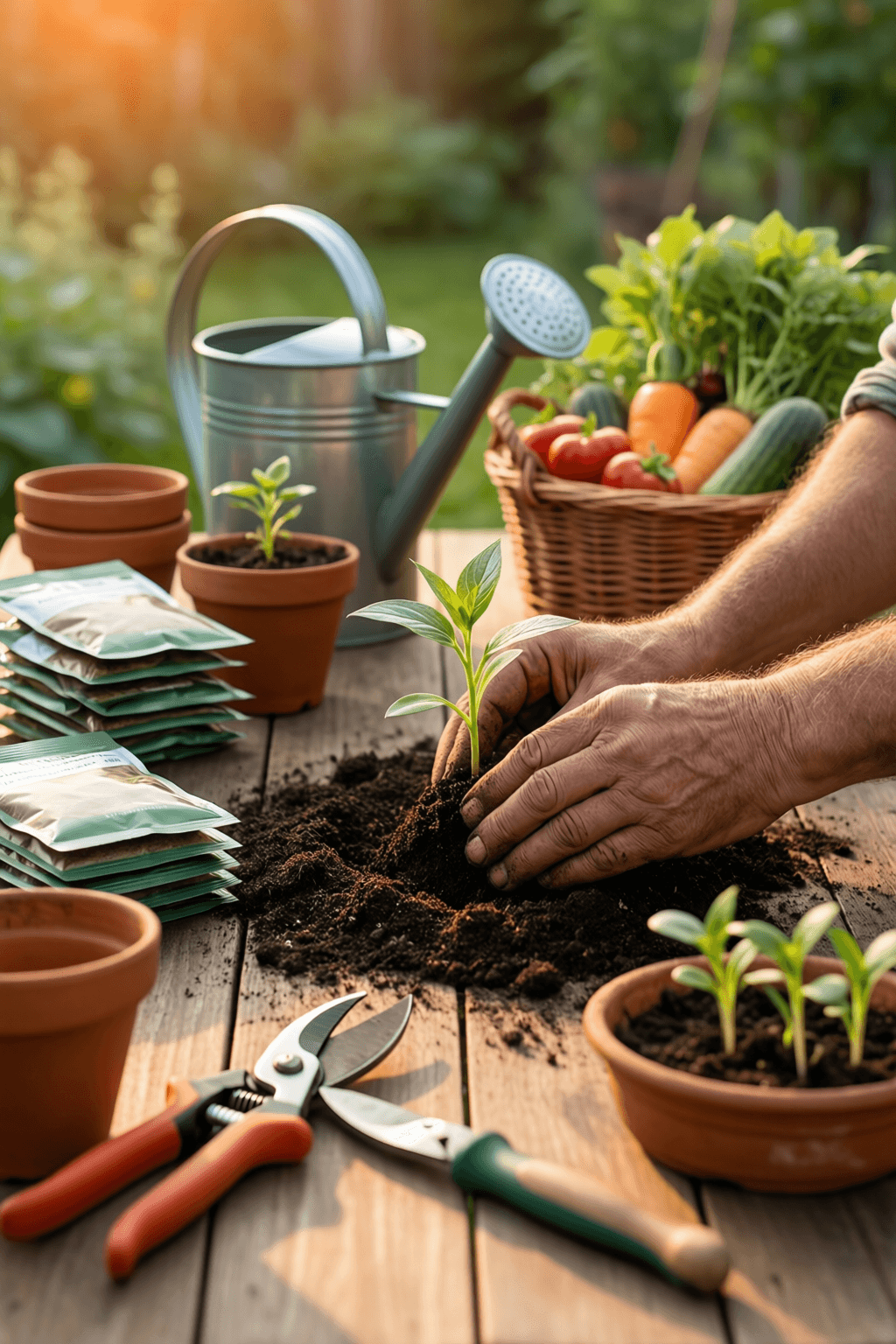
Coelho’s image of the gardener gives the idea its emotional force. A gardener can prepare the soil, choose the seeds, water faithfully, and protect new growth, yet cannot command the plant to bloom ahead of season. This metaphor captures a profound truth: effort matters, but timing also belongs to nature, reality, and processes larger than personal desire. Consequently, the gardener becomes a model for wise living. Instead of demanding immediate results, one learns to work consistently and trust gradual development. Marcus Aurelius’ Meditations (c. 180 AD) similarly urges people to act according to nature, reminding us that ripening has its own order and cannot be forced without damage.
Why Rushing Undermines Growth
Once that metaphor is understood, the warning against haste becomes clearer. Rushing often tempts people into shallow decisions, abandoned commitments, or achievements that look impressive but have weak foundations. A career chosen too quickly, a relationship forced forward, or a personal transformation performed for appearances may all wither because they were pushed before they were ready. In that light, patience is not passivity but protection. A useful parallel appears in Aesop’s fable “The Goose That Laid the Golden Eggs,” where greed for immediate gain destroys future abundance. Coelho’s point is similar: when we hurry the harvest, we risk harming the very life we are trying to cultivate.
Patience as Active Discipline
Still, patience here should not be mistaken for laziness or resignation. The gardener is patient precisely because the gardener is active—tilling, pruning, watering, and returning daily to tasks whose rewards are not yet visible. Likewise, mastery of life requires repeated acts of care: habits, reflection, restraint, and steady effort carried out without instant applause. This is why patience becomes a discipline rather than merely a temperament. James Clear’s Atomic Habits (2018) popularizes a similar lesson by showing how small repeated actions compound over time. Coelho’s wisdom fits neatly with that view: what appears slow on a given day may, in the long run, be the only path to durable transformation.
Trusting Invisible Seasons
Moreover, the quote speaks to periods when nothing seems to be happening. Gardeners understand dormant seasons, hidden roots, and quiet intervals that appear empty but are actually essential to later growth. Human lives also pass through stretches of uncertainty in which learning, healing, or preparation unfolds beneath the surface. Therefore, patience becomes an act of trust. Vincent van Gogh’s letters (1880s) repeatedly reveal an artist enduring long phases of obscurity while continuing to work with faith in eventual flowering. Coelho’s statement honors that same invisible labor, suggesting that not all progress announces itself immediately, even when it is real and necessary.
A Philosophy for Daily Living
Ultimately, Coelho offers more than advice about waiting; he presents a philosophy of how to live responsibly within time. To become the master of one’s own life is to combine intention with humility, labor with surrender, and ambition with an acceptance that growth has rhythms no person fully controls. Such balance frees people from the panic of constant urgency. As a result, the quote leaves us with a practical moral: plant carefully, tend faithfully, and do not confuse delay with failure. The harvest of a meaningful life—wisdom, peace, skill, love, or purpose—arrives most fully not to those who demand it at once, but to those willing to cultivate it season by season.
One-minute reflection
What feeling does this quote bring up for you?