
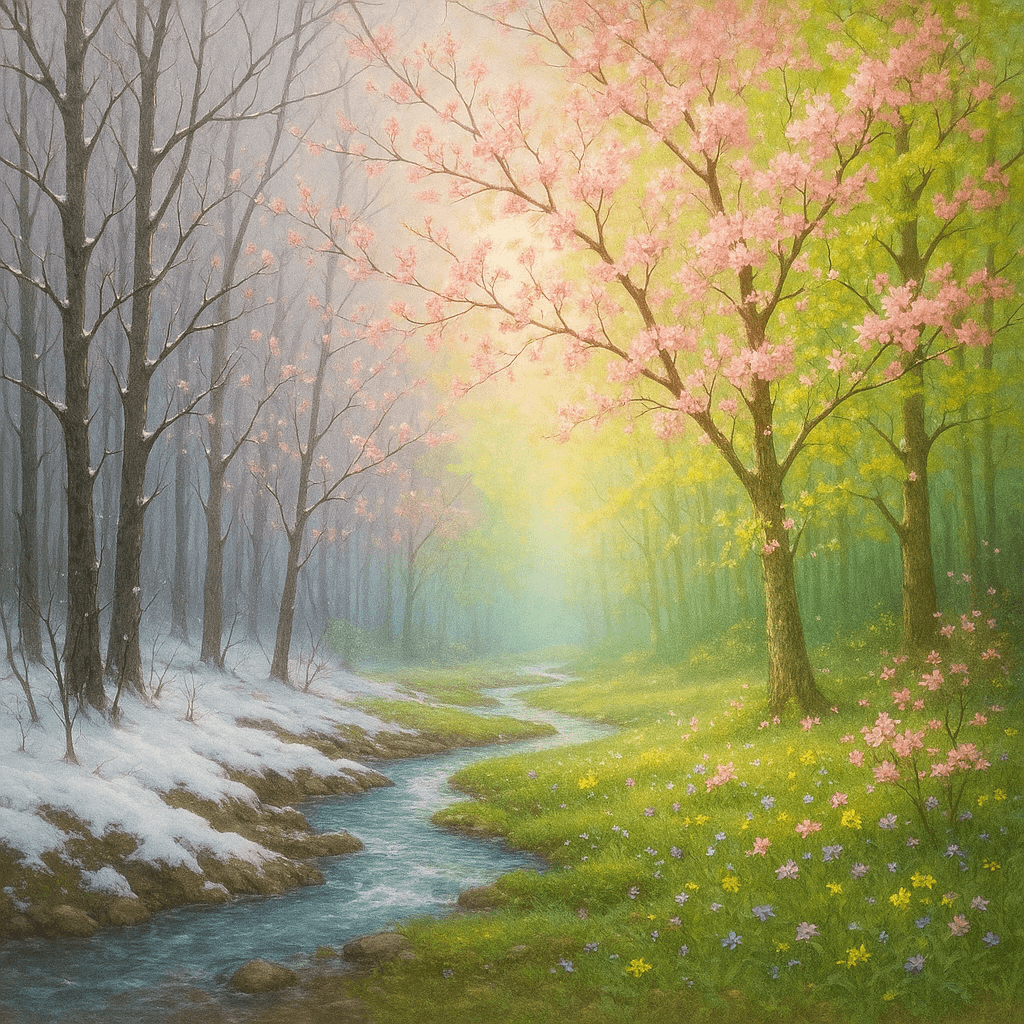
If I create from the heart, nearly everything works; if from the head, almost nothing. — Marc Chagall
—What lingers after this line?
Chagall’s Artistic Philosophy
Marc Chagall’s well-known insight draws a line between intellectual calculation and authentic emotional expression in the creative arts. By asserting that art succeeds when it emerges from the heart, Chagall privileges intuition and feeling over rigid intellect. This echoes through his own surreal and vibrant works, such as the dreamy figures suspended in color, which embody spontaneity rather than premeditated design.
Emotion as the Engine of Creativity
Building on Chagall’s belief, many artists and writers have long argued that emotion fuels meaningful creation. For example, Vincent van Gogh’s letters often detail his urge to paint when overcome by feeling, revealing how passion infuses art with life. When creative works stem from genuine emotion, they resonate on a deeper level, forging connections between artist and audience.
The Limitations of Rationality in Art
Conversely, creating from the head often leads to contrived or sterile results. While technical skill and planning play their part, an overemphasis on intellect can strip a work of its soul. Plato’s dialogues, though philosophical, warn that art divorced from inspiration loses its power to move. Thus, an imbalance tilting too far toward reason can result in art that is technically sound but emotionally hollow.
Historical Examples of Intuitive Genius
This tension between heart and head recurs throughout art history. For instance, the spontaneity of jazz improvisation demonstrates how artists who trust instinct often achieve the most compelling performances. In a similar vein, painter Jackson Pollock’s drip technique relied on intuition, producing masterpieces that critics described as raw and electrifying. Through these examples, we see the triumph of heartfelt creation across genres.
Striking a Harmonious Balance
Nonetheless, complete disregard for intellect can also hinder creative endeavors. Many masters integrate instinctive passion with thoughtful refinement. As Chagall suggests, the heart must lead, but the head can guide. Ultimately, successful creation weaves together emotion and reason, channeling deep feeling into works that are both authentic and skillfully realized.
One-minute reflection
What's one small action this suggests?
Related Quotes
6 selectedThe artist is a sort of emotional athlete who is constantly stretching the limits of what is felt and what can be expressed. — Marina Abramović
Marina Abramović
Marina Abramović’s remark recasts the artist not as a passive dreamer but as a disciplined performer of feeling. Just as an athlete trains muscles through repetition, strain, and recovery, the artist repeatedly enters di...
Read full interpretation →Translate your pain into color and let it teach the world how to feel. — Kahlil Gibran
Kahlil Gibran
Kahlil Gibran, a poet who was also a painter, urges us to convert what wounds us into a visual language that others can feel. In The Prophet (1923), he often translates interior storms into elemental images, and here he...
Read full interpretation →It’s all right to cry when you’re happy. - Naruto Uzumaki
Naruto Uzumaki
At first glance, “It’s all right to cry when you’re happy” feels contradictory, yet Naruto’s line names a common human truth: powerful emotions rarely arrive in neat boxes. Joy often carries traces of relief, awe, and re...
Read full interpretation →Poetry is when an emotion has found its thought and the thought has found words. — Robert Frost
Robert Frost
This quote highlights the poetic process, where emotions first need to be understood through clear thought, and only then can they be expressed through words. It emphasizes the intricate relationship between feelings and...
Read full interpretation →Colors, like features, follow the changes of the emotions. — Pablo Picasso
Pablo Picasso
Pablo Picasso’s statement that “Colors, like features, follow the changes of the emotions” draws attention to the profound relationship between visual art and inner experience. With this observation, he implies that just...
Read full interpretation →Turn memory into motion; what you feel can be sculpted into deeds. — Pablo Neruda
Pablo Neruda
Neruda’s line urges a transformation: not to let memory sit as a static relic, but to let it move the body and shape the world. By pairing “sculpted” with “deeds,” he treats feeling like clay—malleable, resistant, yet ca...
Read full interpretation →More From Author
More from Marc Chagall →Great art picks up where nature ends. — Marc Chagall
At its core, Marc Chagall’s remark suggests that art does not compete with nature but continues its unfinished conversation. Nature gives us raw forms—color, light, movement, emotion—while art reshapes them into meaning.
Read full interpretation →Harmony is one step on the road to freedom. — Marc Chagall
This quote implies that attaining inner or societal harmony is a prerequisite to achieving true freedom. Without peace and balance, freedom remains elusive.
Read full interpretation →Great work is done when one does what one loves. — Marc Chagall
This quote highlights that passion fuels productivity and leads to outstanding achievements.
Read full interpretation →