
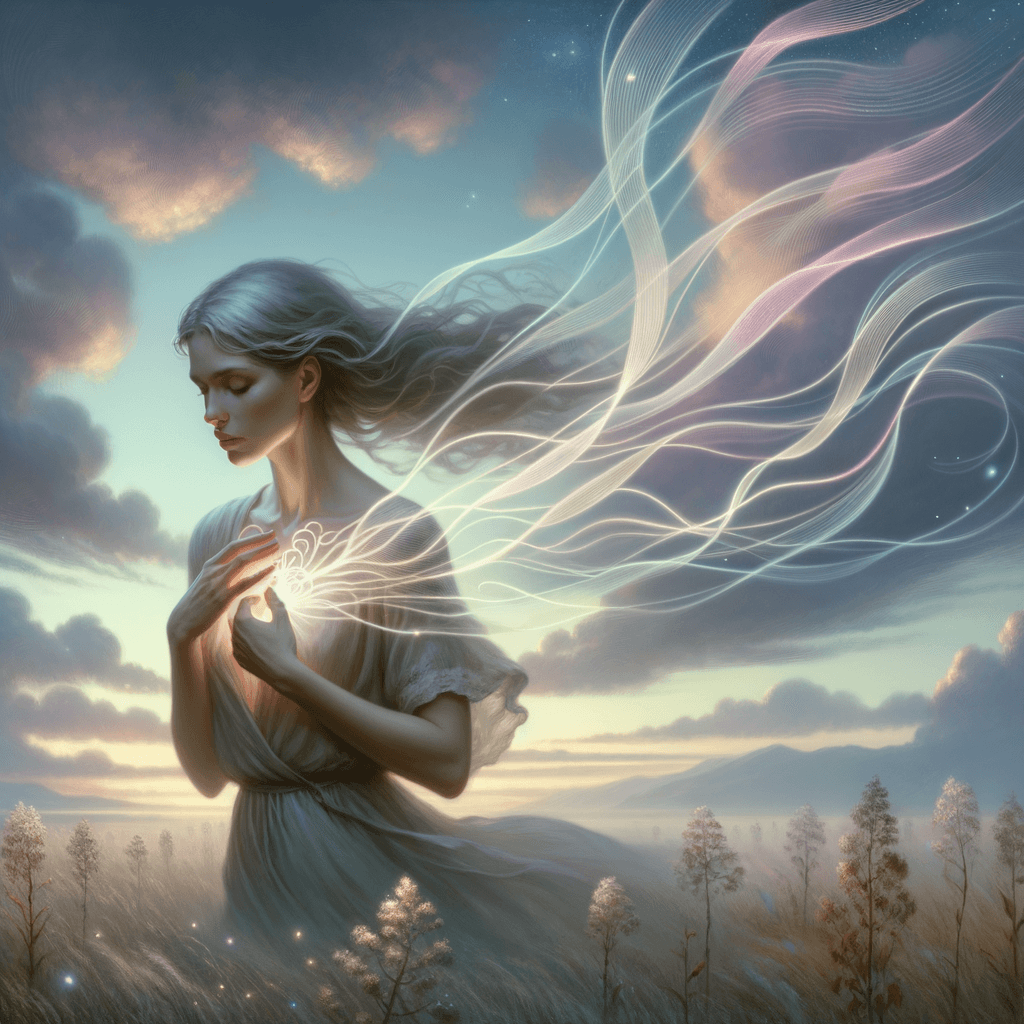
Poetry is when an emotion has found its thought and the thought has found words. — Robert Frost
—What lingers after this line?
Connection Between Emotion and Thought
This quote highlights the poetic process, where emotions first need to be understood through clear thought, and only then can they be expressed through words. It emphasizes the intricate relationship between feelings and intellect.
Expression of Emotions
Frost suggests that poetry is the art of translating deep emotions into tangible forms. Emotions by themselves may be raw and undefined, but poetry gives them structure through language.
Role of Words in Poetry
The quote underscores the importance of words in poetry. It is not enough to feel or think; true poetry involves the mastery of choosing precise words to convey the fusion of thought and emotion.
Craft of Poetry
This statement reflects Frost’s belief in the craft of poetry. Writing a poem is not just about spontaneous expression, but the careful process of giving shape and language to feelings and thoughts.
Artistic Process
The quote highlights the creative process in all forms of art where thoughts and emotions converge into something meaningful. In this case, poetry takes these complex elements and expresses them succinctly through words.
One-minute reflection
What's one small action this suggests?
Related Quotes
6 selectedThe artist is a sort of emotional athlete who is constantly stretching the limits of what is felt and what can be expressed. — Marina Abramović
Marina Abramović
Marina Abramović’s remark recasts the artist not as a passive dreamer but as a disciplined performer of feeling. Just as an athlete trains muscles through repetition, strain, and recovery, the artist repeatedly enters di...
Read full interpretation →Translate your pain into color and let it teach the world how to feel. — Kahlil Gibran
Kahlil Gibran
Kahlil Gibran, a poet who was also a painter, urges us to convert what wounds us into a visual language that others can feel. In The Prophet (1923), he often translates interior storms into elemental images, and here he...
Read full interpretation →It’s all right to cry when you’re happy. - Naruto Uzumaki
Naruto Uzumaki
At first glance, “It’s all right to cry when you’re happy” feels contradictory, yet Naruto’s line names a common human truth: powerful emotions rarely arrive in neat boxes. Joy often carries traces of relief, awe, and re...
Read full interpretation →Colors, like features, follow the changes of the emotions. — Pablo Picasso
Pablo Picasso
Pablo Picasso’s statement that “Colors, like features, follow the changes of the emotions” draws attention to the profound relationship between visual art and inner experience. With this observation, he implies that just...
Read full interpretation →If I create from the heart, nearly everything works; if from the head, almost nothing. — Marc Chagall
Marc Chagall
Marc Chagall’s well-known insight draws a line between intellectual calculation and authentic emotional expression in the creative arts. By asserting that art succeeds when it emerges from the heart, Chagall privileges i...
Read full interpretation →Poetry is an invitation to change; let language move your feet. — Pablo Neruda
Pablo Neruda
Neruda’s claim that poetry is an invitation to change recasts verse as a threshold, not a destination. The second clause—“let language move your feet”—presses the metaphor into the body, urging us from contemplation to m...
Read full interpretation →More From Author
More from Robert Frost →Home is the place where, when you have to go there, they have to take you in. — Robert Frost
At first glance, Robert Frost’s line defines home not by warmth or beauty, but by obligation. In this view, home is the one place where necessity overrides ceremony: if you must arrive, the door must open.
Read full interpretation →The best way out is always through. — Robert Frost
This quote suggests that the most effective way to overcome difficulties is by confronting them directly, rather than avoiding or bypassing them.
Read full interpretation →The woods are lovely, dark and deep, but I have promises to keep, and miles to go before I sleep. — Robert Frost
The 'woods' symbolize a tranquil and beautiful place, which tempts one to rest, pause, or even withdraw from obligations. The 'dark and deep' woods evoke a sense of mystery and allure that can be comforting yet dangerous...
Read full interpretation →To know what you can do, you must first find out what you can't do. — Robert Frost
This quote emphasizes the importance of self-awareness in personal growth. By understanding your limitations, you gain better clarity on your strengths and can make more informed decisions about what you're truly capable...
Read full interpretation →